
Last updated November 16, 2026
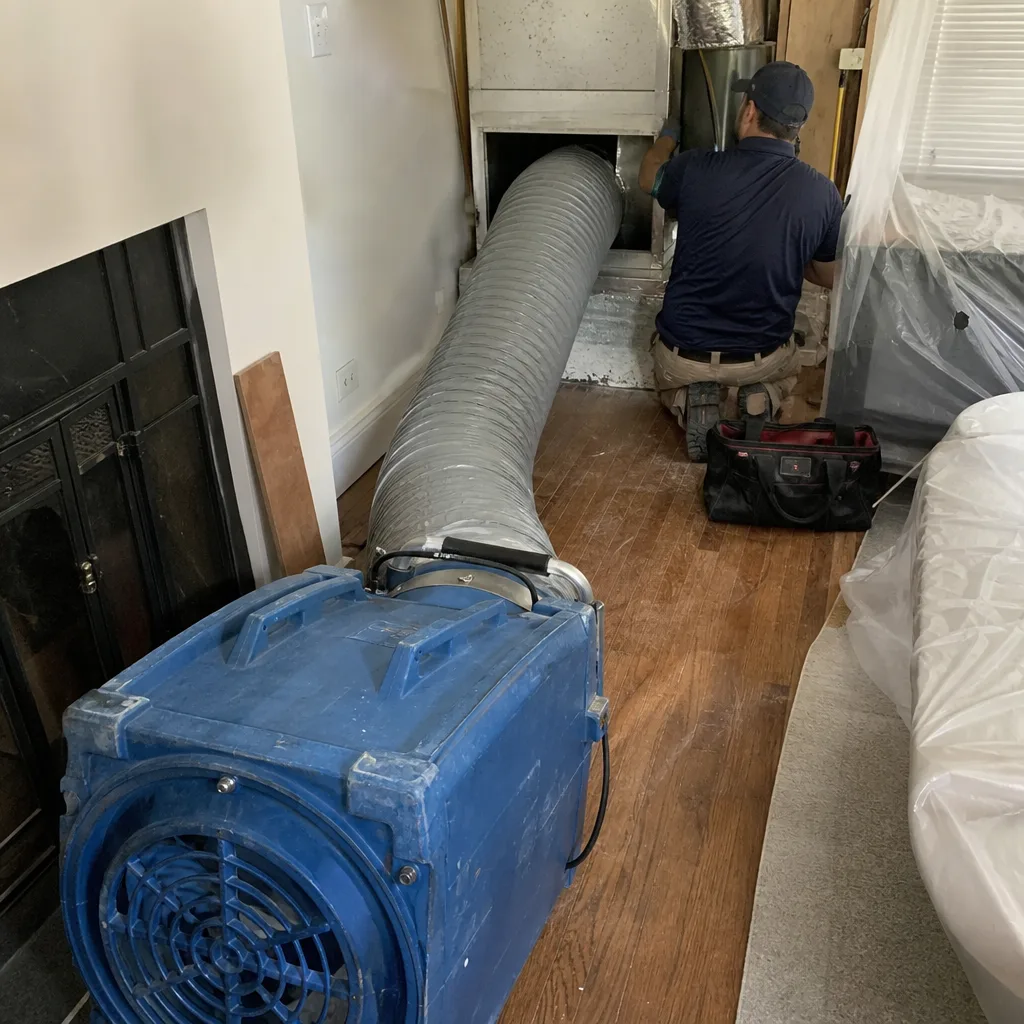
 Whole-home duct cleaning
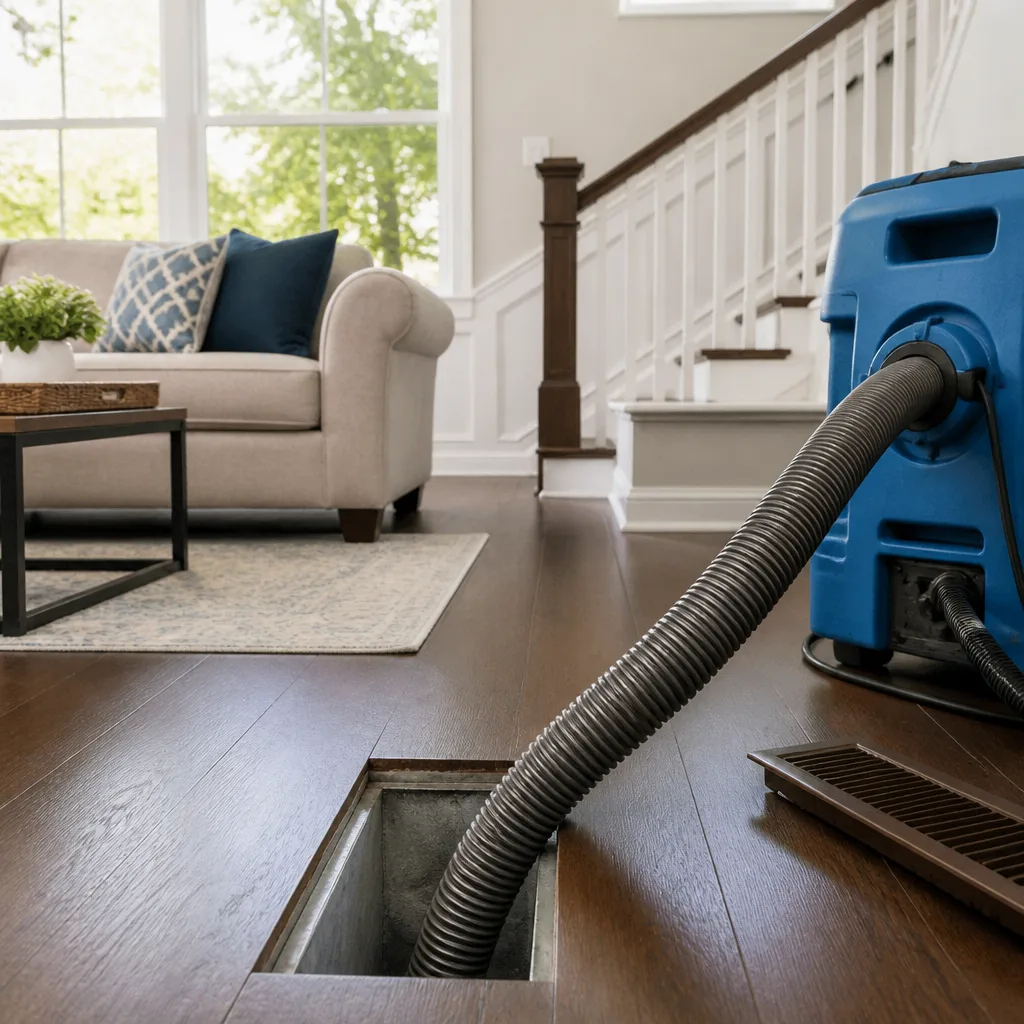
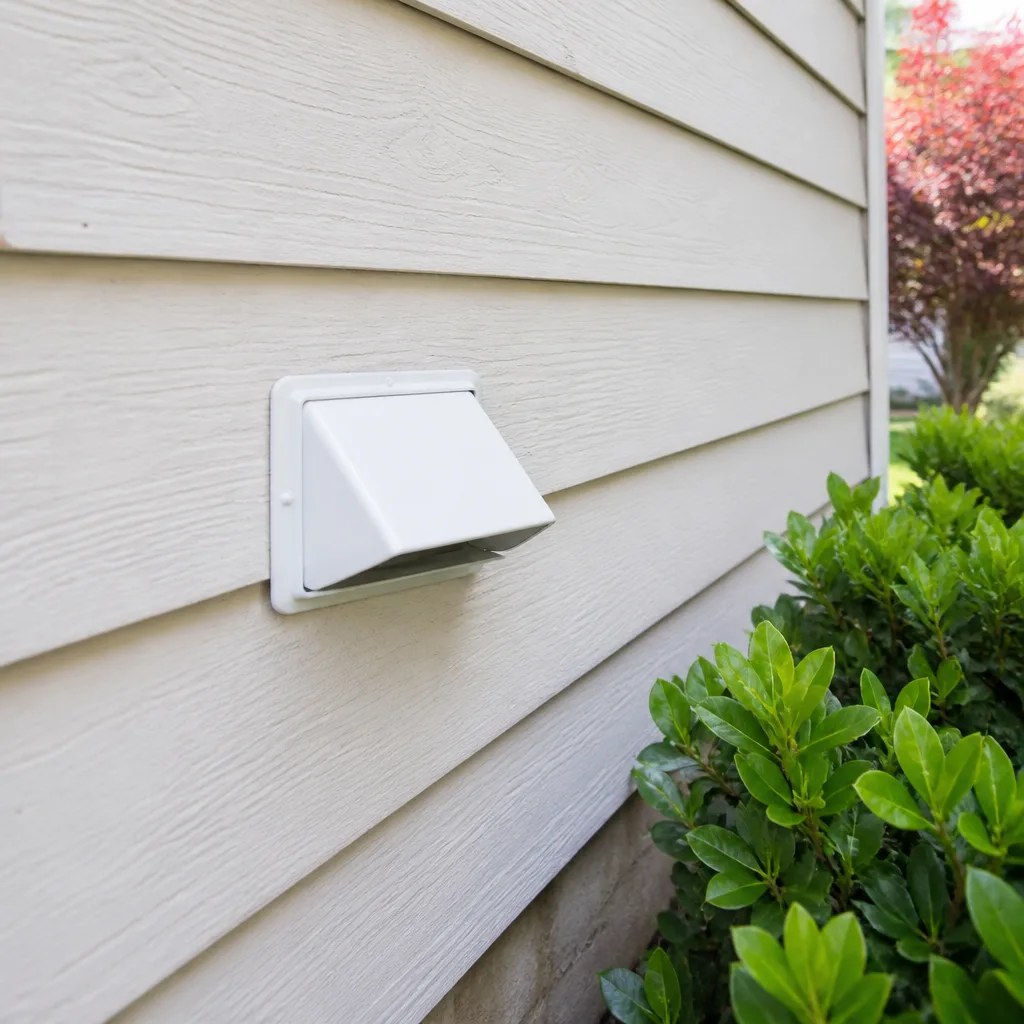 Dryer vent cleaning
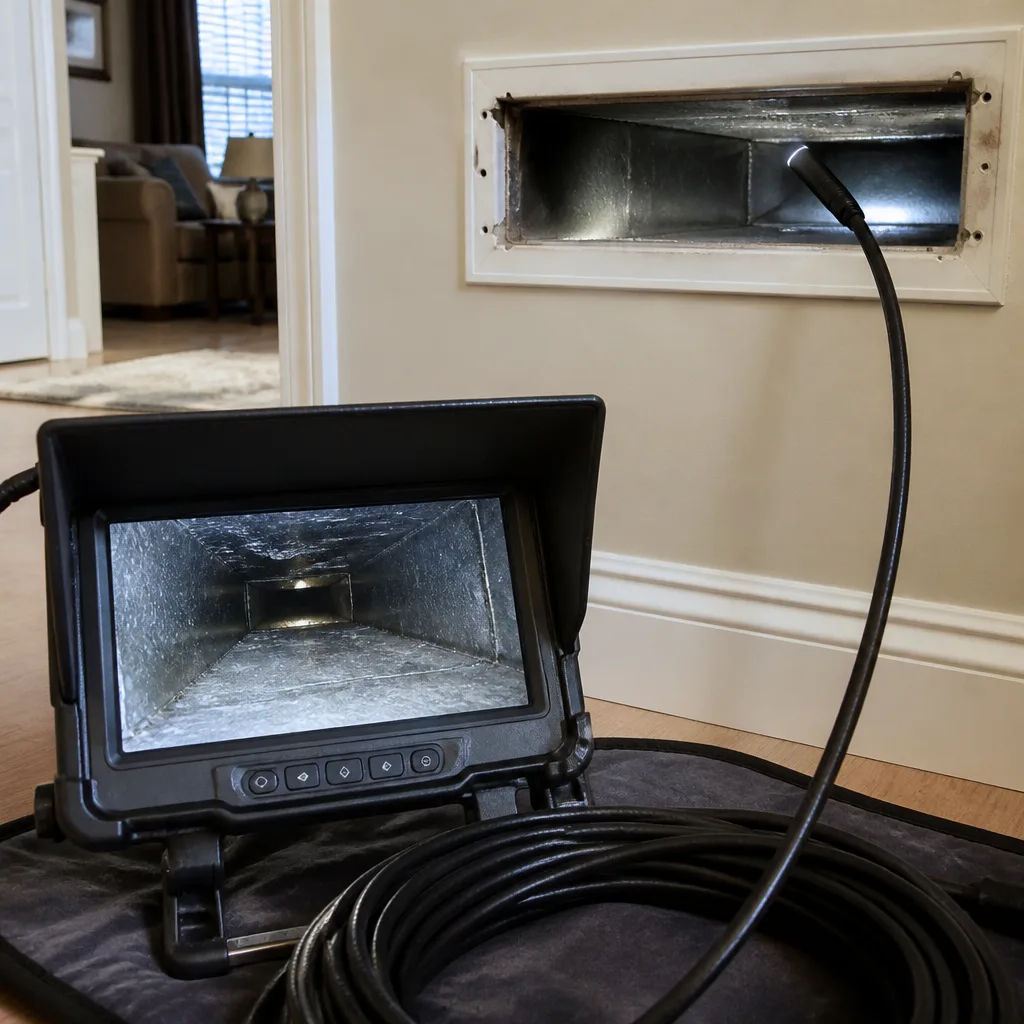 Camera inspection
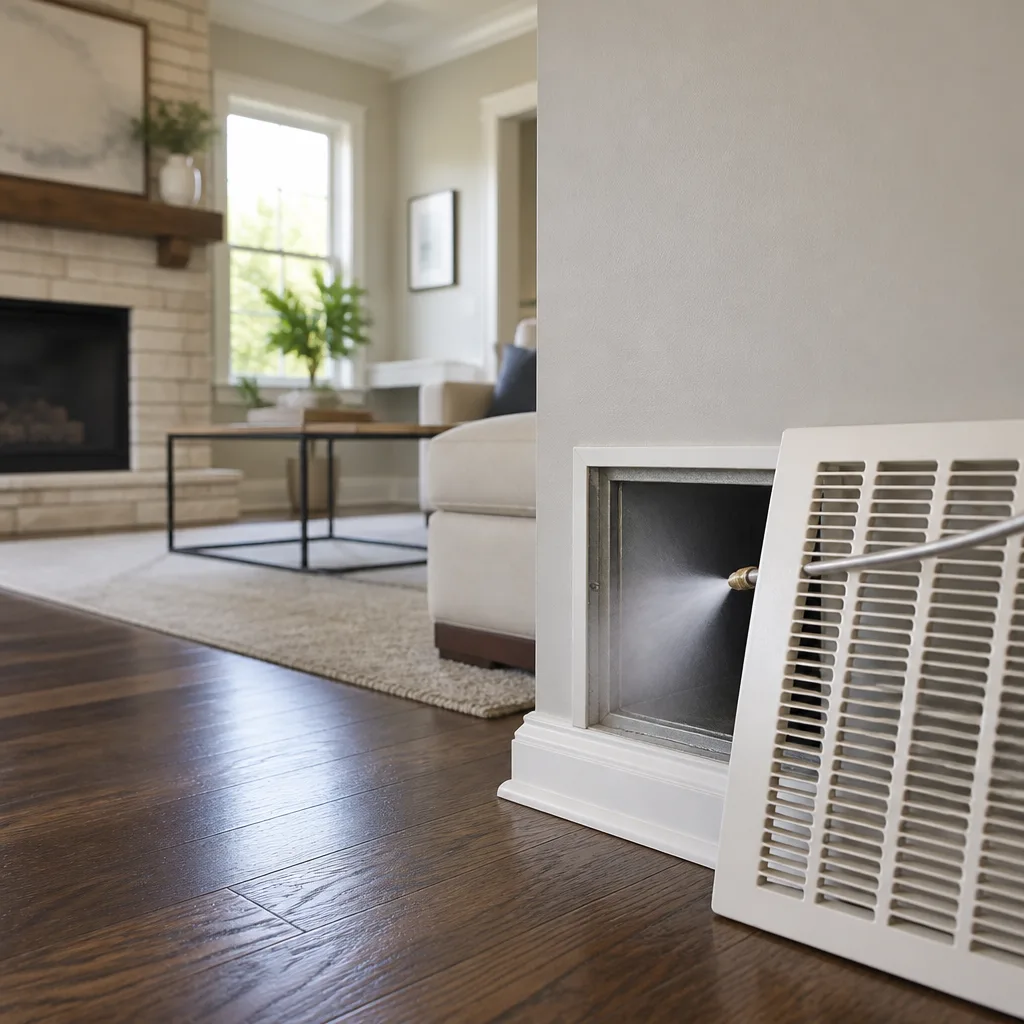 Sanitizing & deodorizing
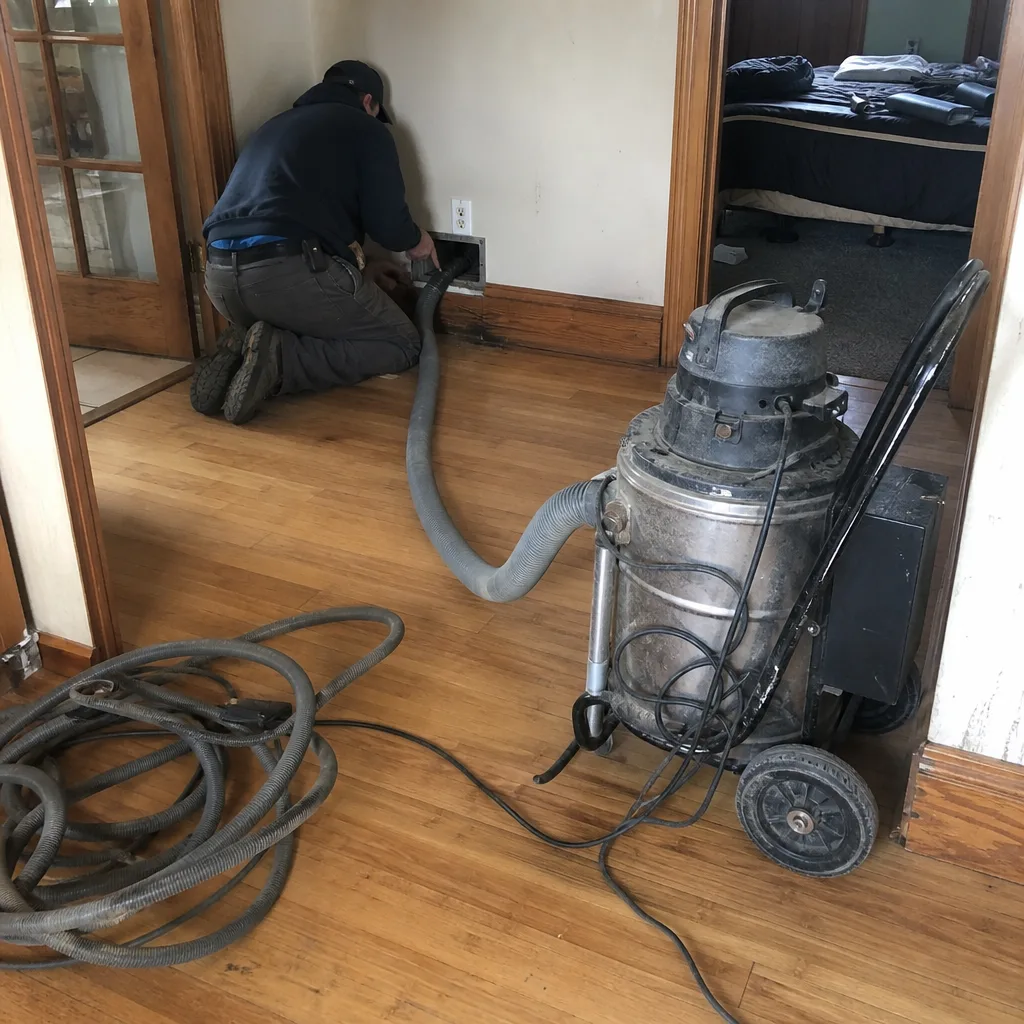
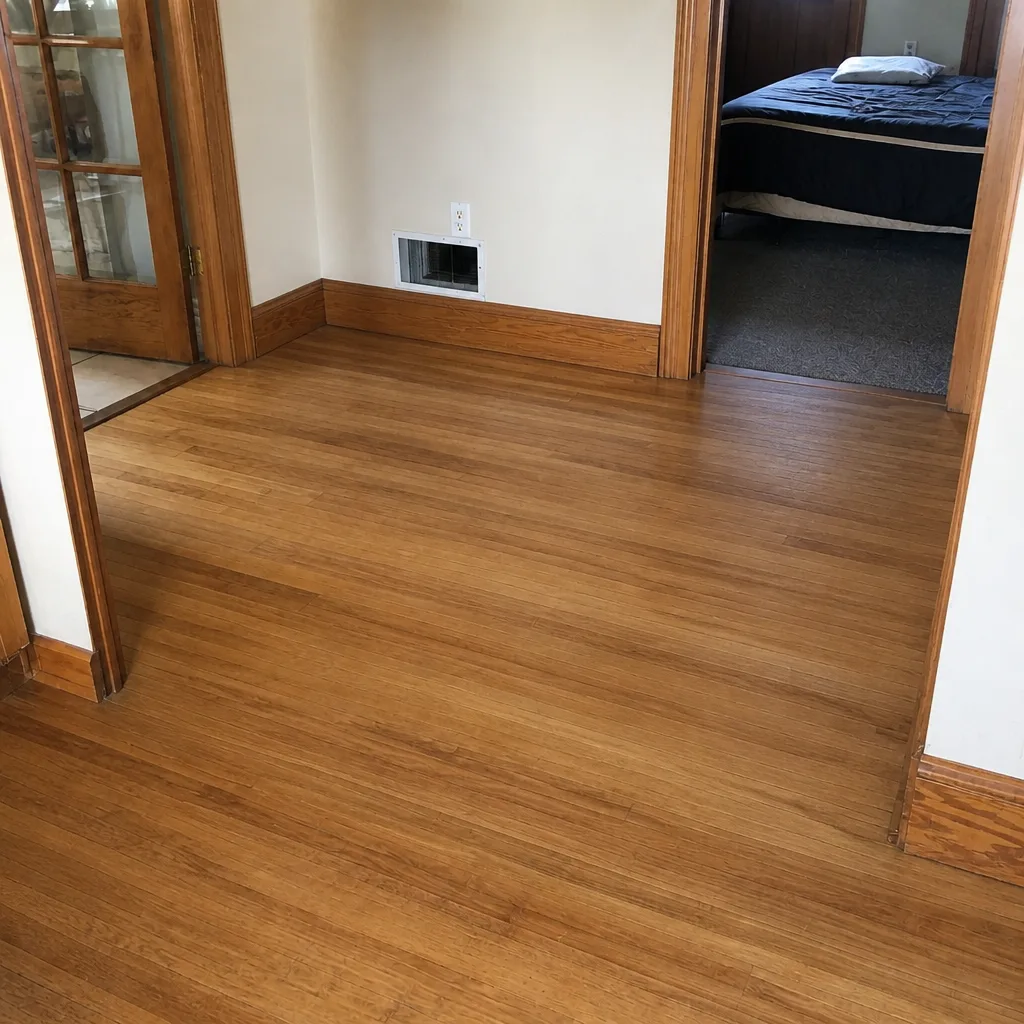
Whole-system duct and dryer vent check with before-and-after photos - you see exactly what came out of your vents
That "$99 whole-house special" is a bait ad - the real number appears once they are in your hallway, or the "clean" is a shop-vac at the register. We photograph the inside of your ducts before and after instead.
Air Duct Cleaning Emergency Preparedness Guide for Providence Homes
Most homeowners think a house fire is over when the trucks leave. It isn’t. Smoke and soot particles smaller than 1 micron can travel the entire duct network within minutes, which means by the time the fire department clears the scene, every room connected to that HVAC system has received a deposit of fine particulate that a standard maintenance cleaning may not fully address. The same is true after a burst pipe or a basement flood: the water recedes, the fans come out, and the ductwork quietly stays wet. This guide walks Providence homeowners through what to do in the first 24 hours after a fire, a flood, or a system failure, and how to keep a recoverable situation from turning into a full system replacement.
Quick Answer
In a duct emergency, the first move is always to shut the HVAC system off, not run it. Keep it off until a technician inspects the ductwork, because running the system pushes soot, moisture, or contaminated debris into every room it serves. Then document everything with photos and records before any cleaning begins, call your insurer, and hire a provider who uses HEPA containment equipment. In Providence, that sequence protects both your indoor air and your insurance claim.
Styles & brands we work with
- Whole-home duct cleaning
- Dryer vent cleaning
- Camera inspection
- Sanitizing & deodorizing
Table of Contents
- Post-Fire Duct Protocol: The First 24 Hours
- Post-Flood Duct Protocol for Providence Homes
- How to Document Duct Damage for Your Insurance Claim
- Emergency Duct Cleaning vs. Routine Maintenance
- Clearance Testing and Why It Matters
- Who to Call, in What Order: Rhode Island Edition
- Building a Duct Emergency Kit Before You Need One
Post-Fire Duct Protocol: The First 24 Hours
When a fire happens, the instinct is to air the house out by running the HVAC system. That is the single worst thing you can do. A running system pulls smoke, soot, and ash into the return ducts and distributes them through every supply register in the house. What was a localized deposit near the kitchen becomes a whole-home contamination event. The soot that settles on walls and furniture can be wiped. The soot that settles inside ductwork can’t be reached without professional contact cleaning.
Here’s the sequence that protects your home:
- Shut the HVAC system off at the thermostat and the breaker. Do not run the fan, the heat, or the air conditioning. Even fan-only mode moves particulate through the system.
- Do not open windows as a first move. Pressure changes from open windows and doors can pull smoke deeper into the duct network. Wait for the fire department’s guidance on ventilation.
- Do not try to vacuum or wipe the ductwork yourself. Consumer vacuums and shop-vacs spread fine soot rather than capturing it. A shop-vac without HEPA filtration releases particles back into the air.
- Photograph everything before cleanup begins. Registers, plenum connections, the furnace filter, any visible soot deposits, and the thermostat model. More on this in the documentation section below.
- Call your insurer and open the claim. Ask specifically whether duct cleaning is covered under your policy and whether they require photographs or an inspection report.
- Schedule a professional inspection. A duct technician who uses negative-pressure equipment can assess the extent of the soot migration and explain what cleaning is required.
Fire residue is not uniform. Protein residue from a kitchen fire leaves an almost invisible film that still carries odor; wood smoke leaves a heavier, oilier deposit; and synthetic materials in modern homes produce fine particulate that can embed in flex duct and never come out. In our experience, ducts that have absorbed synthetic smoke residue often need replacement, not cleaning, and a technician who tells you otherwise before inspecting the duct material is guessing.
Post-Flood Duct Protocol for Providence Homes
A wet duct is not just a wet duct. The category of water that entered matters enormously, and the response differs. Category 1 is clean water from a supply line or rainwater. Category 2 is gray water from a washing machine, dishwasher, or toilet overflow with no solid waste. Category 3 is black water from sewage backup, flooding from outside, or standing water that has been sitting for more than a couple of days. Each category requires a different level of intervention.
- Category 1 (clean water): If ductwork is wet but has not been contaminated, it may be salvageable, but the wet section must be dried within 24 to 48 hours. Anything slower risks mold growth inside the duct, which no amount of cleaning will fully resolve without professional remediation.
- Category 2 (gray water): Cleaning and disinfection of the affected duct sections is required, and porous flex duct in the affected run usually needs replacement. Rigid metal duct may be salvageable after proper cleaning.
- Category 3 (black water): All porous materials that contacted the water, including flex duct, duct board, and insulation, must be removed and replaced. Rigid metal can sometimes be cleaned and disinfected, but only with the right equipment and only after a technician assesses it.
Providence’s older housing stock complicates flood response. Basements in neighborhoods like Federal Hill and the West End are common, and ductwork there often runs low and close to the floor, which means even a modest water intrusion can wet a large portion of the system. Homes in the flood-prone areas near the Woonasquatucket and the Providence River face the same issue with exterior water intrusion. If your basement flooded and your ducts run through it, treat those ducts as Category 3 until a professional confirms otherwise.
Before you run the system to dry things out, stop. Running wet ductwork with the HVAC fan pushes moisture and any contaminants into every room. Use standalone fans and dehumidifiers in the space, not the HVAC system, until the ducts have been assessed. If you’re already scheduling a professional visit, you can combine the flood remediation with a regular air duct cleaning visit once the ducts are confirmed dry and safe to clean.
How to Document Duct Damage for Your Insurance Claim
Insurance claims for duct damage succeed or fail on documentation. Adjusters want proof that the ductwork was affected, how extensive the contamination is, and what the cleaning or replacement costs. If you clean before you document, you’ve destroyed the evidence the claim depends on. This is the most common way homeowners end up paying out of pocket.
Here’s what to capture and keep:
- Photograph every register and grille before touching anything, including soot or water staining around them.
- Photograph the furnace filter in place, then remove and keep it in a sealed bag as physical evidence.
- Photograph the air handler and plenum where the duct system connects to the HVAC unit, since soot and moisture often collect there first.
- Record video as you walk the house, describing the rooms and the visible damage. This gives the adjuster a sense of scope.
- Save the furnace and thermostat model numbers and the system age. Ductwork and HVAC systems are documented by model and year.
- Keep receipts and any written reports from the fire department, water remediation contractor, or restoration company.
- Request a written inspection report from the duct technician. A report that includes photos, a description of findings, and a scope of recommended work is far more useful to an adjuster than a verbal estimate.
In Rhode Island, homeowners’ policies vary on whether they cover duct cleaning after a covered loss. Some policies cover it as part of smoke or water damage mitigation; others treat it as a maintenance item and exclude it. Read your policy language or ask your adjuster directly before you hire. And keep all documentation even after the claim is closed, since some carriers ask for follow-up records if secondary issues (like mold) emerge weeks later.
Emergency Duct Cleaning vs. Routine Maintenance
Routine duct cleaning removes accumulated dust, pet hair, and general debris from a system that is otherwise functioning normally. Emergency duct cleaning after a fire or flood removes a specific, hazardous contaminant from a system that has been compromised. The equipment, the containment requirements, and the resulting cost are different.
Here’s how a professional emergency cleaning typically differs from a standard visit:
- Containment comes first. A proper emergency cleaning starts with HEPA containment to prevent the spread of contaminants into the living space during the cleaning process. Providers that use Abatement Technologies HEPA filtration equipment are set up for this; a provider with a shop-vac is not.
- Negative pressure is standard. The work area is put under negative pressure with equipment like Nikro negative-pressure machines so that any particles dislodged during cleaning are captured, not released back into the house.
- Contact cleaning reaches duct surfaces directly. The Rotobrush contact-cleaning system physically scrubs duct surfaces rather than just blowing air through them. That distinction matters enormously for soot and biofilm that have adhered to the metal.
- Inspection reports are part of the deliverable. A routine cleaning is a service call. An emergency cleaning is a documented remediation, and the report travels with the insurance claim.
- Repair may be needed, not just cleaning. Fire and water both damage duct materials. If flex duct is scorched, kinked, or waterlogged, cleaning isn’t enough. Duct repair and replacement of the affected span is the answer.
In Providence, post-emergency work is also a chance to think about filtration. Once the ducts are clean, adding a filter upgrade from a brand like Honeywell or Aprilaire can help the system handle fine particulate better in the future. That’s a small design change, but it can make a real difference in the months after a fire, when residual odors and fine ash are still working their way out of the house. If you’re not sure whether your situation requires routine or emergency service, the duct cleaning in Providence page lays out the scope of a standard visit so you can compare.
Clearance Testing and Why It Matters
Clearance testing is the step that confirms a remediation actually worked. After emergency duct cleaning, a technician samples the air and duct surfaces to verify that contaminant levels have dropped to normal. Without that step, you’re relying on visual inspection and a nose test, and neither is reliable for fine soot or biological contamination.
Why it matters after an emergency:
- Insurance documentation. Many adjusters will accept a professional cleaning report, but some claims require a post-cleaning verification, especially if the initial damage was severe. Having the test results on file closes the claim cleanly.
- Occupant safety. Households with allergy sufferers, asthma, or young children need verified clearance before reoccupying the space. A visual “looks clean” is not the same as a tested clearance.
- Holding the contractor accountable. A provider who is confident in their work should have no trouble explaining the testing they will perform and how they’ll document it. If clearance testing isn’t part of the conversation, ask why.
- Follow-up baseline. If a secondary issue (like musty odor or unexplained respiratory symptoms) develops weeks later, having a tested baseline from the original remediation tells you whether something new has occurred.
Clearance testing isn’t included with every cleaning, and it shouldn’t be. A routine maintenance cleaning of an otherwise healthy system doesn’t require it. After an emergency, though, it’s the difference between hoping the job is done and knowing it is. Ask the provider to explain their testing method and what documentation they’ll provide. In our experience, homeowners who ask this question end up with clearer, faster insurance outcomes.
Who to Call, in What Order: Rhode Island Edition
The order of calls after a house fire or flood matters more than the calls themselves. Call the wrong party first and you lose leverage; call too many at once and you invite chaos. Here’s a credible sequence for a Providence-area emergency.
- Emergency services for fires, electrical hazards, or active flooding. Nothing else on this list comes first.
- Your utility provider if the flooding or fire has affected gas or electrical service. Do not reenter a home where the fire department hasn’t cleared the utilities.
- Your insurance company to open a claim, get a claim number, and ask what documentation they need. Ask whether they require a specific type of inspection or reporting.
- A water remediation company (for flood events only) if standing water or wet building materials need extraction. Duct cleaning comes after the water is out, not before.
- A board-up or security company if windows or doors were breached, to protect the property from further damage and theft while the claim is being processed.
- A duct cleaning and repair specialist who can inspect the HVAC system, document findings, and perform the cleaning or repair in a way that satisfies the insurer.
- A mold or environmental specialist, only if the remediation uncovers a fungal issue beyond what duct cleaning can address. This is a specialist referral, not the first call.
Hiring the first contractor who knocks on your door after a disaster is the most expensive mistake homeowners make. Post-disaster door-knockers are often subcontractors with no local accountability, and they tend to price the job in the moment rather than scope it to the actual work required. In Providence, ask three questions before hiring anyone: Are you licensed and insured for this work in Rhode Island? Can you provide a written scope with a fixed price before starting? Can you explain the testing and documentation you’ll provide for my insurer? If any answer is vague, walk away.
On the duct side specifically, the right provider is the one who can see the whole system. That means inspecting ductwork for damage and not just cleaning it, offering dryer vent safety as part of the same visit if applicable, and being able to explain filtration options from brands like Honeywell or Aprilaire after the cleaning. The Providence service overview walks through how these pieces fit together, and our team is happy to explain the same sequence over the phone if it’s easier to talk it through. You can also read about dryer vent cleaning if the emergency involved a laundry area, since lint that fed a fire needs to be cleared completely before the dryer is used again.
Building a Duct Emergency Kit Before You Need One
Most people don’t think about ductwork until something goes wrong. A small kit and a written plan change that. None of this is expensive, and all of it pays back the first time you need it.
Keep the following on hand:
- A written HVAC system record: model numbers for the furnace, air handler, and thermostat, plus the installation date if you have it. Store a photo of the labels on your phone.
- Photos of your current ductwork condition: registers, return grilles, and the air handler area. These serve as your baseline if you ever need to file a claim.
- Your insurance policy number and carrier contact, saved in your phone and in a shared document with family members.
- A printed shutdown checklist with the location of the HVAC breaker and the thermostat, so anyone in the household can shut the system off in a hurry.
- N95 respirators and nitrile gloves for short-term entry after smoke or water damage. These are for stepping in and out safely, not for cleanup.
- A list of three to five trusted service providers: your utility company, an insurance agent, a water remediation company, and a duct cleaning and repair specialist. Reviewed once a year.
Older Providence homes often have ductwork that hasn’t been touched in decades. If you’ve bought a home in neighborhoods like Mount Pleasant, Elmwood, or Olneyville and haven’t had the system inspected since you moved in, a baseline inspection before an emergency is a worthwhile investment. It won’t prevent a fire or a burst pipe, but it will tell you what shape your ductwork is in now, which makes any future claim or mitigation easier to scope. The team at Duct Cleaning Providence uses professional-grade equipment including Rotobrush contact cleaning systems and Nikro negative-pressure machines on every job, so an inspection from us also tells you what emergency cleaning would actually involve if you ever needed it.
Common Mistakes to Avoid
- Running the HVAC system to “clear the smell.” This is the biggest mistake after a fire. Running the system pushes soot deeper into the duct network and into every room. Shut it off and call a professional.
- Cleaning before documenting. Homeowners who clean up before photographing the ductwork and furnace filter frequently lose their insurance claim. Document first, clean second.
- Using a shop-vac or consumer vacuum on ductwork. A standard shop-vac captures large debris but releases fine particles back into the room. Without HEPA filtration and negative pressure, you’re moving contamination around, not removing it.
- Assuming flex duct can always be cleaned. Porous flex duct that has absorbed smoke or Category 2/3 water often needs replacement, not cleaning. Insist on an inspection that identifies the duct material before agreeing to the scope of work.
- Hiring the first door-knocker after a disaster. In Providence, post-disaster door-knockers are often out-of-state subcontractors. Ask for local references, a written scope, and proof of insurance before you sign anything.
- Skipping clearance testing. A visual inspection is not a clearance. If you have allergy or asthma sufferers in the home, insist on post-cleaning verification before reoccupying the space.
- Ignoring the dryer vent in a house fire. If the fire happened near the laundry area, the dryer vent duct is part of the affected system. Have it inspected and cleared before the dryer is used again.
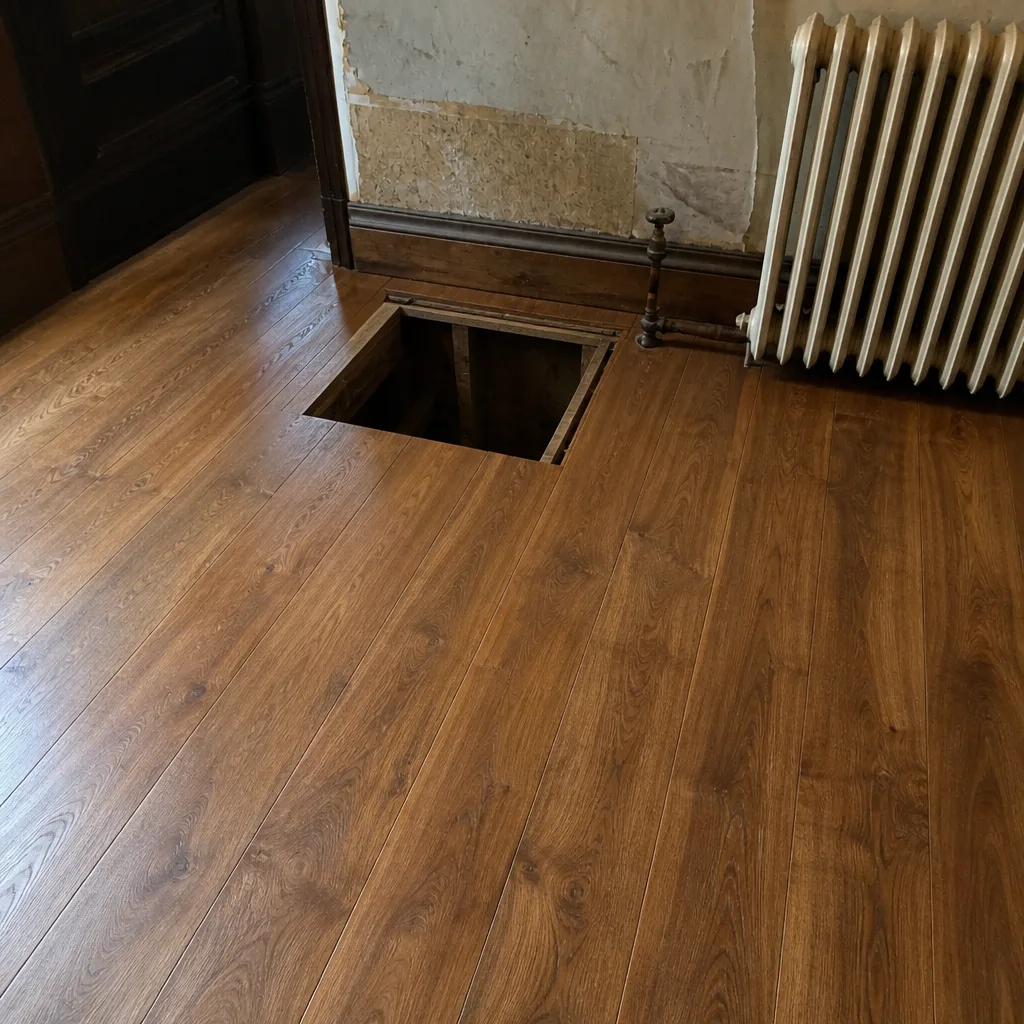
See the difference
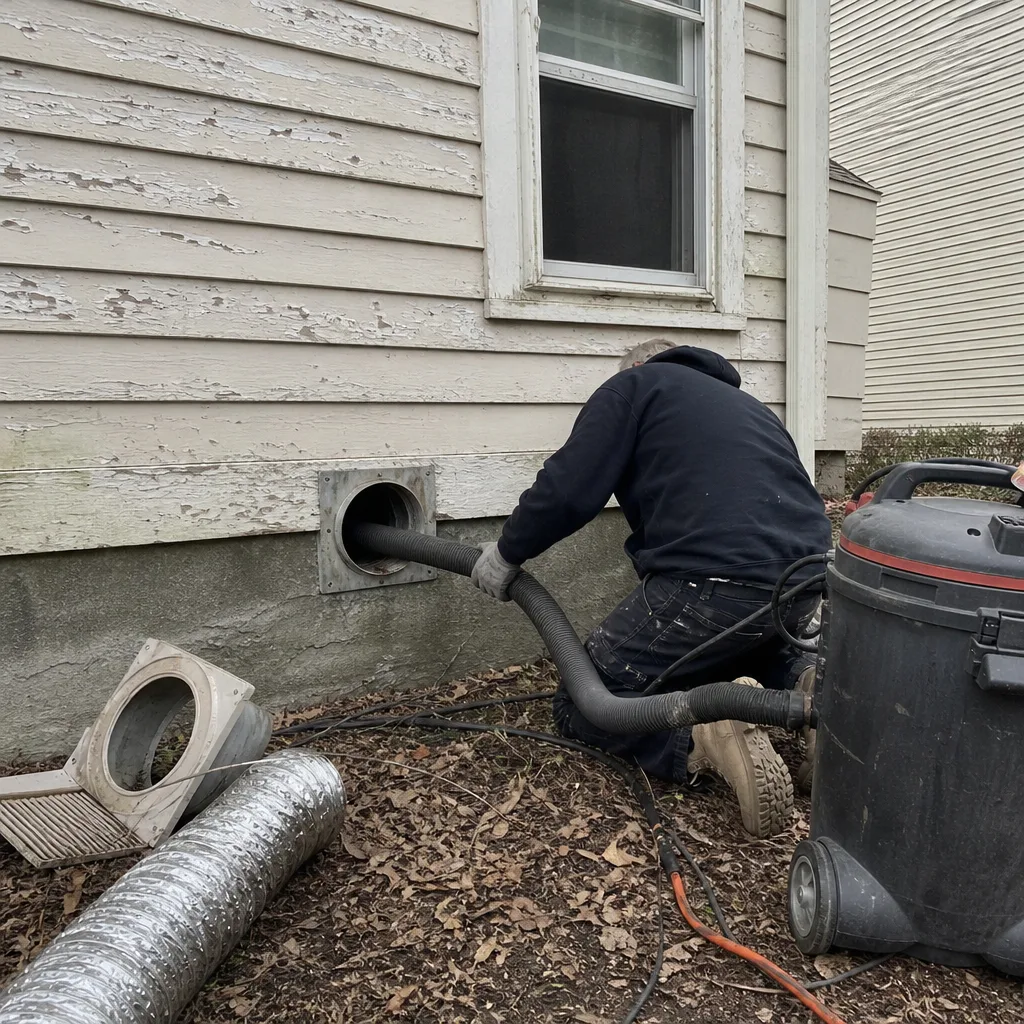 Before
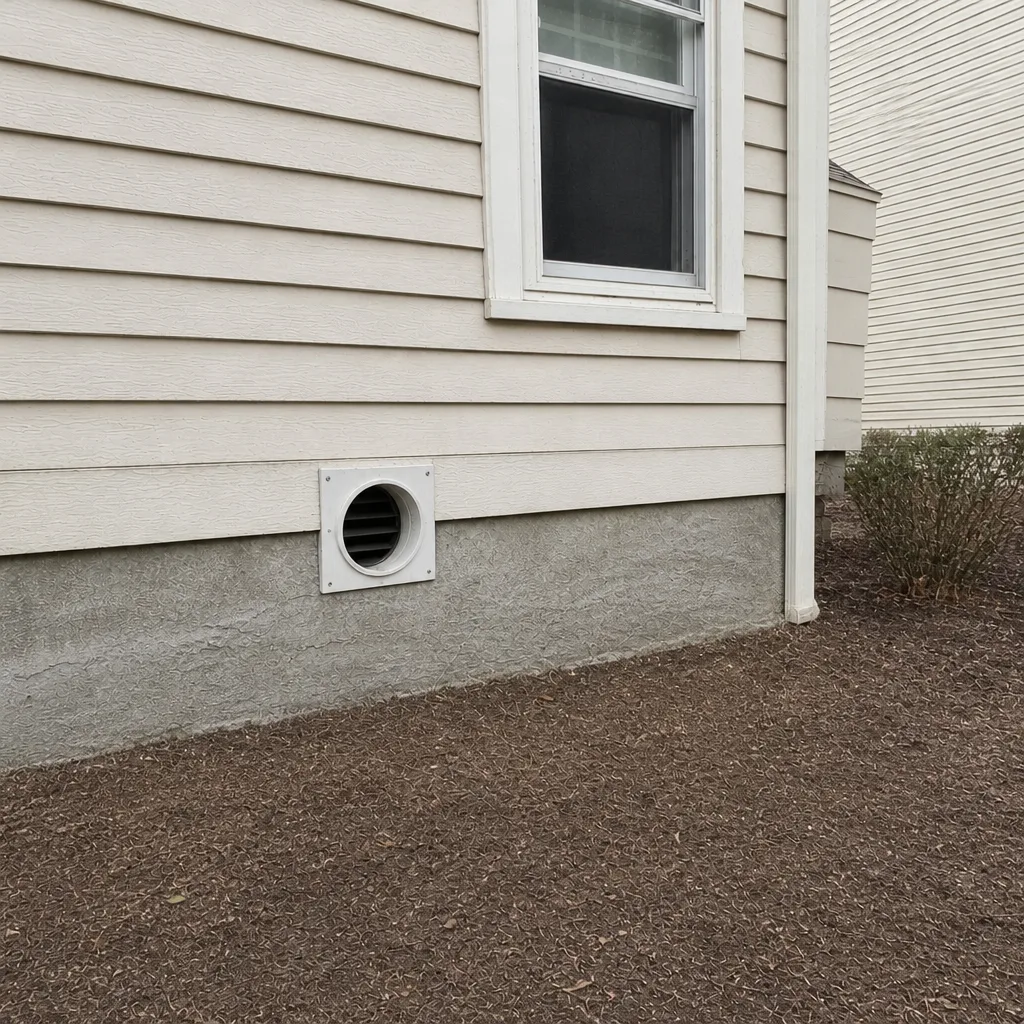 After
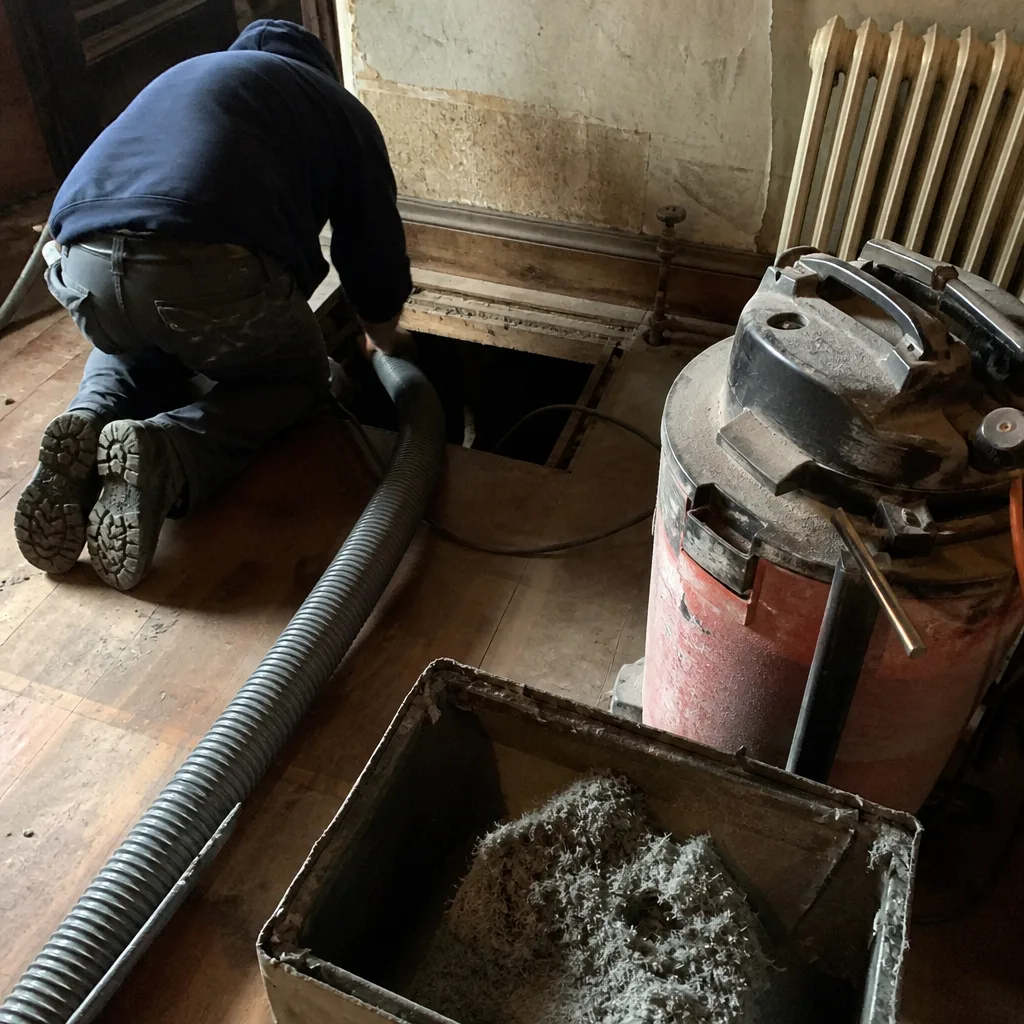 Before
 After
 Before
 After
When to Call a Professional
Call a professional duct technician after any house fire, regardless of size. Call after any water intrusion that reached the ductwork, including basement flooding that wet ducts running through the space. Call if you can see visible soot, mold growth, or water staining inside registers or at the air handler. Call if occupants experience unexplained respiratory symptoms, musty odors, or increased allergy flare-ups that don’t resolve after other cleaning. And call if you’re mid-claim and unsure whether the work your insurer is asking for matches what the ductwork actually needs. Duct Cleaning Providence offers free estimates in Providence. Call (844) 542-8739. We answer 24/7. Fast dispatch from 7am to 7pm, Sunday through Friday. Our technicians have up to 13 years of experience with professional-grade equipment, so you’ll get a clear explanation of what’s wrong and what it takes to fix it.
Frequently Asked Questions
No. Running the HVAC system after a fire, even a small one, pushes soot and smoke particles deeper into the duct network and into every room served by the system. Shut the system off at the thermostat and the breaker and keep it off until a professional inspects the ductwork. If the fire was contained to one room but the system was running during the fire, the ductwork above and away from the fire may still be affected.
It depends on the category of water and the duct material. Clean-water (Category 1) intrusion may leave ducts salvageable if dried within 24 to 48 hours. Gray water (Category 2) typically requires cleaning and disinfection of rigid duct and replacement of porous flex. Black water (Category 3) usually means all porous materials in the affected run must be replaced. In Providence, basement floods are often Category 3 because exterior water carries contamination. A professional inspection is the only way to be sure which category applies. Call (844) 542-8739 for an assessment; estimates are free.
Sometimes. Coverage depends on your policy language and the cause of loss. Many policies cover duct cleaning as part of smoke or water damage mitigation when the loss itself is covered; others classify it as maintenance and exclude it. Call your adjuster before hiring anyone and ask specifically whether duct cleaning is covered, what documentation they require, and whether they want an inspection report. Photographs, a written scope from the technician, and the furnace filter kept in a sealed bag all strengthen the claim.
Emergency cleaning targets a specific hazardous contaminant from a fire, flood, or similar event, and requires HEPA containment, negative pressure, and post-cleaning clearance testing. A regular maintenance cleaning removes accumulated dust and general debris from a healthy system. The equipment is similar but the scope and the safety requirements are different. In an emergency, the containment step is not optional; without it, the cleaning itself can spread contamination through the house.
As soon as the property is safe to enter and the fire department has cleared you to return. For floods, ducts should be dried and assessed within 24 to 48 hours to prevent mold growth, which becomes a much larger and more expensive problem. For fires, the priority is to shut the system off immediately, document, and then schedule the inspection. Waiting can allow soot residue to bond more firmly to duct surfaces, making removal harder. Call (844) 542-8739. We answer 24/7, with fast dispatch from 7am to 7pm, Sunday through Friday.
Because after a major fire or flood, out-of-town subcontractors often arrive the next day and work without the local accountability or scope of work a claim requires. They may quote a low price on the spot and then bill for extra work once the job is underway, or disappear when follow-up documentation is needed. In Providence, hire a licensed and insured local provider who gives you a written scope and a fixed price before work begins, and who can explain how their work will be documented for your insurer. Call (844) 542-8739 for a free estimate from a local team.
The Bottom Line
Duct emergencies are not rare events with easy answers. A fire, a flood, or an HVAC system failure can turn a recoverable situation into a full system replacement if the first 24 hours go wrong. Shut the HVAC off first. Document everything before you clean. Call your insurer before you call a contractor. And hire a professional who uses real containment equipment (Abatement Technologies HEPA filtration, Nikro negative-pressure machines, Rotobrush contact cleaning) and who can repair ductwork, not just clean it. In Providence, the right sequence protects your air, your home, and your claim. Call (844) 542-8739 for a free estimate. We answer 24/7. Fast dispatch from 7am to 7pm, Sunday through Friday.
Written by the team at Duct Cleaning Providence.