
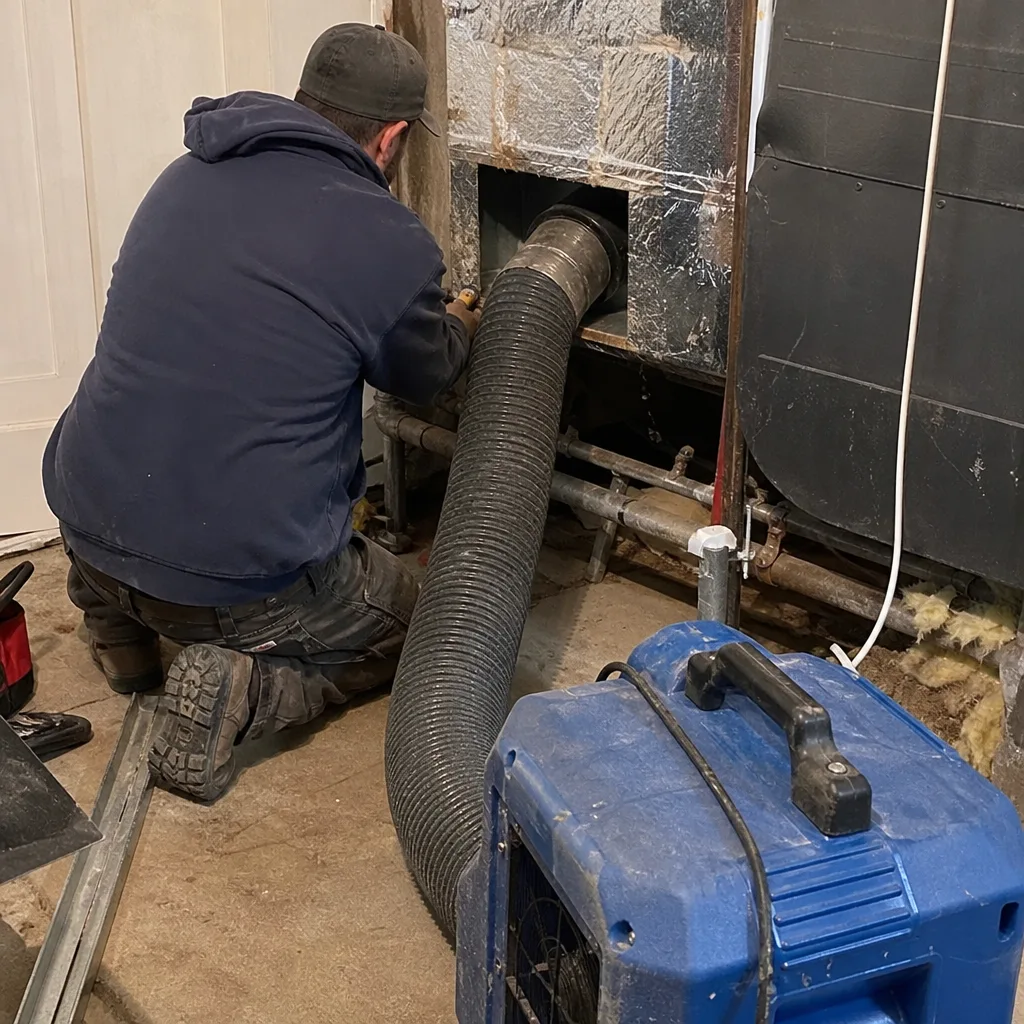
Last updated November 16, 2026
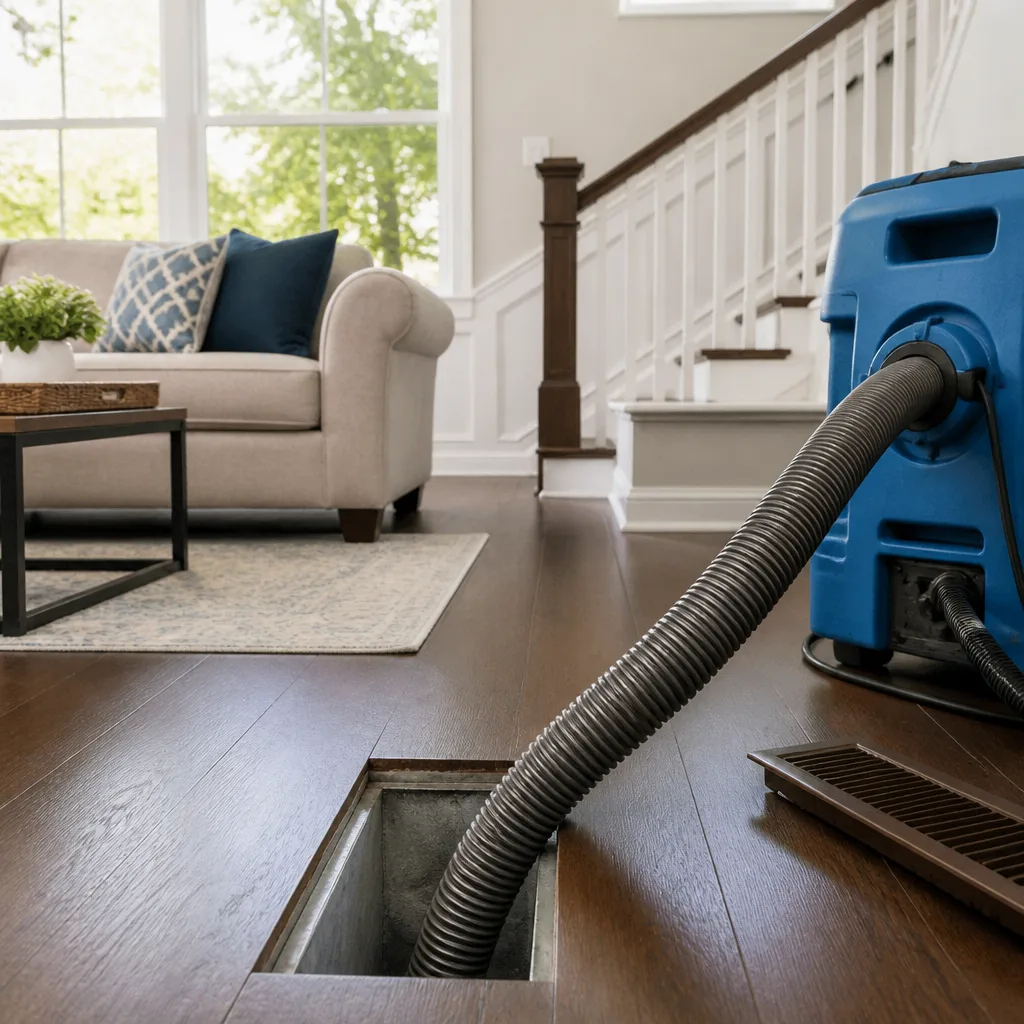 Whole-home duct cleaning
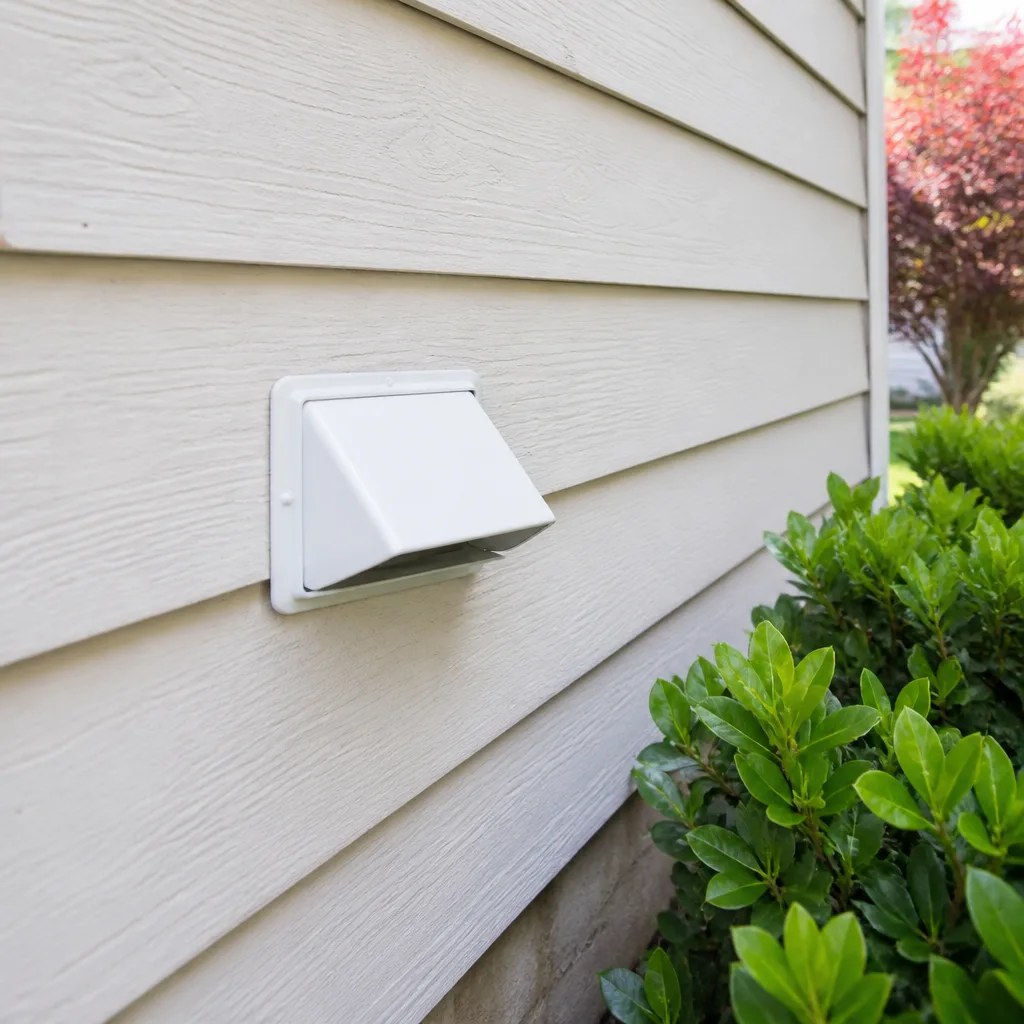 Dryer vent cleaning
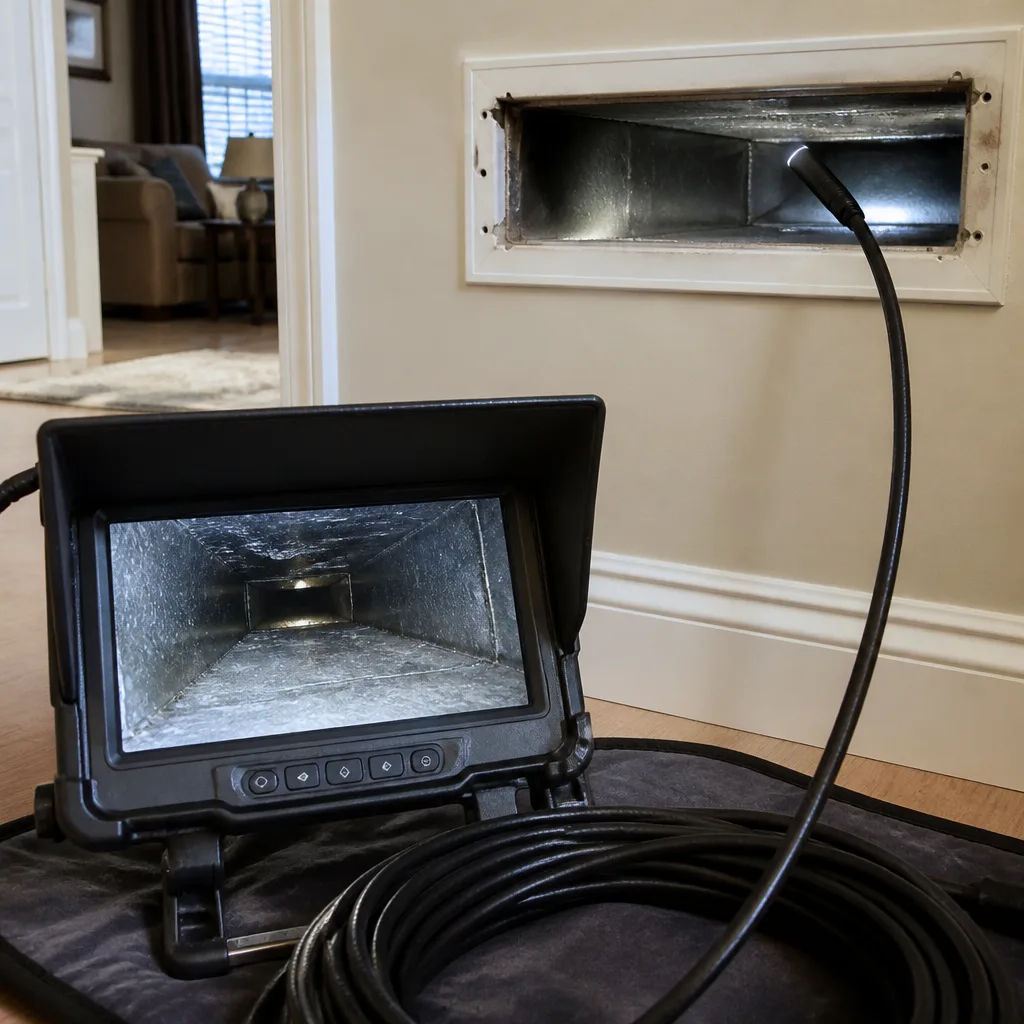 Camera inspection
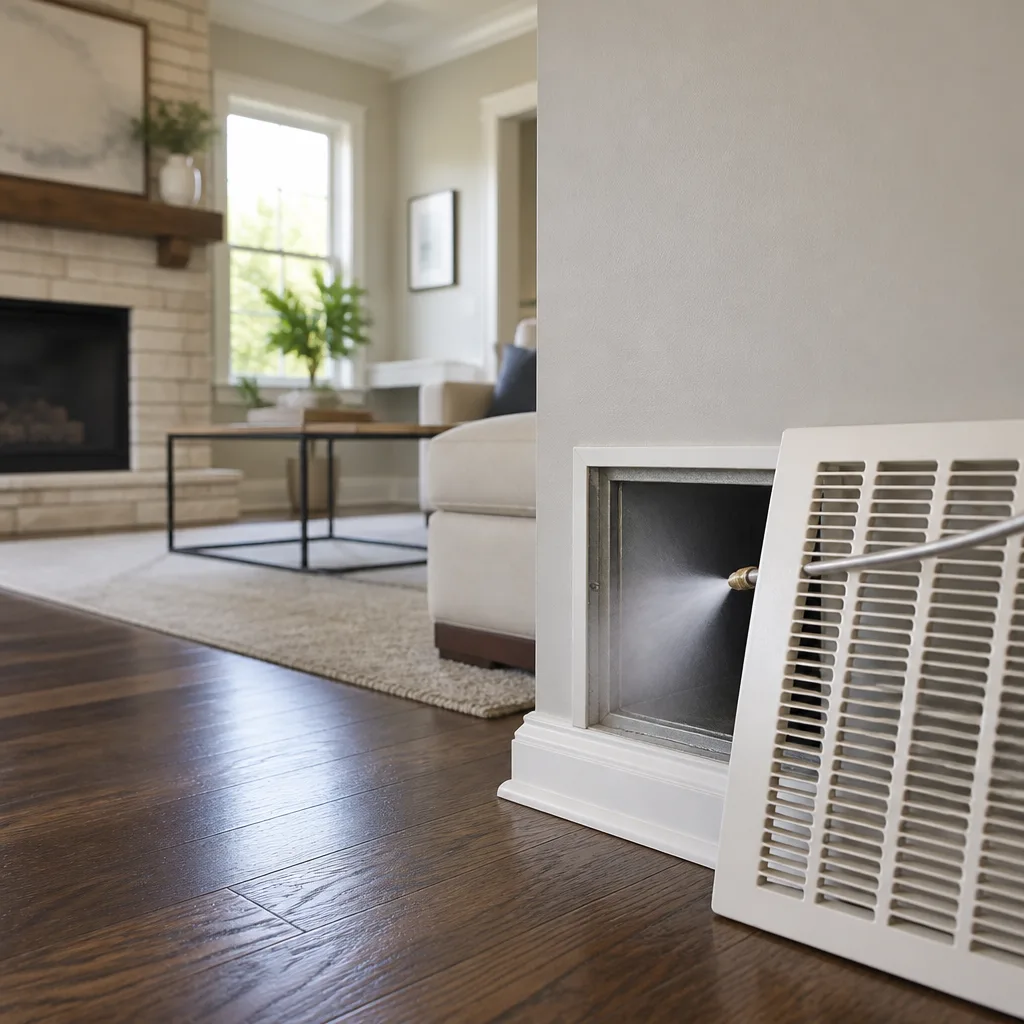 Sanitizing & deodorizing
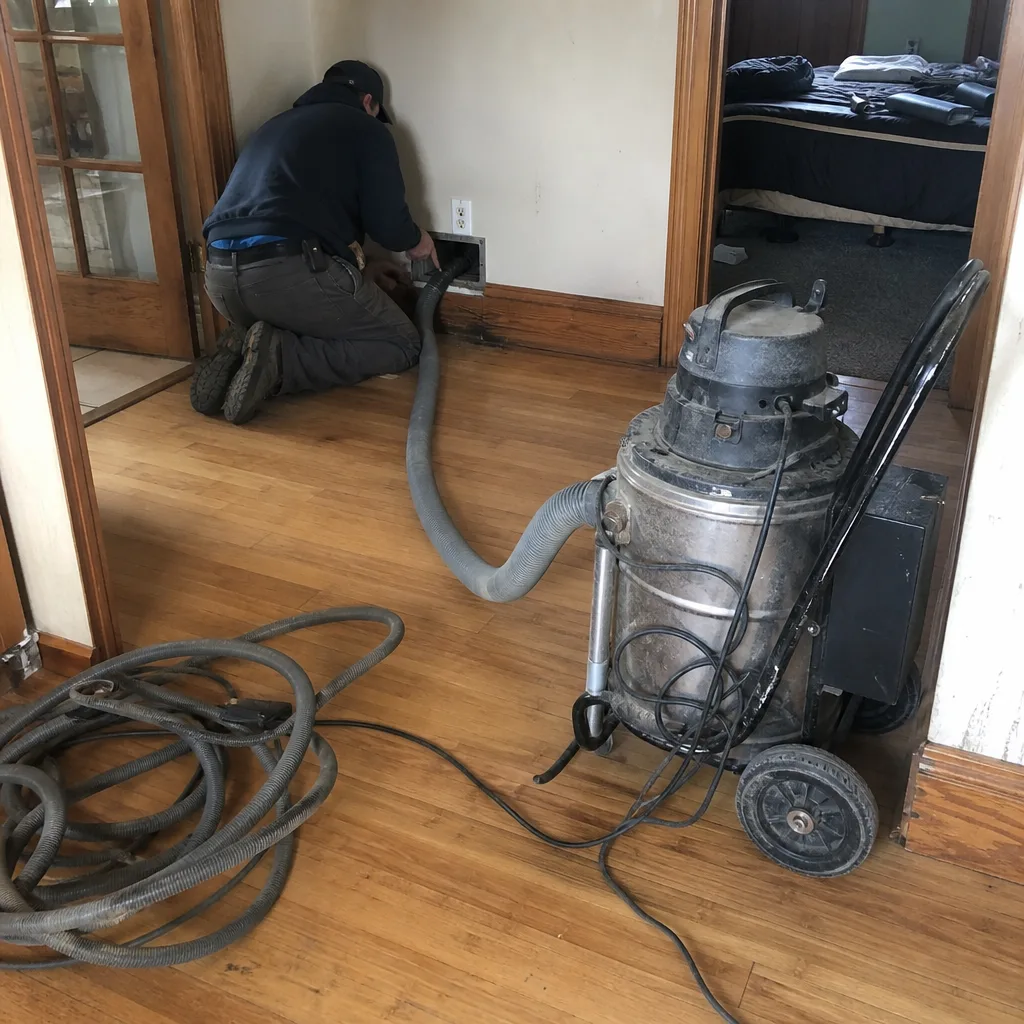
Whole-system duct and dryer vent check with before-and-after photos - you see exactly what came out of your vents
That "$99 whole-house special" is a bait ad - the real number appears once they are in your hallway, or the "clean" is a shop-vac at the register. We photograph the inside of your ducts before and after instead.
Air Duct Cleaning Warning Signs: A Providence Homeowner’s Reference Guide
Black dust rings around a supply register get dismissed as “just dust” more often than any other symptom in a Providence home. They usually aren’t. Those rings are often evidence of filtration bypass: unfiltered air slipping through gaps around the register frame and leaving fine particles on the wall itself. The signs your ducts give you are rarely dramatic. They show up as a cold bedroom, a smell that vanishes by November, a rust stain on a floorboard. This guide teaches you to read those signals for what they are, separate cosmetic dust from a real air-quality problem, and know when cleaning solves the issue and when the ductwork itself needs repair. You’ll learn the specific signs that show up in Providence housing stock.
Quick Answer
The main warning signs that your air ducts need attention are visible dust or dark rings around registers, musty odors that persist or return, uneven room temperatures, rust or condensation on duct runs, and a noticeable jump in dust after renovation work. In Providence, the difference between a cosmetic nuisance and a genuine air-quality problem usually comes down to whether the ducts are dirty or damaged, because cleaning dirty ducts and repairing leaking ducts are two different jobs. If a sign keeps coming back after a cleaning, the duct system has a physical problem that cleaning alone won’t fix.
Styles & brands we work with
- Whole-home duct cleaning
- Dryer vent cleaning
- Camera inspection
- Sanitizing & deodorizing
Table of Contents
- Filtration Bypass Rings vs. Normal Register Dust
- Uneven Room Temperatures as a Duct-Leak Diagnostic
- What Musty Odor on First Heat-Up Actually Means
- Providence Housing Signs: Triple-Deckers and Colonial Ranches
- Post-Renovation Dust: When It’s More Than Drywall
- When Cleaning Isn’t Enough and Repair Is the Answer
- How to Check Your Own System: A Step-by-Step Walkthrough
- Dryer Vents: The Warning Sign Most Homeowners Miss
Filtration Bypass Rings vs. Normal Register Dust
A dark ring around the edge of a supply register is filtration bypass evidence, not ordinary dust. Normal dust settles evenly across the face of the grille. A ring forms at the perimeter because air is escaping through a gap between the register frame and the drywall or duct boot, bypassing the filter entirely and dragging unfiltered particles across the wall surface. The distinction matters because one is a cleaning issue and the other is an air-sealing issue.
Here’s how to tell them apart when you look at a register in your Providence home:
- Even dust across the grille face: normal accumulation from the air the system circulates. A standard air duct cleaning addresses it.
- A distinct dark halo at the frame edge: filtration bypass. Air is leaking around rather than through the filter. Cleaning the duct won’t close the gap.
- Fine black or gray particles on the wall paint: often carbon-based and consistent with unfiltered airflow depositing on a surface.
- Same ring returning weeks after you wipe it: the bypass is still open. Wiping the wall solves nothing.
The reason this gets misread so often is that a bypass ring looks like the sort of grime you’d expect near an air vent. It isn’t. It’s a small air leak you can see. Where several registers show the same halo, the system is likely losing a meaningful share of its air before it reaches the filter. That is exactly the kind of finding an experienced technician documents with before-and-after photos of your own ducts, so you can see whether the problem is dirt or a gap.
Uneven Room Temperatures as a Duct-Leak Diagnostic
If one room in your home is stubbornly colder in winter or warmer in summer, the thermostat isn’t the first suspect. Uneven temperatures are one of the clearest signs of a leaking or disconnected duct run. When a supply duct loses its seal in an attic, basement, or wall cavity, conditioned air escapes into the structure instead of reaching the room it was meant for. The furnace runs longer, the room stays uncomfortable, and the problem gets blamed on an aging system.
A duct leak is a distribution problem, not a heating or cooling problem. The appliance is doing its job. The air is simply going somewhere else. This is why replacing a furnace to fix one cold bedroom so often disappoints; the new equipment pushes the same air through the same leaking ductwork.
What to watch for:
- One or two rooms consistently off by several degrees. The pattern stays the same regardless of how long the system runs.
- Weak airflow at the register in the affected room. Hold your hand up to it and compare to a register that works.
- Dust streaks on the ceiling near a supply boot. Air escaping at a joint carries dust with it and stains the surface.
- Whistling or a faint rush of air inside a wall or floor cavity. A disconnected run is blowing conditioned air into the structure.
Uneven temperatures are worth diagnosing properly before any cleaning is sold. With duct cleaning in Providence, a technician who also does repair can pressure-check the run, find the leak, and fix the ductwork on the same visit rather than cleaning around a problem that stays open.
What Musty Odor on First Heat-Up Actually Means
A musty smell the first time the heat comes on each fall is usually harmless: dust that settled on the heat exchanger over the summer is burning off, and the odor fades within a day or two. A musty odor that persists weeks into heating season, or returns every time the system cycles, is a different problem entirely. It points to moisture somewhere in the system, and moisture means microbial growth on a duct surface or in the insulation around it.
These are two separate diagnoses, and treating them the same way wastes money:
- First heat-up only, gone by day two: seasonal dust burn-off. Routine cleaning on your normal schedule is sufficient.
- Persistent musty smell mid-season: moisture in the system. The source has to be found, whether it’s condensation on a cold duct, a leak, or high humidity in a basement that houses the equipment.
- Musty smell in one room only: a leak or damp section of duct serving that room, or a return pulling air from a damp space.
- Smell tied to a specific room’s return: the return may be drawing air from a basement, crawlspace, or damp closet it shouldn’t.
Providence’s damp shoulder seasons and humid summers make moisture the more common culprit here than in drier climates. If the smell is persistent, cleaning alone may not be the answer; the duct system may need repair at the point where moisture is entering. When we find moisture, we locate the source before we recommend anything.
Providence Housing Signs: Triple-Deckers and Colonial Ranches
Providence’s housing stock produces warning signs you won’t see spelled out on a generic duct-cleaning page. The city is full of triple-deckers, older colonials, and ranches, and each type reveals duct trouble in its own way.
Triple-deckers. These buildings run ductwork or air pathways between stacked units, and the units share more air than their occupants realize. Watch for:
- Rust streaks on the floor or ceiling just below a floor register. Rust is moisture, and moisture in a shared floor cavity is worth investigating.
- Odors in one unit that track with activity in another. Shared or connected air pathways mean a return in one apartment can pull air from a neighbor’s space.
- Dark staining around ceiling registers on an upper floor, often from air that has already passed through a lower unit’s system.
Colonial ranches and capes. The long duct runs and equipment in unconditioned spaces create their own tell:
- Condensation or water stains on exterior duct runs, especially where ducts pass through unheated attic or crawlspace.
- Cold duct sections in summer that sweat, wetting insulation and setting up growth.
- Musty odor near the equipment closet or basement, strongest on humid days.
Rust and condensation are the signs that most often get missed, because they show up away from the register. Both point toward moisture. Moisture is a different fix from dirt, and it’s the kind of thing worth having looked at directly before it works its way into insulation.
Post-Renovation Dust: When It’s More Than Drywall
Dust after a renovation is expected. Dust that keeps coming back weeks after the work is finished, or dust that appears in rooms the crew never touched, means the construction debris made it into the duct system. Drywall dust is fine and abrasive, and it travels. Once it’s inside the return and supply runs, it circulates every time the system cycles.
Signs that renovation debris has entered the ducts:
- Rooms far from the renovation show a fresh dust film on surfaces.
- The dust is fine and white or gray, consistent with drywall sanding.
- Airflow feels weaker after the project than before it.
- The system’s filter loads up faster than usual in the weeks following the work.
Renovation jobs are also where HEPA-level containment matters. We use Abatement Technologies HEPA filtration equipment to contain fine debris during cleaning, which keeps drywall particles from re-entering the living space while the ducts are being worked on. That’s not a claim every duct cleaner can make, and for households with allergy sufferers or anyone who just finished a kitchen remodel, it changes what a cleaning visit can safely accomplish.
When Cleaning Isn’t Enough and Repair Is the Answer
The most expensive mistake a homeowner can make is paying for a cleaning when the problem is physical damage to the ductwork. Cleaning removes what’s inside the ducts. It doesn’t reconnect a disconnected run, seal a leaking joint, replace collapsed flex, or fix a plenum that’s pulled loose. If the signs below are what you’re seeing, the answer is repair, not another cleaning.
Choose repair over cleaning when you notice:
- Persistent temperature differences that don’t improve after a cleaning.
- Filtration bypass that returns within weeks of a cleaning visit.
- Audible air movement inside a wall or floor cavity.
- Visibly damaged, crushed, or disconnected duct sections at the equipment or in exposed spaces.
- Rust or condensation that cleaning doesn’t resolve because the moisture source is still open.
Our approach is to find what’s wrong and fix it on the same visit. We clean it, we repair it, and we improve it. That means a technician who can diagnose a leaking run, repair the ducting, and then clean the system, rather than handing you a cleaning bill for a problem that’s still there. If your ductwork is old or your system has never been inspected, it’s worth asking for the repair capability up front. You can reach out through our local Providence page to have someone look at the system, or call directly.
How to Check Your Own System: A Step-by-Step Walkthrough
You can’t clean your own ducts safely or effectively, but you can read the warning signs yourself before anyone comes out. Use this walkthrough as a starting point:
- Look at every supply and return register. Even dust across the grille is normal. A dark ring at the frame edge is filtration bypass.
- Wipe the wall just above and below a register. Fine black or gray particles on the paint mean air is leaking past the filter.
- Check for uneven warmth or cooling room to room. A consistent difference of several degrees points to a leak or a disconnected run.
- Note the pattern of your dust. Fresh dust in untouched rooms after a renovation suggests construction debris in the system.
- Smell the air when the heat cycles on. A first-time-of-season odor is normal. A persistent musty smell is not.
- Inspect exposed ductwork in the basement, attic, and crawlspace. Look for rust, water stains, condensation, and visible disconnections.
- Check the filter. A filter that loads up unusually fast suggests dust is being pulled from a dirty or leaking system.
- Write down what you find. Document the registers affected and the pattern. That’s the single most useful thing to hand a technician.
Do not open the system, disconnect ductwork, or reach into the heat exchanger or electrical components. Anything involving the equipment, wiring, or gas lines should be handed to a trained professional. Note what you see and stop there.
Dryer Vents: The Warning Sign Most Homeowners Miss
A lint-clogged dryer vent is a documented fire hazard, and it’s the one warning sign most duct-cleaning services ignore because they don’t offer the service. If you’ve noticed that your clothes take longer to dry, the top of the dryer feels unusually hot, or there’s a burned smell in the laundry area, those are signs worth taking seriously. So is visible lint accumulation at the exterior vent flap, or a flap that no longer opens fully while the dryer runs. Providence homes with long dryer vent runs or vents routed through walls and crawlspaces are especially worth checking.
We offer dryer vent cleaning alongside duct services because it’s a safety issue, not an upsell. A clear vent and a clean duct system belong in the same visit if both need attention.
Common Mistakes to Avoid
- Wiping the dust ring around a register and calling it fixed. The ring returns because the bypass gap is still there. Cleaning the wall does nothing until the gap is sealed.
- Blaming the thermostat for one cold room. A thermostat reads the average temperature at one point, not in the room that’s off. A consistently cold room usually points to a leaking or disconnected duct, not a faulty sensor.
- Replacing equipment to fix a distribution problem. New heating and cooling equipment pushes the same air through the same leaking ducts. Diagnose the ductwork before you spend on the appliance.
- Treating a first heat-up odor and a persistent moldy smell as the same thing. One fades in a day or two; the other signals moisture and needs a repair-level look.
- Hiring only duct cleaning from a vendor who can’t repair. A cleaner finds a disconnected run and cleans around it. Ask up front whether the company can fix what it finds.
- Skipping the dryer vent because “the ducts are the real job.” Lint in a dryer vent is a documented fire risk, and it’s easy to check while the technician is already in the laundry room.
See the difference
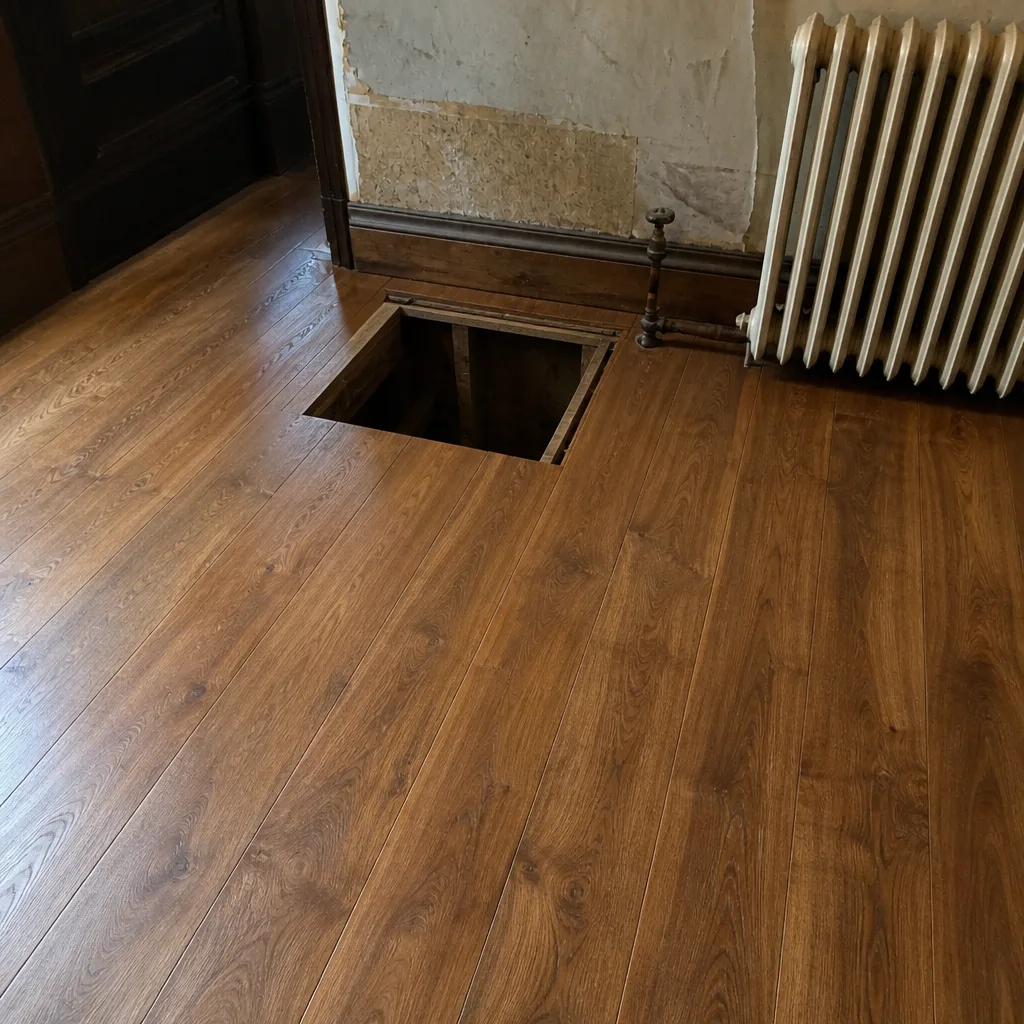
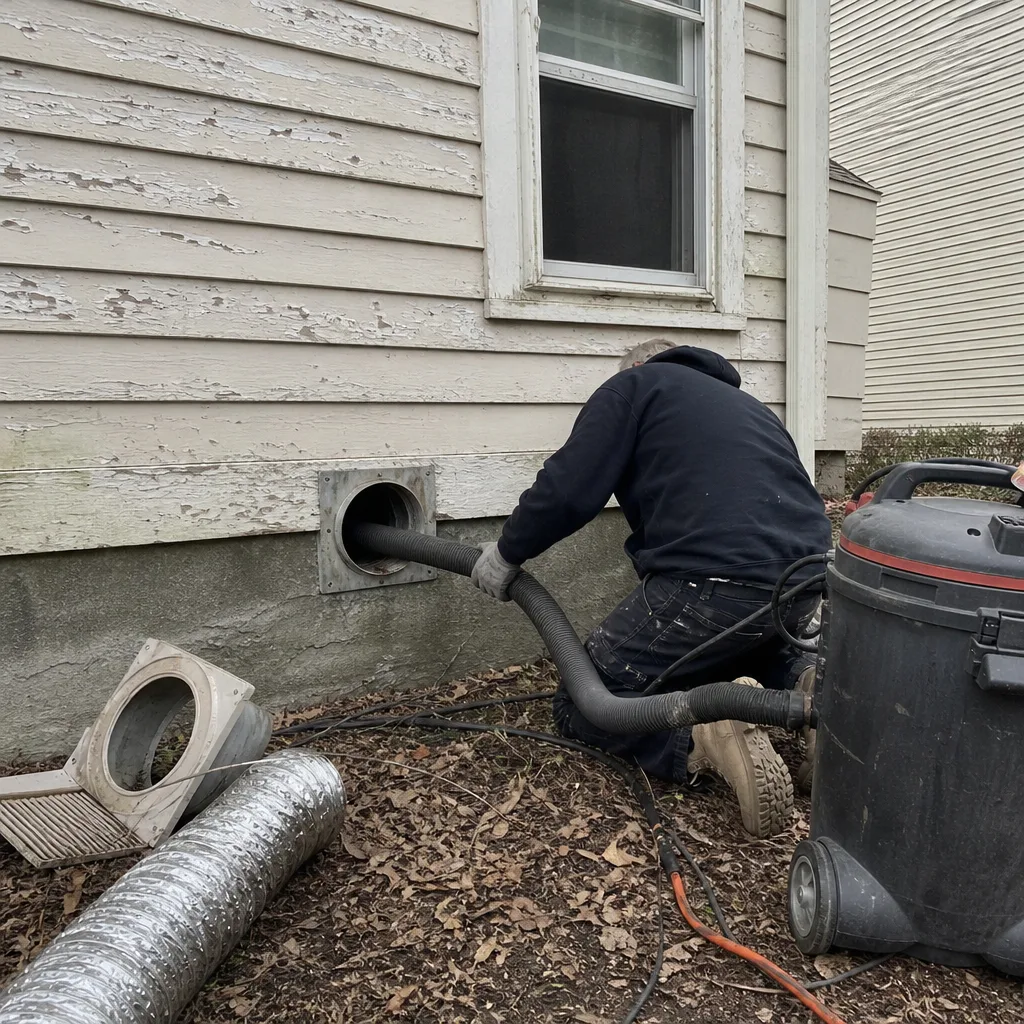 Before
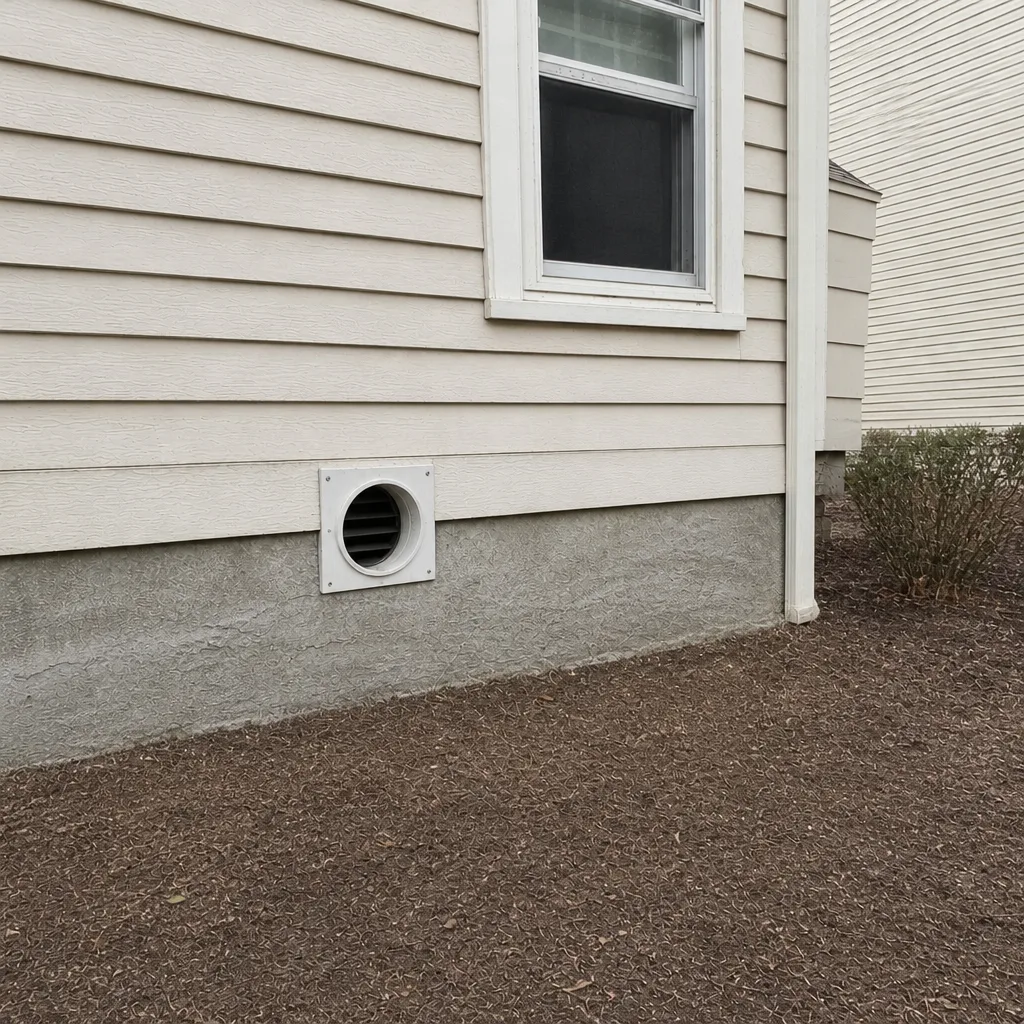 After
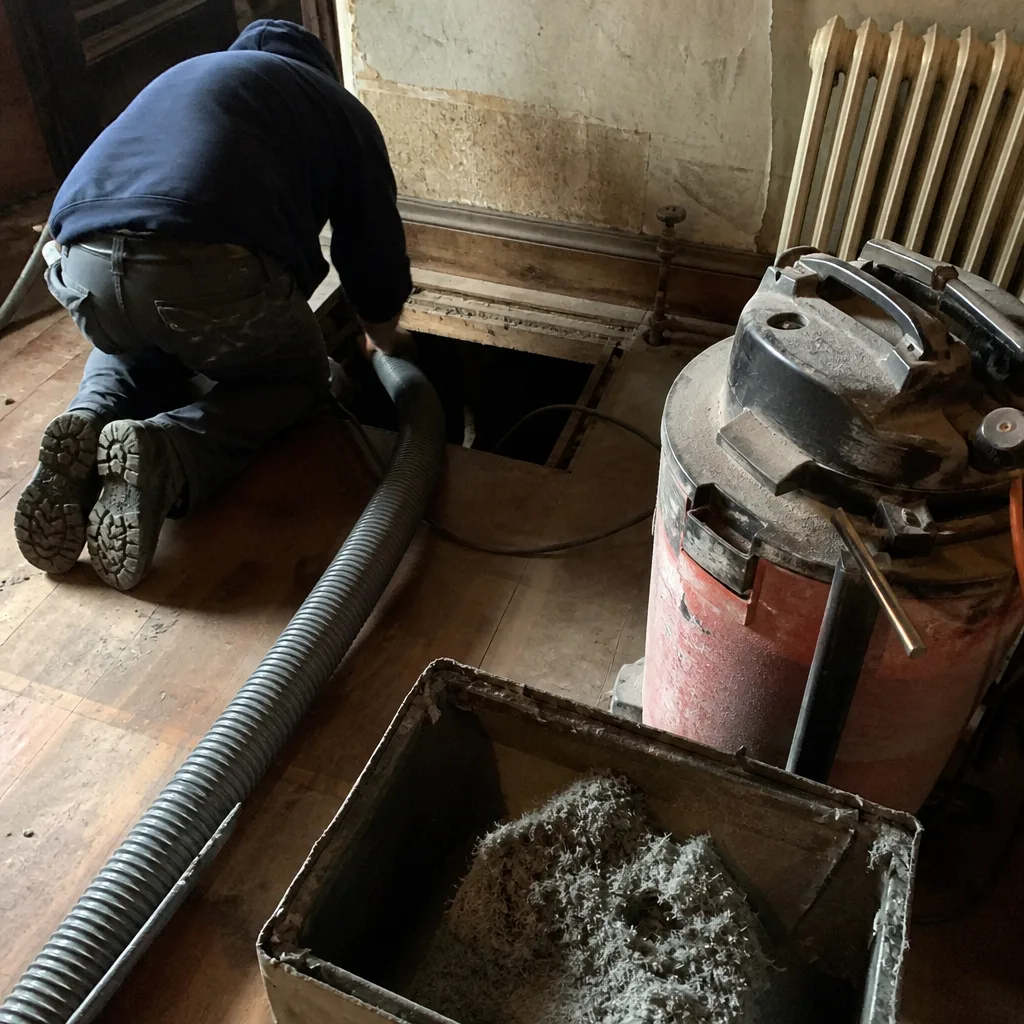 Before
 After
 Before
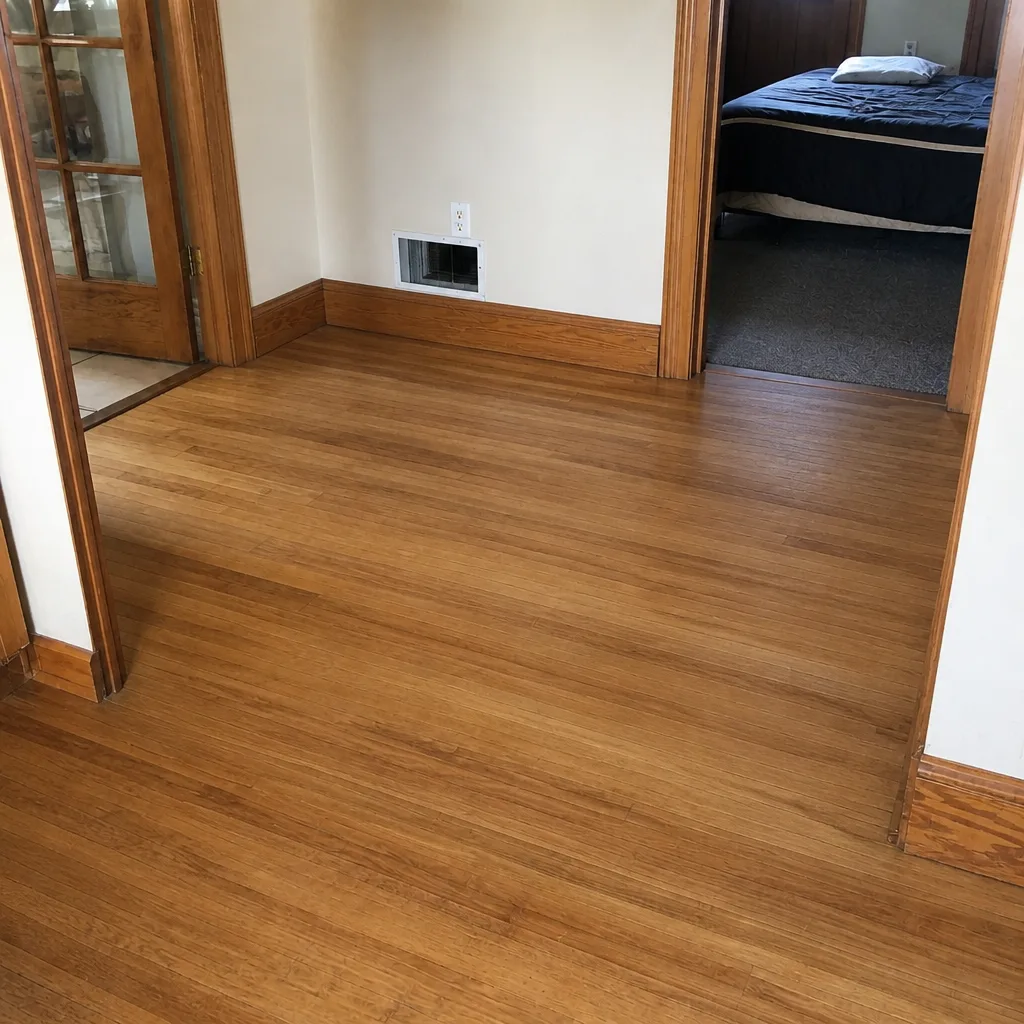 After
When to Call a Professional
Call a professional if you see filtration bypass rings that return after cleaning, persistent uneven temperatures that don’t change with season, a musty smell that lingers through heating season, rust or condensation on exposed ductwork, fresh dust in untouched rooms after a renovation, or any dryer vent warning sign. These are diagnostic problems, not cleaning problems, and the fix depends on finding the actual cause. Duct Cleaning Providence offers free estimates in Providence. Call (844) 542-8739. We answer 24/7. Fast dispatch from 7am to 7pm, Sunday through Friday. Our technicians have up to 13 years of experience, use professional-grade equipment from Rotobrush and Nikro, and can repair ducts rather than just clean them.
Frequently Asked Questions
The most reliable signs are visible dust or dark rings at registers, musty odors that persist or return, uneven room temperatures, condensation or rust on exposed duct runs, and a jump in dust after renovation work. If a sign returns after a cleaning, the problem is more likely a duct leak or damage than dirt, and it’s worth having a technician look at the system. For a direct answer on your home, call (844) 542-8739 – estimates are free.
No. Even dust across the grille face is normal, but a distinct dark ring at the frame edge is usually filtration bypass, meaning air is leaking past the filter rather than through it. That’s an air-sealing problem, not a cleaning problem, and the fix is closing the gap. Cleaning the duct behind a bypass ring won’t stop the ring from coming back.
A consistently cold or warm room is one of the clearest signs of a leaking or disconnected duct run feeding that space. Conditioned air escapes into the wall or cavity before it reaches the room, so the equipment runs longer while the room stays uncomfortable. It’s worth having the run pressure-checked before you consider replacing any equipment.
A musty smell that appears only on the first heat-up and fades within a day or two is usually dust burning off the heat exchanger after summer. A musty smell that persists weeks into heating season or returns every cycle points to moisture in the system and needs a proper diagnosis. Providence’s humid summers make moisture the more common cause here.
Not usually. Cleaning removes what’s inside the ducts; it doesn’t reconnect a disconnected run or seal a leaking joint. Uneven temperatures and returning bypass rings are repair problems. We diagnose the leak and repair the ductwork on the same visit rather than selling a cleaning that won’t change anything.
Dirty ducts produce even dust, gradual reduced airflow, and a system that’s simply overdue. Damaged ducts produce symptoms that don’t change after cleaning: temperature differences, bypass rings that return, audible air movement in walls, and rust or condensation at joints. The pattern of the symptoms tells you which problem you have, and a diagnostic visit can confirm it. Call (844) 542-8739 for an exact answer on your system – estimates are free.
The Bottom Line
Most of the warning signs your ducts give you are quiet, and the trick is interpreting them instead of dismissing them. Black rings around registers mean filtration bypass, not a dirty wall. One cold room usually means a leaking duct, not a bad thermostat. First heat-up smell and persistent musty smell are different problems with different fixes. Triple-deckers and colonial ranches in Providence have their own tells, from rust streaks below floor registers to condensation on exterior runs. And the most important distinction of all: cleaning removes dirt, but repair fixes leaks, gaps, and damage, and it’s worth knowing which one your system needs before anyone sells you a cleaning you don’t need. If you’re seeing any of these signs, call (844) 542-8739 for a free estimate. We answer 24/7. Fast dispatch from 7am to 7pm, Sunday through Friday.
Written by the team at Duct Cleaning Providence.