
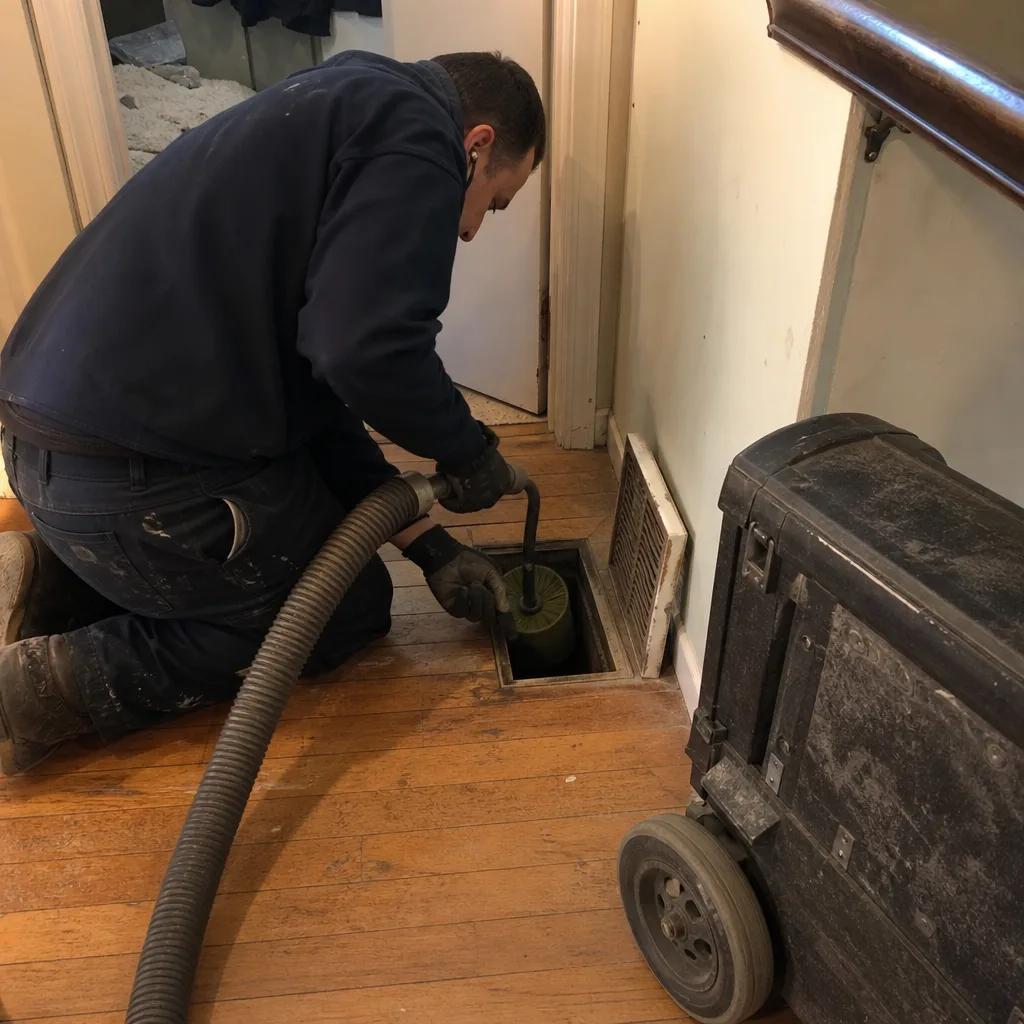
Last updated November 16, 2026
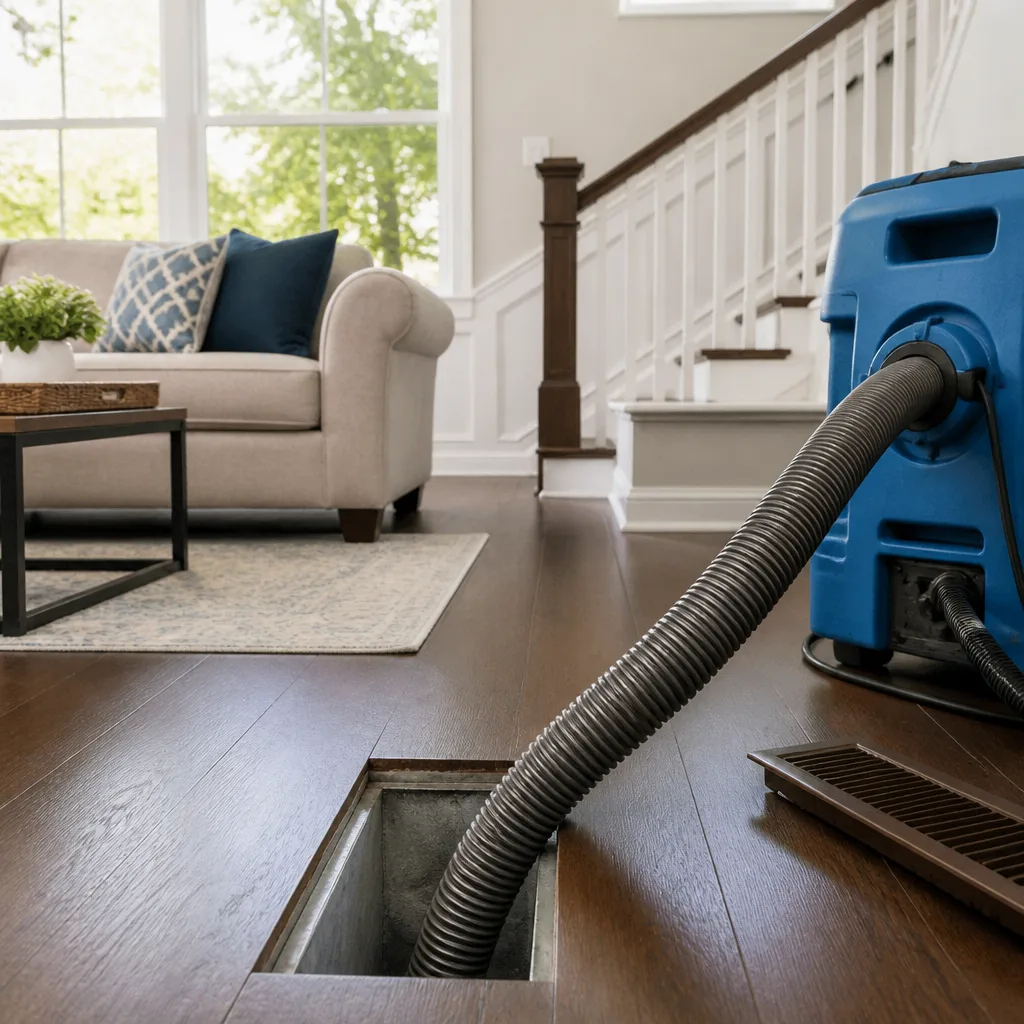 Whole-home duct cleaning
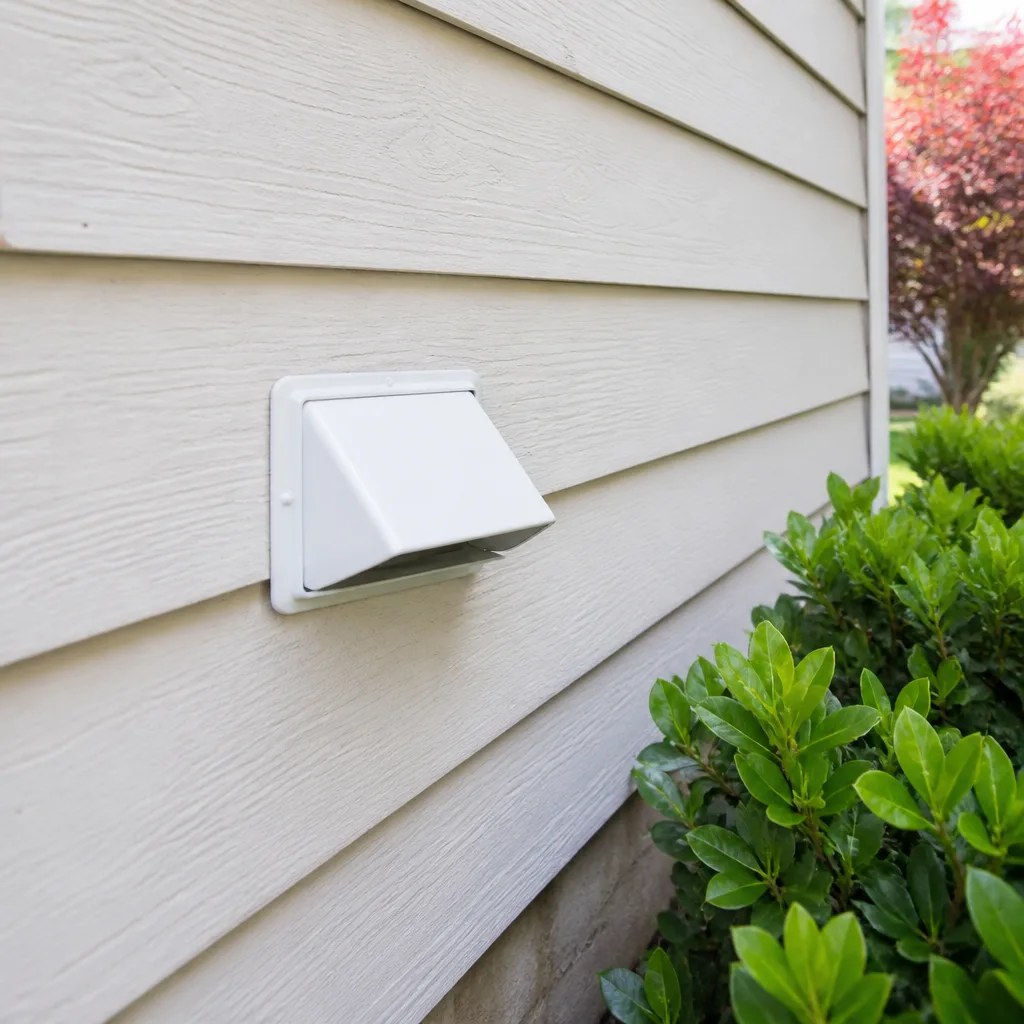 Dryer vent cleaning
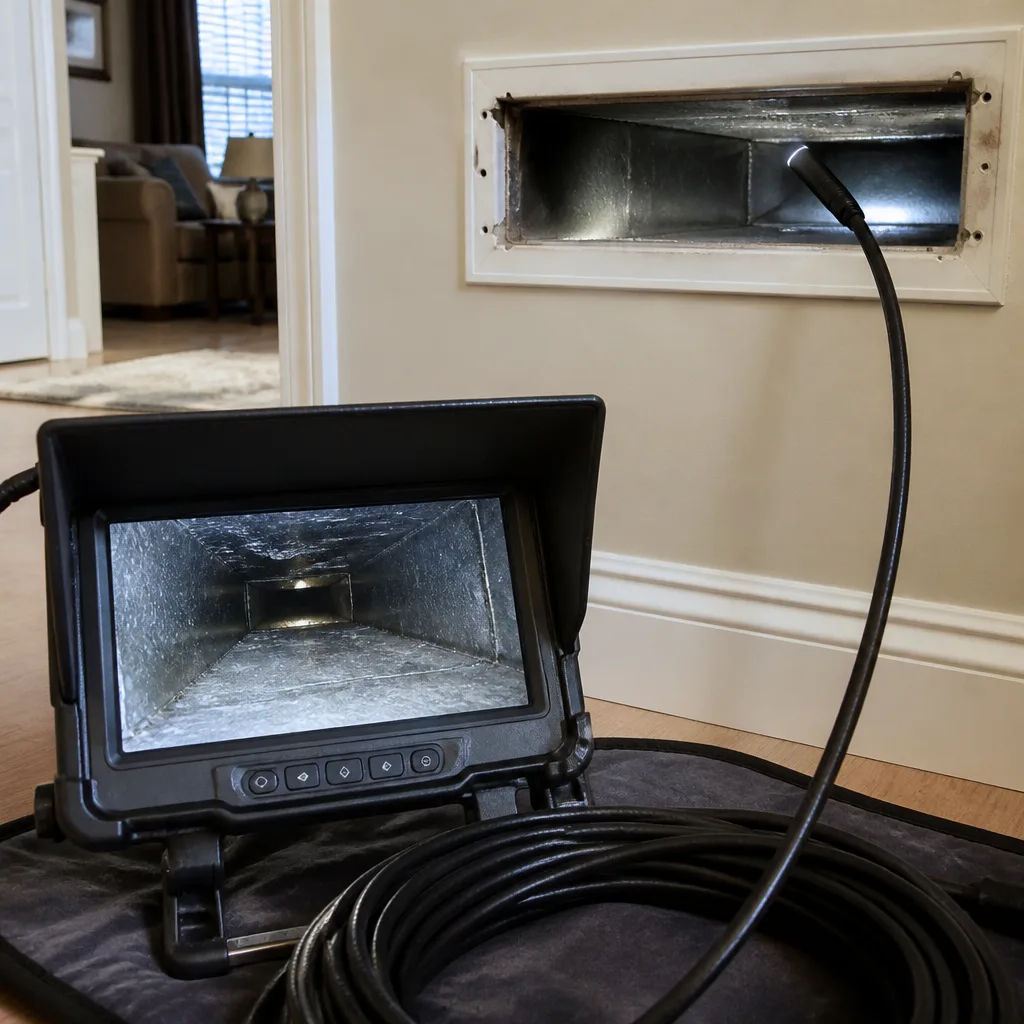 Camera inspection
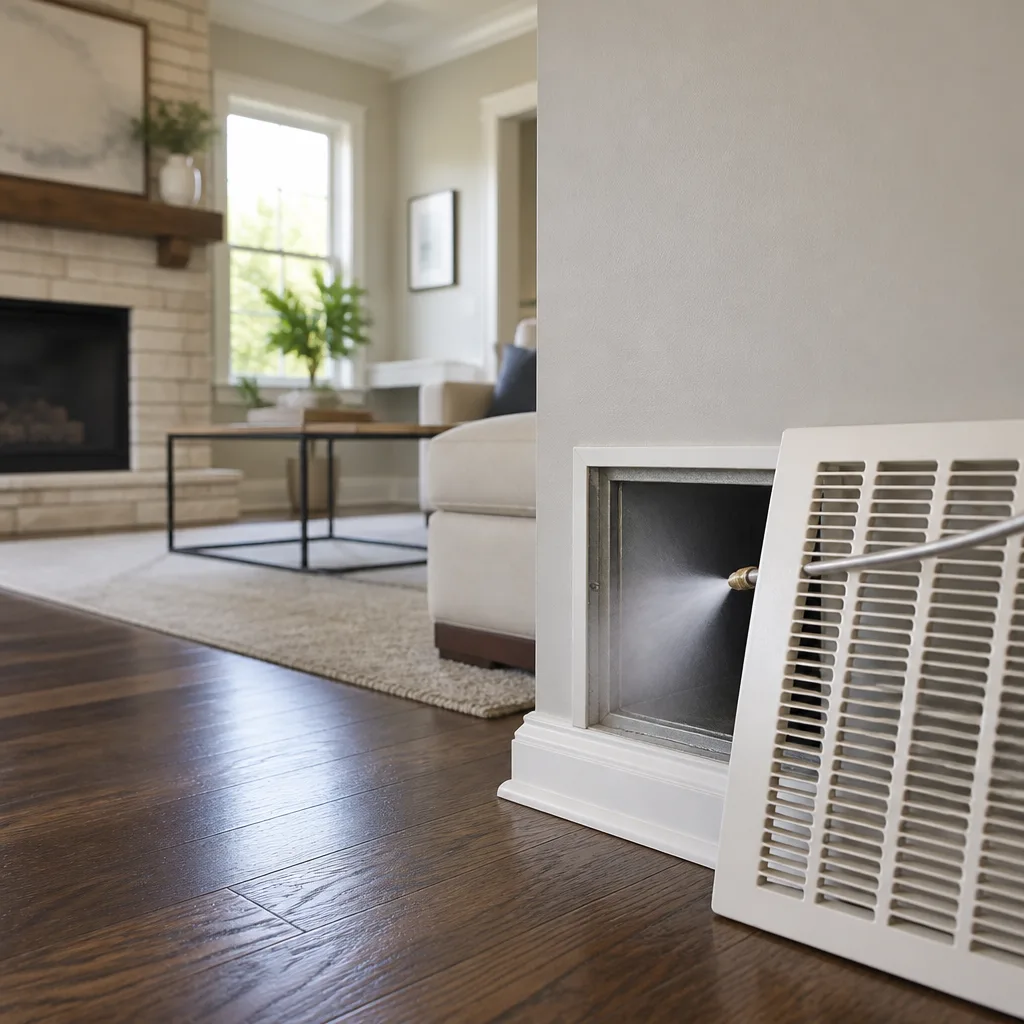 Sanitizing & deodorizing
Whole-system duct and dryer vent check with before-and-after photos - you see exactly what came out of your vents
That "$99 whole-house special" is a bait ad - the real number appears once they are in your hallway, or the "clean" is a shop-vac at the register. We photograph the inside of your ducts before and after instead.
Seasonal Air Duct Cleaning Care for Providence: Year-Round Homeowner’s Guide
Most homeowners treat air duct cleaning as a once-a-year chore, usually a vague “sometime in the spring” plan that never quite lands. That advice fits a mild climate. Providence doesn’t have one. Between salt-free but soggy coastal storms, muggy July afternoons, and furnace season that runs deep into March, your ductwork goes through four distinct stress cycles every year – and each one deposits something different on the inside of the system. This guide maps specific seasonal maintenance actions to each one, so the cleaning schedule you follow actually matches the conditions your house faces.
Quick Answer
The best seasonal air duct cleaning strategy for Providence homes is fourscheduled checkpoints per year, not one annual cleaning: a late-summer cleaning and inspection before the furnace starts, a mid-winter filter and sealing check, a spring post-heating inspection for soot and humidifier scale, and an early-summer moisture audit of the coil and drain pan. Cleaning on that rhythm keeps contamination from compounding and catches moisture problems before they turn into mold.
Styles & brands we work with
- Whole-home duct cleaning
- Dryer vent cleaning
- Camera inspection
- Sanitizing & deodorizing
Table of Contents
- Why Providence’s Climate Demands a Seasonal Approach
- Fall: The First Heating Cycle Is the Highest-Risk Moment
- Winter: Sealing, Duct Board, and the Cold-Weather Cleaning Window
- Spring: Post-Heating Inspection for Soot, Scale, and Filter Bypass
- Summer: Humidity, the Coil Drain Pan, and the Mold Trap
- The Providence Seasonal Duct Calendar You Can Keep
- How to Inspect Your Own Ducts Each Season
- Common Mistakes to Avoid
Why Providence’s Climate Demands a Seasonal Approach
Providence averages 49 inches of rain per year, and the city sits close enough to Narragansett Bay that summer dew points regularly push into the uncomfortable range. Those two facts do something specific to ductwork: they keep the air inside the system humid for weeks at a stretch, and they load the balance between indoor and outdoor moisture. Any gap in duct insulation or a slow drain pan becomes a mold nursery rather than a cold spot.
The heating side is just as demanding. Rhode Island winters mean the furnace runs hard for months, pulling air through the same ducts, cycling thousands of cubic feet per day. Every furnace cycle redistributes whatever has settled on the duct walls, the blower, and the coil. That’s the mechanism most generic cleaning advice skips: it’s not that dust “builds up,” it’s that each season changes the moisture and airflow conditions that let contamination stick, dry, grow, or travel.
If you live in a Federal Hill triple-decker with original sheet metal, an East Side colonial with a duct board trunk, or a postwar ranch in Elmwood, the same four season cycles apply. What changes is which one will bite you hardest. Older galvanized ducts in Providence tend to accumulate more dry particulate; newer flexible ducting tends to trap moisture at the seams. Knowing which building type you’re in tells you where to look first.
One more Providence-specific factor: heating systems run on a schedule that’s genuinely shorter than the calendar. October through April is common, but late-season cold snaps into May aren’t. That means the “first heating cycle” happens well before the leaves are off the trees – and that first cycle is where a lot of indoor air quality problems get seeded, which is what the fall section below explains. For a full deep service assessment, a scheduled visit from Duct Cleaning Providence at the seasonal inflection points is the most efficient approach.
Fall: The First Heating Cycle Is the Highest-Risk Moment
Fall is when several months of dry-season accumulation gets blown back into your living space in a single morning. During summer, ducts settle dust that dries and hardens on the walls. When the furnace first fires, the blower pushes warm, dry air through the system and lifts particles that were essentially stuck to the interior surface. You experience it as a musty smell on the first cold morning, or as a visible dust plume from supply registers.
The right response is to clean before that first cycle, not after. Here’s the sequence we recommend to Providence homeowners:
- Get the system cleaned in late August or September – before the thermostat switches from “cool” to “heat.” Cleaning after the first cycle means you’ve already redistributed whatever was sitting inside.
- Replace the filter the same day the cleaning is done – not two weeks earlier, which wastes the filter’s life on pre-cleaning debris.
- Check the return-air grilles for visible dust mats – and clear them if present. A clogged return chokes the blower and starves every room downstream.
- Have a technician confirm the ductwork isn’t leaking – a small leak at a joint in a fall-cleaning visit is cheap to fix. The same leak in February sends conditioned air into the attic or crawlspace all winter.
Professional equipment matters more in this first visit than at any other point in the year. Contact-cleaning systems like Rotobrush work the duct walls mechanically, which is what it takes to dislodge dust that’s dried onto galvanized surfaces over a humid summer. Negative-pressure machines from Nikro hold the contaminant column inside the system while it’s being cleaned, so it doesn’t get pulled into living space. A shop-vac and a brush doesn’t do either job at scale. If you’re scheduling this work for the first time, the air duct cleaning service page walks through what a full cleaning includes room by room.
Winter: Sealing, Duct Board, and the Cold-Weather Cleaning Window
Winter is when the duct system sees maximum daily use and when older Providence duct board is under maximum stress. Duct board is a fiberglass-based rigid material common in mid-century homes and many post-war renovations. It was a smart choice when it was installed, and it holds up reasonably well, but cold-weather contraction cycles stress the taped seams and the coated interior surface. Every heating season adds to that cumulative wear.
There are two things to know about winter cleaning specifically. First, flexible duct sealant and certain mastic compounds cure differently in cold temperatures. If duct repairs are part of a winter visit, the technician needs to use materials rated for the temperature at which they’re applied – not fall-grade sealant that never properly cures and peels by March. Second, negative-pressure cleaning still works well in winter, but the technician needs to be deliberate about the pressure differential because the house itself is already tight with windows shut. Getting the containment right keeps debris from escaping into living space.
Our practical winter checklist for Providence homes:
- Check the filter monthly through winter. Furnace-running hours stack up, and a clogged filter loads the blower motor.
- Have sealing checked if ducts run through unconditioned attic or crawlspace. A leak that was minor in October is a real energy loss by January.
- Listen for rattling at duct-joint runs. A loose section is a sign the tape or mastic has failed and needs a permanent fix, not just re-taping.
- Schedule cleaning deliberately if it’s the cleaning season for your system. We plan winter cleaning knowing that sealant cure times matter and the interior of the duct needs to be dry before the system comes back on. This is where the full-service side of the work – clean and repair – avoids a second visit later.
Duct board inspection is worth mentioning directly because it’s the material most likely to be hiding a problem. Older Providence homes often have duct board that has been in place for decades. If the interior coating is cracked or peeling, cleaning alone won’t solve the contamination issue; the damaged section needs to be repaired or replaced to stop the source. When you’re planning winter maintenance, ask specifically whether the inspection includes duct board condition, not just cleaning.
Spring: Post-Heating Inspection for Soot, Scale, and Filter Bypass
Spring inspection catches three specific problems that build up over the heating season and are virtually invisible until they cause real trouble: soot deposits, humidifier scale, and filter bypass.
Soot deposits. Even a well-tuned oil furnace in a Providence-area home leaves a small amount of combustion byproduct behind over a winter. That soot is fine, dark, and tends to accumulate at the first few feet of return duct and around the blower compartment. It’s not dangerous in a properly vented system, but it does discolor the interior and can cause an odor when the cooling season starts pushing air through the same ducts. Spring is the right time to sweep the system before the AC season locks in that residue.
Humidifier scale. Many Providence homes run a furnace-mounted humidifier. By March, the pad or canister has usually accumulated mineral scale from the water supply. Scale production means the humidifier is running inefficiently, and some of that mineral dust makes its way into the duct. Spring is when you replace the pad and check whether the humidifier is still appropriately sized for the home’s winter humidity needs. Schedule humidifier service for the same visit as the post-heating inspection.
Filter bypass. A filter that doesn’t seal tightly in its slot lets unfiltered air pass around the edges. That bypass air carries dust straight into the blower and from there into the cooling coil, where it sticks as soon as the AC runs. Spring is the ideal time to check the filter cabinet for gaps, replace a filter that’s the wrong size, or add a proper seal. On filter upgrades, we work with Honeywell and Aprilaire products because the cabinet fit and media grade actually matter – a filter that doesn’t seal is a bypass problem disguised as a filter.
The spring inspection sequence we use:
- Inspect the interior of the return and supply plenums for soot deposits.
- Check the humidifier pad, canister, or drum for scale and replace as needed.
- Verify the filter fits the cabinet without gaps and is the correct MERV and size.
- Run a leak check on the visible duct runs, especially at joints and elbows.
- Schedule any needed duct cleaning for early spring, before the AC season begins running the system daily.
Summer: Humidity, the Coil Drain Pan, and the Mold Trap
Summer in Providence is the season that tests the moisture side of your system hardest. When dew points climb into the sixties and seventies, the air-conditioning coil has one job: condense moisture out of the air. All of that water runs into the drain pan and out the drain line. That process is normal. The problem is what happens when the pan holds standing water, the drain line clogs, or the coil insulation develops a gap. Mold colonization in a duct system in Providence usually has one of two sources: an unaddressed moisture problem at the coil, or an insulation gap on the duct itself.
Here’s the practical implication: cleaning the ducts without fixing the moisture source doesn’t solve the problem. If the drain pan is holding water, cleaning the system in June just means you’ll have mold growing in it again by August. The sequence has to be moisture first, cleaning second.
Summer moisture audit checklist:
- Confirm the drain pan is sloped and drains freely. A pan that holds water at the bottom edge is holding a reservoir.
- Flush the condensate drain line. Algae and biofilm build up over the cooling season, and a clogged drain line is the single most common cause of moisture backup.
- Inspect the coil insulation for gaps or tearing. The insulation on the coil cabinet and linset is where a small gap turns into a condensation surface, which becomes a mold surface.
- Look at duct insulation at the attic and crawlspace transitions. If rigid or flexible ducting runs through those spaces and the insulating wrap has any tear, the difference in dew point between interior and exterior will condense moisture right there.
- If you have a whole-house dehumidifier or are considering one, this is the season to check its operation. We work with Honeywell and Aprilaire equipment for this because whole-house moisture control lives and dies on humidistat accuracy.
For households with allergy sufferers, this is the season where the right equipment stack pays off. HEPA-grade containment equipment like Abatement Technologies pulls fine particles out of the airstream during cleaning rather than just shifting them. That’s meaningful in a house where someone is reacting to every dust plume from the registers. Once the moisture source is addressed, duct cleaning on a HEPA-contained visit resets the system properly.
And while this article stays focused on ductwork, the summer is also when dryer vent cleaning earns its place in the seasonal rhythm. Lint accumulation in the dryer vent is a documented fire risk, and summer is when a lot of Providence households run the dryer heavily with windows closed against humidity. It’s not a duct-cleaning upsell – it’s a separate safety service that gets the same professional equipment treatment.
The Providence Seasonal Duct Calendar You Can Keep
This is the year condensed into a single sequence. Print it, put it on the fridge, and use it as the schedule you actually follow.
| Season | Timing | Action |
|---|---|---|
| Fall | Late August – September | Full cleaning before the first heating cycle. New filter the same day. Confirm no duct leaks. |
| Early Winter | November | Filter check, sealing inspection on attic/crawlspace duct runs, listen for rattling joints. |
| Late Winter | February | Mid-season filter replacement, blower compartment visual check, confirm duct board condition holds. |
| Spring | March – April | Post-heating inspection: soot, humidifier pad, filter cabinet fit, leak check. Clean if the interior has accumulated residue. |
| Early Summer | May – June | Moisture audit: drain pan, drain line, coil insulation, and duct insulation at transitions. |
| Mid-Summer | July – August | HEPA-contained cleaning if the spring audit found moisture issues that have since been corrected. Dryer vent cleaning if it’s due. |
Two calendar notes specific to Providence. First, if your home runs a humidifier, the “late winter” checkpoint should also include changing the humidifier pad – once scale has built up, it’s not going to improve. Second, in tropical-storm or hurricane-remnant summers, extra humidity spikes between July and September can accelerate any latent moisture problem. After a stretch of rainy weeks, walk through the basement and attic and look at the ducts for condensation. If you’ve had water intrusion from a basement flood or storm, do a post-event inspection before the mold settles in.
How to Inspect Your Own Ducts Each Season
You can do a useful visual inspection yourself. You can’t clean the interior of a duct system without equipment – we’ll say that plainly. But the five-minute checks below will tell you when to call for a professional visit, which is more valuable than guessing.
- Open the return-air grille and look inside with a flashlight. You should see clean duct wall. If you see a visible dust mat, dark staining, or anything growing, that’s a signal to call.
- Check the supply registers in one or two rooms. A light dust streak is normal. Soot or a dark film means the interior needs attention.
- Smell the first cold-weather furnace cycle. A faint smell at the first heat-up of the year is normal; a strong musty or oily smell that persists past the first day is not.
- Look at your filter. If it’s loaded with gray dust in less than the manufacturer’s rated interval, filtered air isn’t flowing correctly. That’s a bypass or duct-leak sign.
- Look at the coil cabinet and drain pan each spring. Standing water, mineral staining, or visible biological growth means a moisture problem needs addressing before any cleaning.
- Check visible duct joints for tape peeling, caulk failure, or loose connections. Any of those is a call.
If you’re not comfortable with even those checks in tight spaces (many Providence attics and crawlspaces are genuinely tight), skip straight to scheduling an inspection. A trained technician handles the crawlspace so you don’t have to. For a broader view of how Providence homes handle duct maintenance through the year, we keep region-specific notes that inform which seasonal issues show up most often.
Common Mistakes to Avoid
- Treating duct cleaning as a once-a-year event. In Providence’s climate, one cleaning a year leaves the seasonal stress windows unaddressed. The fall cleaning misses the winter sealing check; the spring inspection misses the summer moisture audit.
- Cleaning ducts without checking the moisture source first. If the coil drain pan or duct insulation is causing condensation, cleaning the system in spring will just mean you’re cleaning it again by September.
- Re-taping duct joints with consumer tape. Standard duct tape fails quickly, especially in cold-weather contraction cycles on older Providence duct board. A permanent repair uses proper foil tape or mastic, and should be done by a technician.
- Skipping the filter cabinet inspection. A filter that doesn’t fit the cabinet properly lets bypass air through. That’s worse than no filter in some cases, because it makes homeowners think the system is protected when it isn’t.
- Cleaning the ducts and ignoring the dryer vent. These are two separate systems with two separate risk profiles. The dryer vent is a fire-risk service; the ducts are a comfort and air-quality service. Spring and summer are both good windows to get the vent done.
- Ignoring the first heating-cycle smell. If the first furnace cycle brings a musty or dusty odor that lingers, that’s data. Get an inspection before the system settles into a winter-long pattern.
- Assuming a shop-vac and a brush counts as duct cleaning. Contact-cleaning tools work the duct wall surfaces. Consumer vacuums pull air but don’t mechanically dislodge hardened particulate, and they don’t hold the contaminant column under negative pressure while it’s being removed.
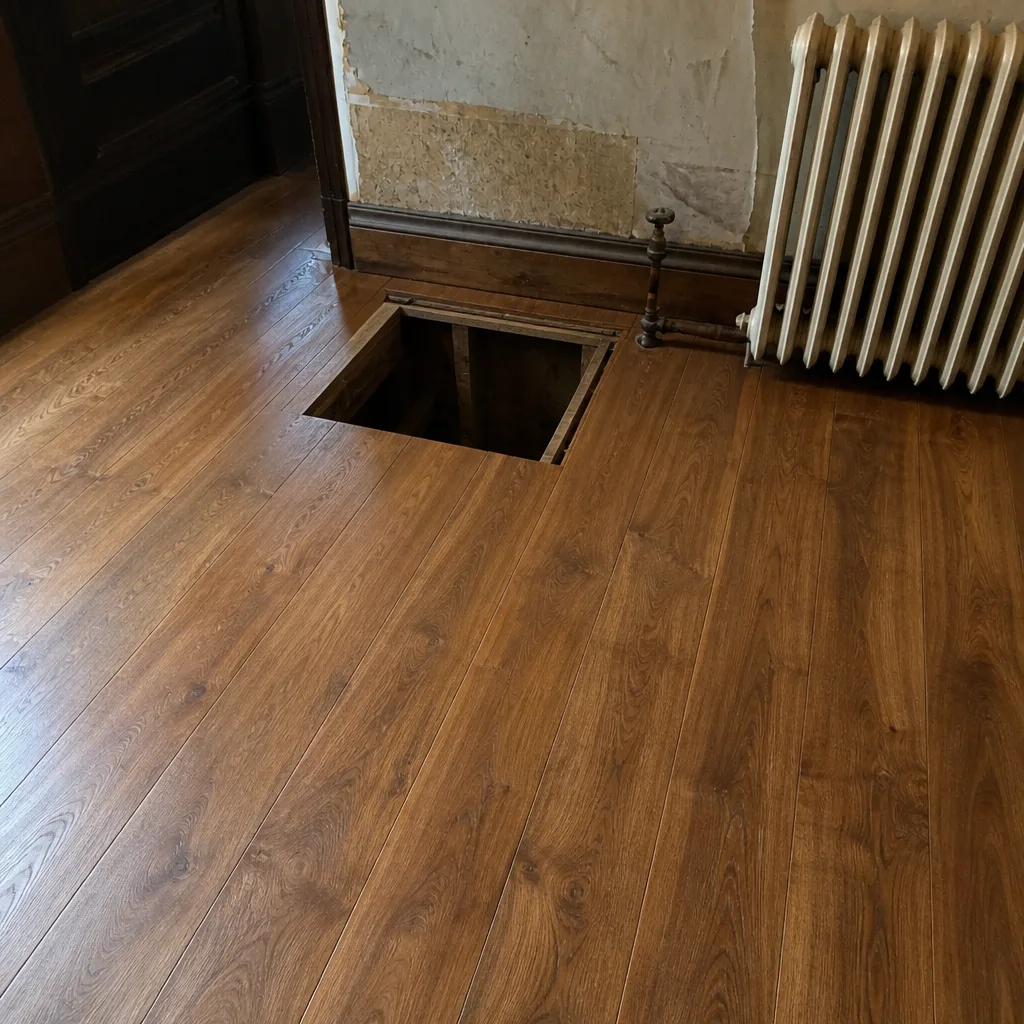
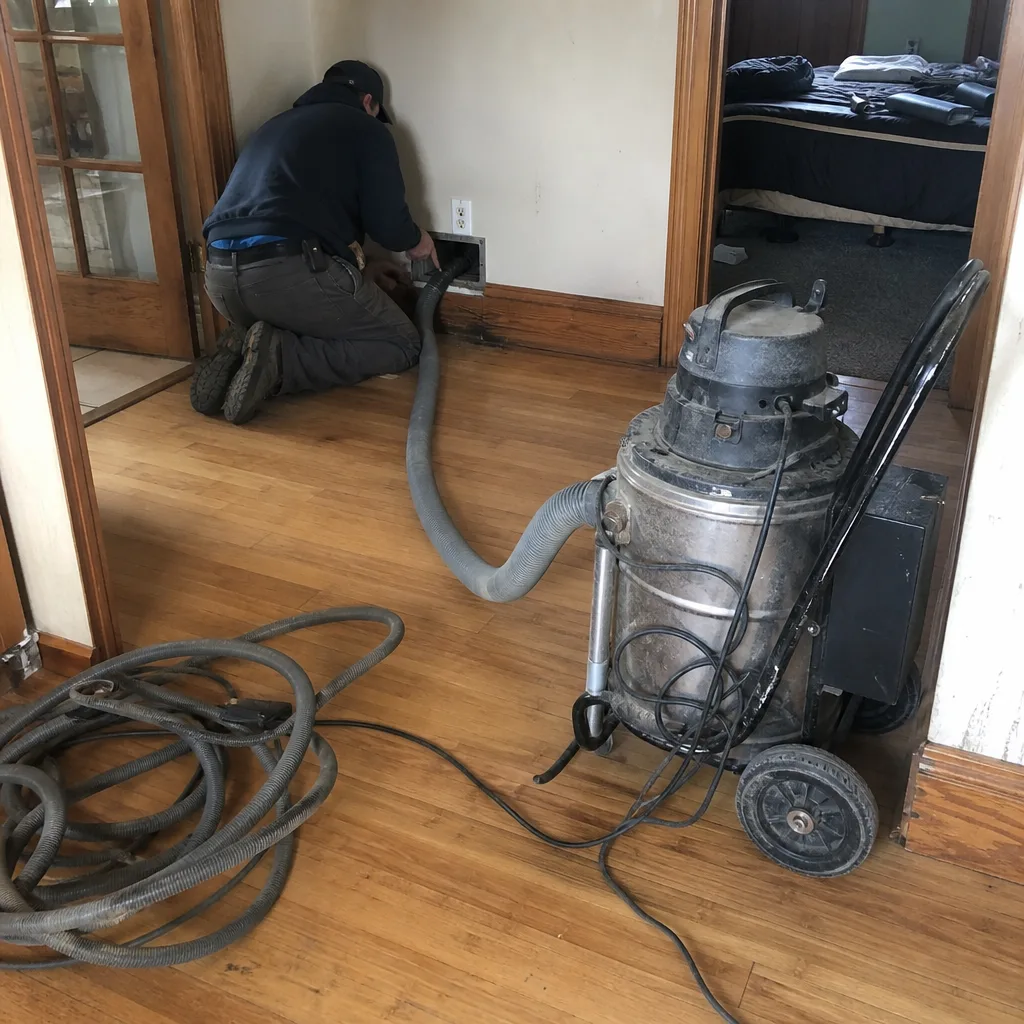
See the difference
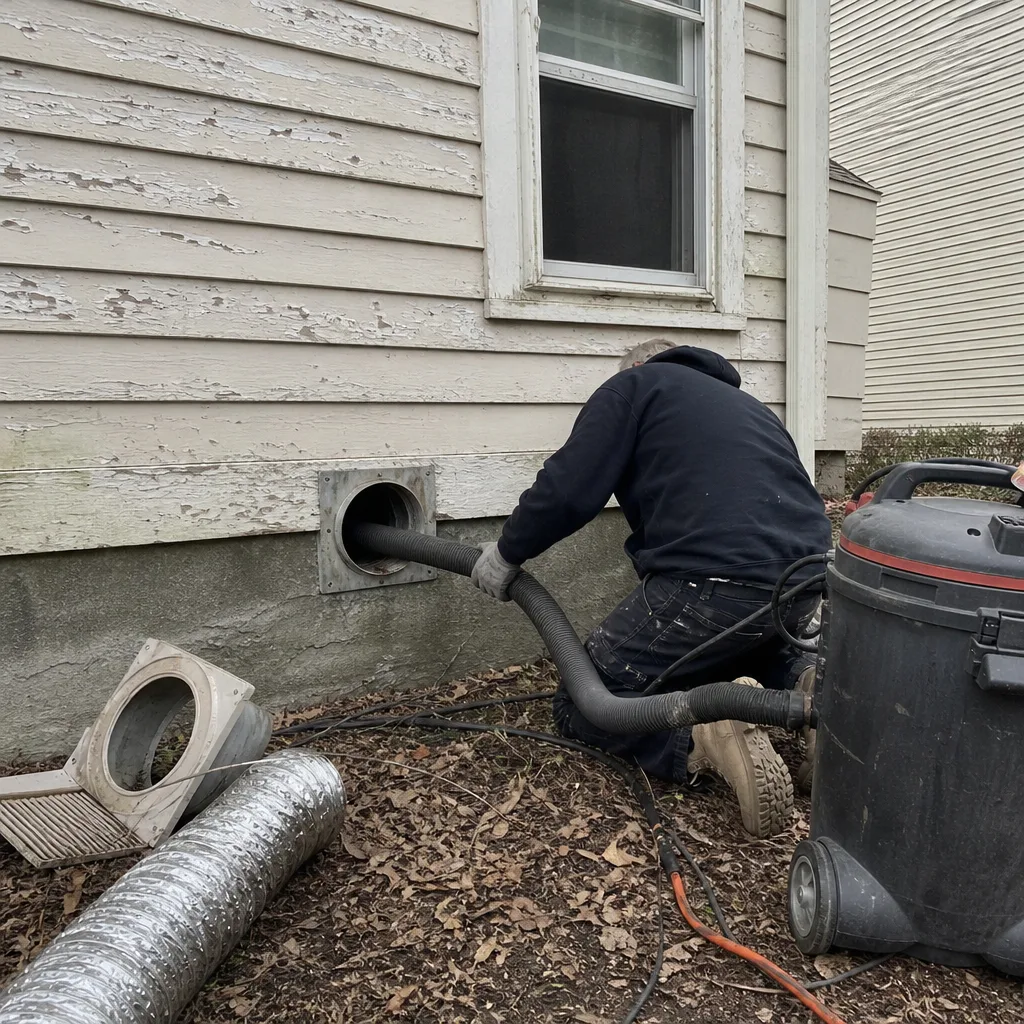 Before
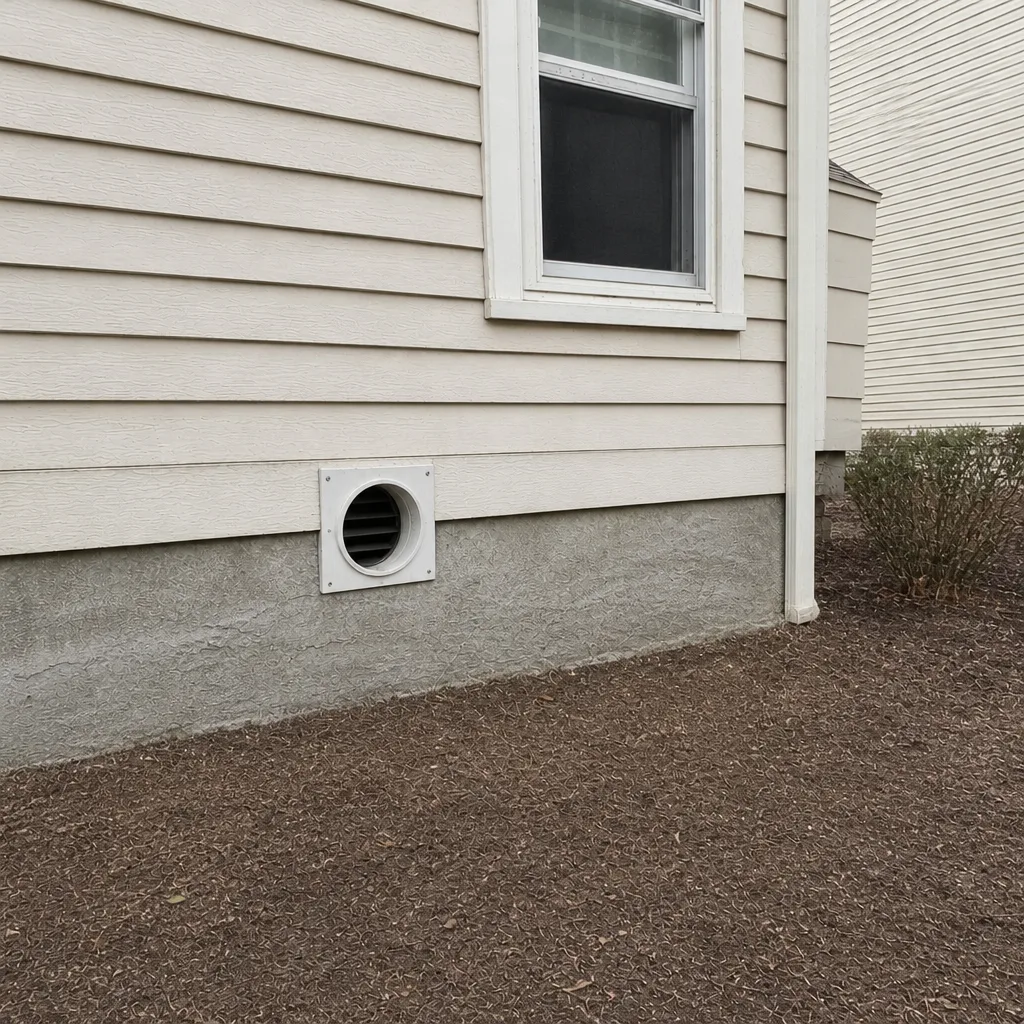 After
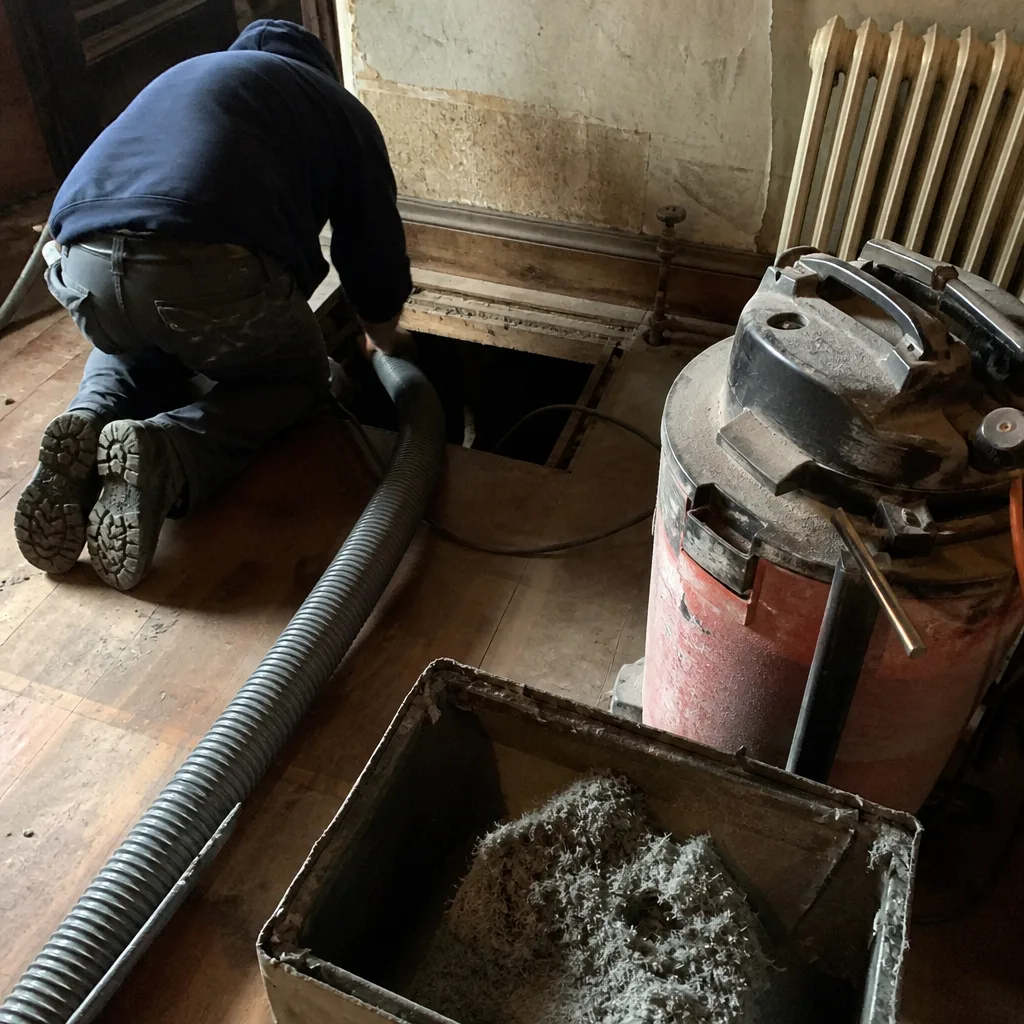 Before
 After
 Before
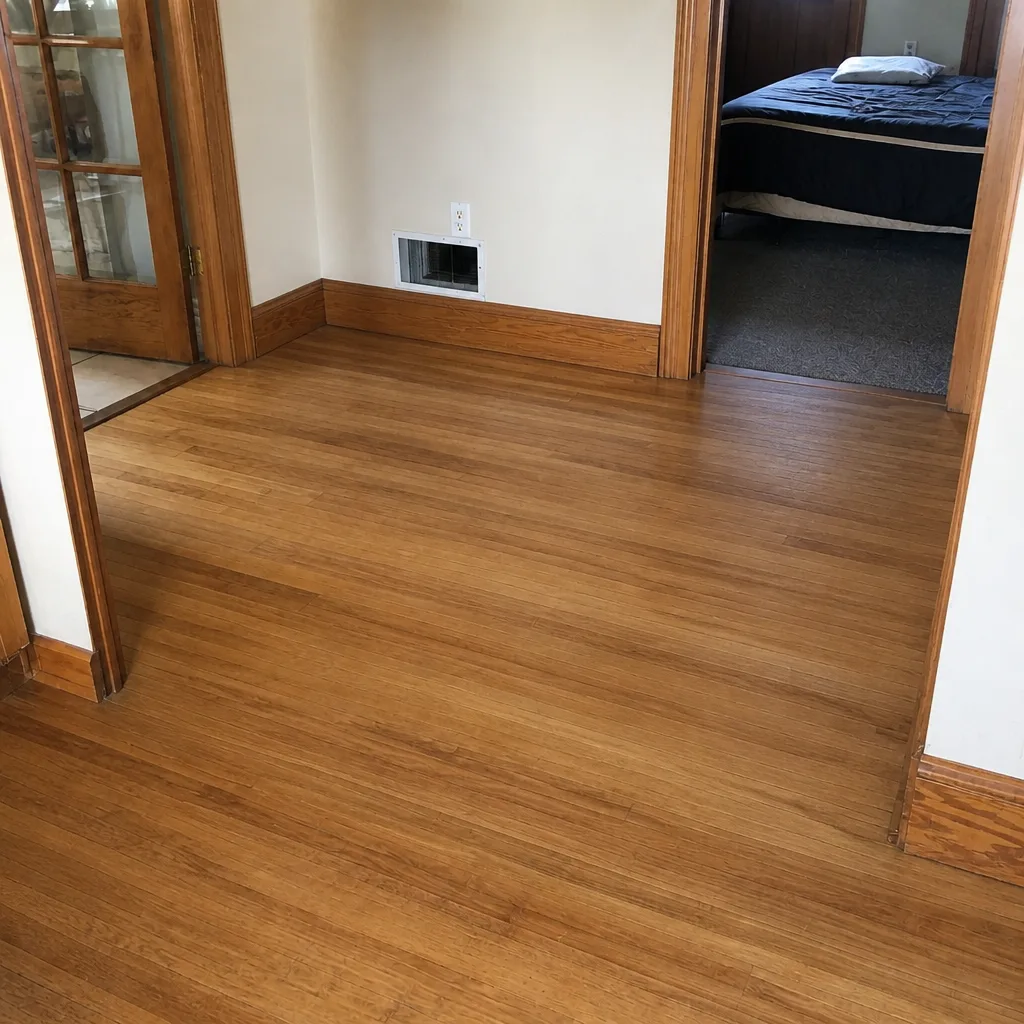 After
When to Call a Professional
Call a professional in any of these situations. You can’t reliably tackle them with home tools, and each will make the next one worse:
- You see visible growth, staining, or a dust mat inside the return-air duct.
- The first heating cycle brought a strong musty smell that didn’t fade in a day.
- The spring inspection found soot deposits or humidifier scale in the duct interior.
- Any duct run shows a visible joint gap, taped seam failure, or duct board damage.
- The coil drain pan or duct insulation shows a moisture problem you can’t correct at the source.
- You have a dryer vent concern and the duct run hasn’t been cleaned recently.
Duct Cleaning Providence offers free estimates in Providence – call (844) 542-8739. We answer 24/7, with fast dispatch from 7am to 7pm, Sunday through Friday. Our technicians have up to 13 years of experience and we come equipped with professional-grade equipment – Rotobrush contact cleaning, Nikro negative-pressure containment, Abatement Technologies HEPA equipment – and we can repair ductwork, not just clean it.
Frequently Asked Questions
Most Providence homes do best with a full cleaning once a year, scheduled in late summer before the first heating cycle, combined with four lightweight seasonal checkpoints (fall cleaning, winter filter/seal check, spring post-heating inspection, summer moisture audit). Homes with allergies, recent renovations, pets, or older duct board may need cleaning more frequently based on the inspection findings.
Fall is the higher-value cleaning window because it puts clean ducts in place before the first heating cycle, which is when accumulated summer dust gets redistributed. Spring is the better window for a post-heating inspection and any cleaning required by winter conditions. Many homeowners do the full cleaning in fall and use spring as an inspection-only visit.
Cleaning alone does not fix mold. The moisture source has to be corrected first – usually a drain pan issue, a clogged condensate drain line, or an insulation gap on the coil or duct. Once the moisture issue is fixed, HEPA-contained cleaning can reset the system. Call (844) 542-8739 for a diagnostic visit to identify the moisture source.
Late summer into early fall is typically the right window for older duct board systems, because the cleaning visit also allows time for a proper duct board inspection before the heating season compresses into the schedule. Winter cleaning is possible but requires the technician to manage sealant cure temperatures carefully and confirm the system interior is dry before restarting.
Your dryer vent is a separate system and needs its own cleaning, typically once a year for most households and more often for large families or homes with a long dryer vent run. It’s a fire-risk safety service, not a duct-cleaning add-on. Both can be planned on the same visit if you want to simplify the calendar.
A proper cleaning uses contact-cleaning tools to work the duct wall surfaces mechanically, then negative-pressure equipment to hold the contaminant column during removal, with HEPA filtration to capture fine particles so they don’t recirculate into living space. The visit also usually includes an inspection of duct condition, filter cabinet fit, and any visible moisture issues. Call (844) 542-8739 for a free estimate.
The Bottom Line
Providence’s climate gives your ducts four distinct stress cycles a year, not one. The fall cleaning before the first heating cycle catches the biggest volume; the winter sealing check protects against cold-weather failures; the spring inspection finds soot, scale, and filter bypass; and the summer moisture audit prevents a recurring mold problem that cleaning alone can’t solve. Use the seasonal calendar above as your actual plan. Skip the shop-vac improvisation. When the inspection points to work that needs professional-grade equipment – Rotobrush contact cleaning, Nikro negative pressure, Abatement Technologies HEPA containment – call (844) 542-8739. We clean it, we repair it, and we work with Honeywell and Aprilaire filtration where it improves the result. Our technicians have up to 13 years of experience. We answer 24/7, with fast dispatch from 7am to 7pm, Sunday through Friday. Free estimates in Providence.
Written by the team at Duct Cleaning Providence.