
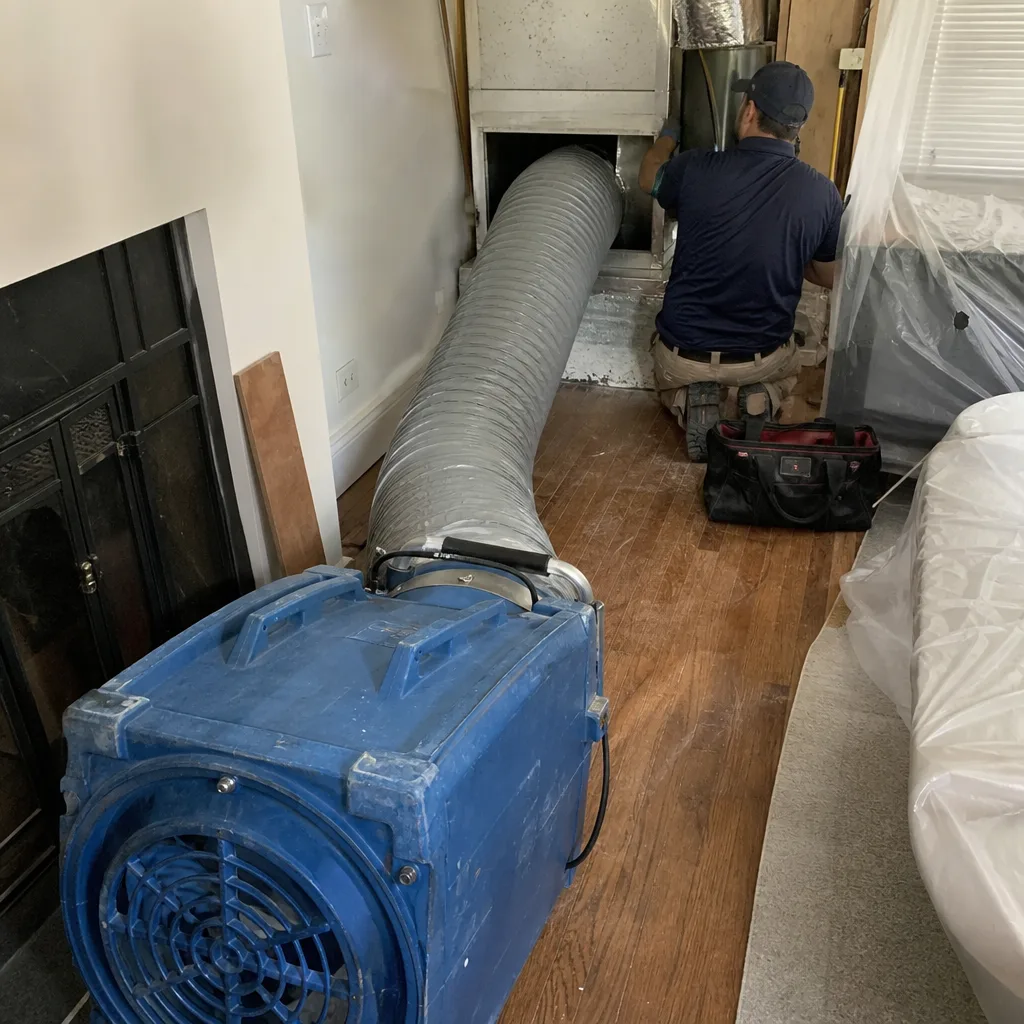
Last updated November 16, 2026
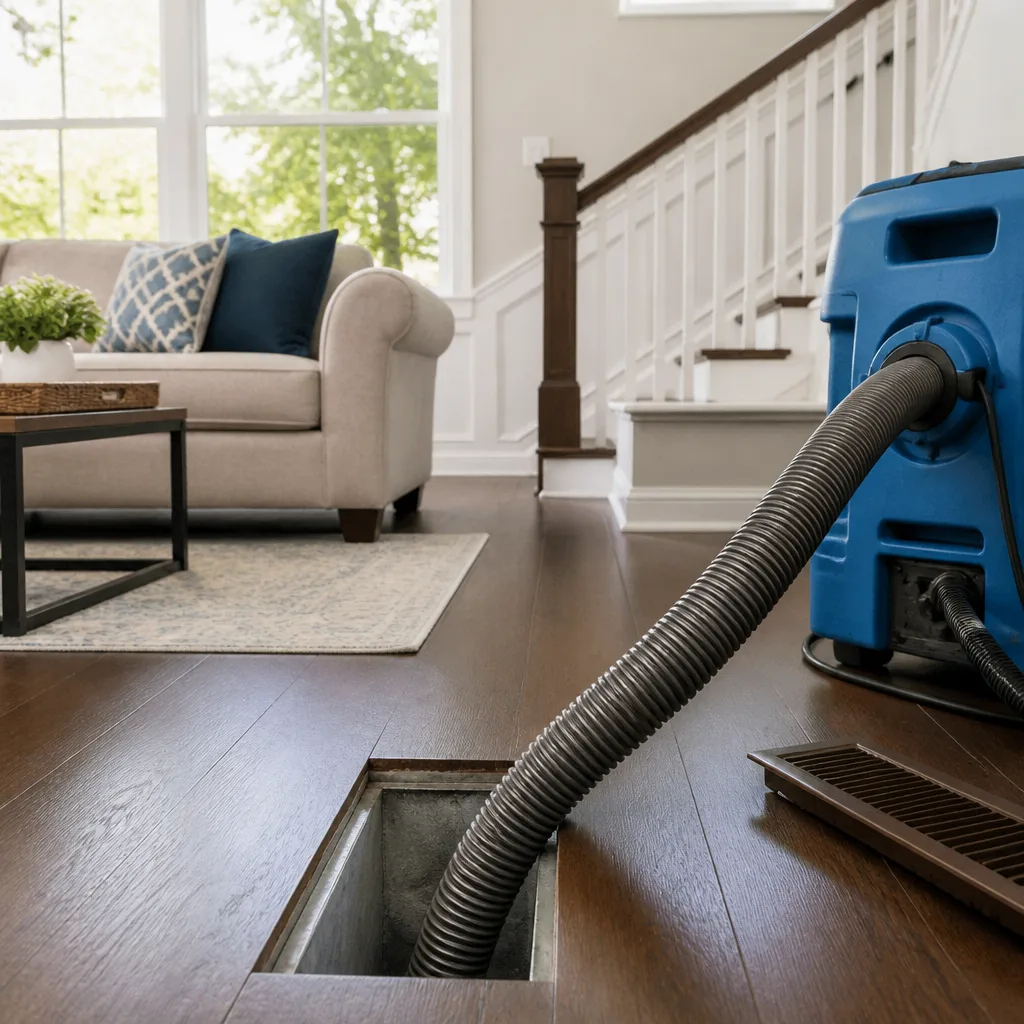 Whole-home duct cleaning
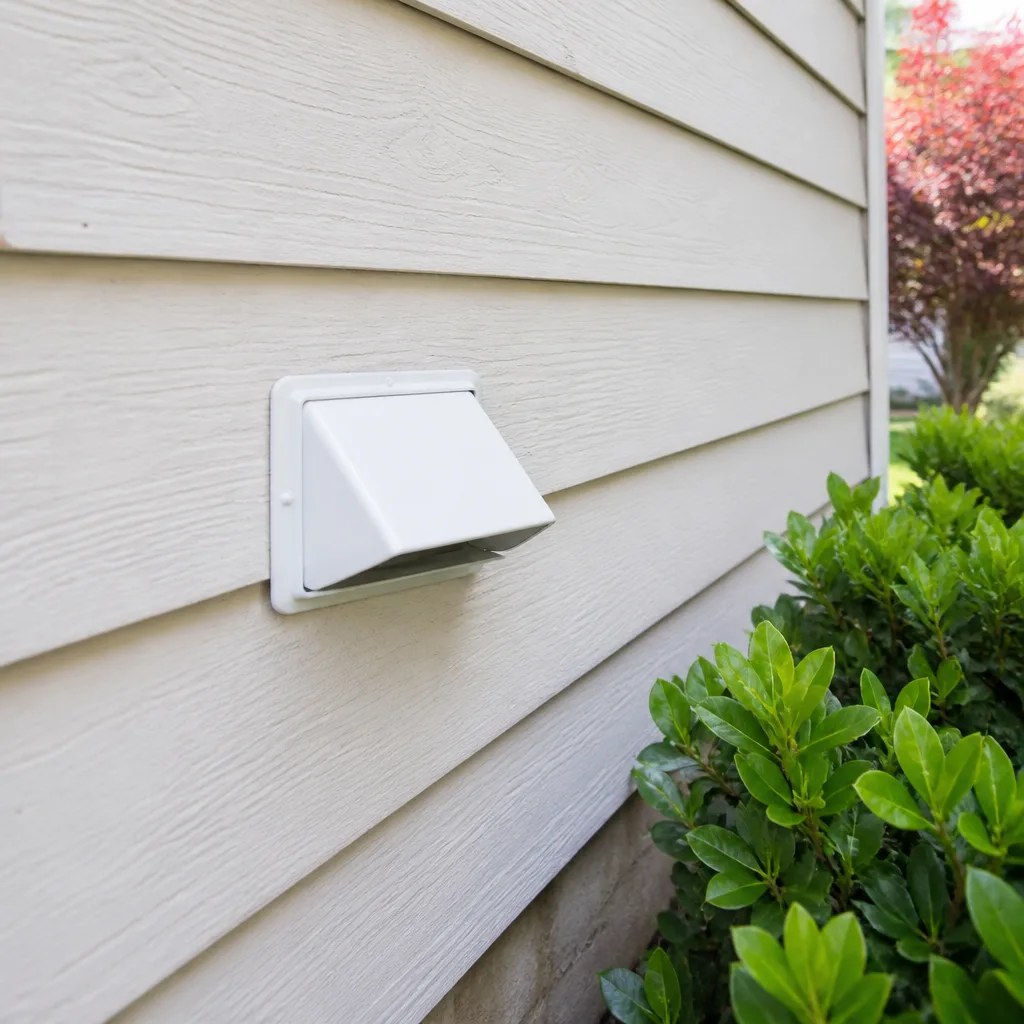 Dryer vent cleaning
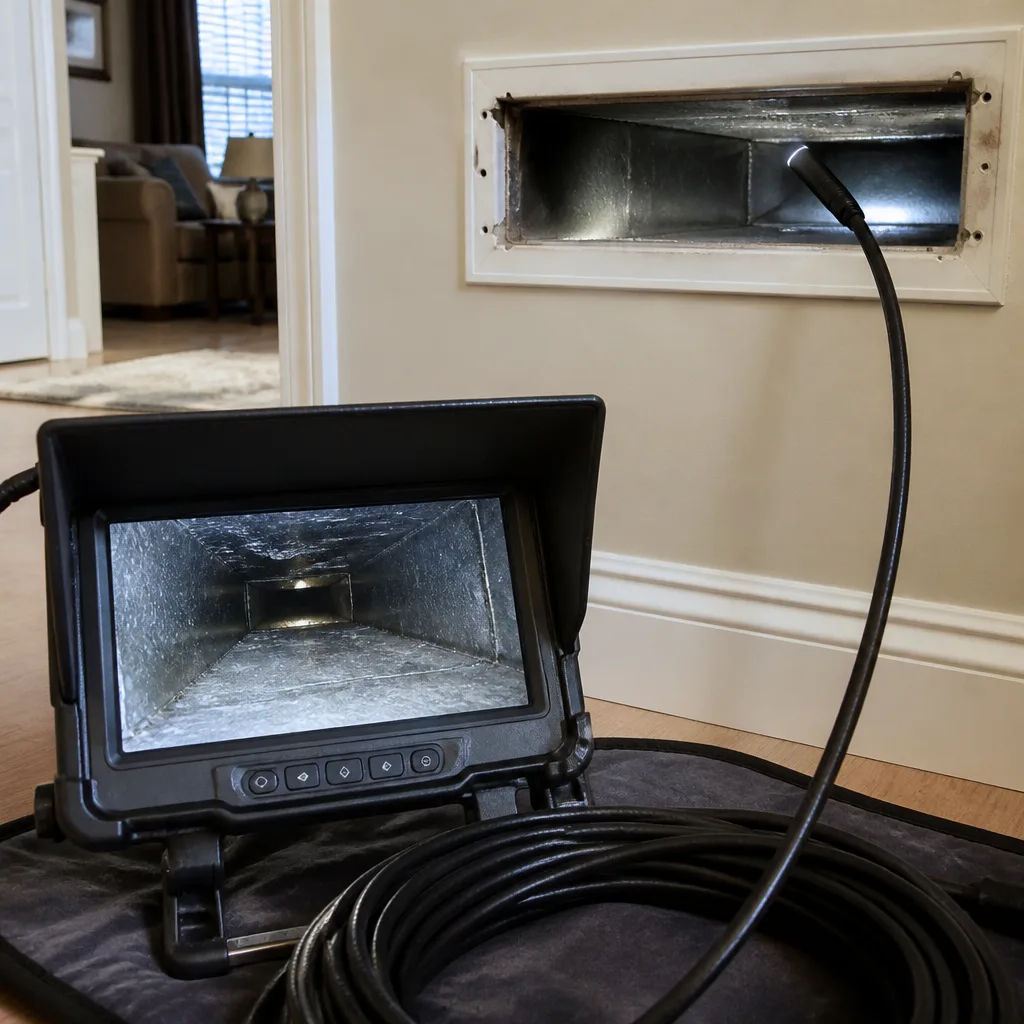 Camera inspection
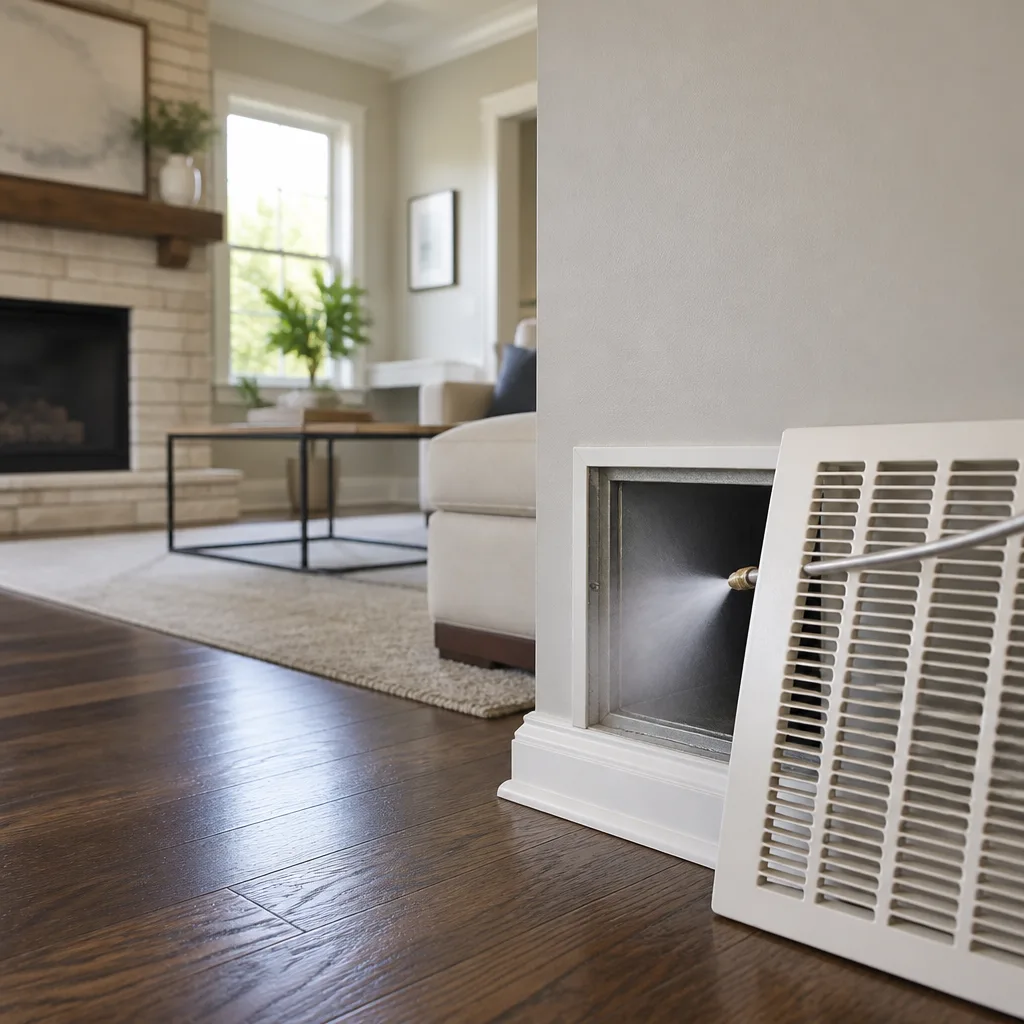 Sanitizing & deodorizing
Whole-system duct and dryer vent check with before-and-after photos - you see exactly what came out of your vents
That "$99 whole-house special" is a bait ad - the real number appears once they are in your hallway, or the "clean" is a shop-vac at the register. We photograph the inside of your ducts before and after instead.
Choosing the Right Air Duct Cleaning Brand: A Buyer’s Guide for Providence
Most homeowners choose a duct cleaning company by comparing quotes and reading reviews. Neither tells you much. The single best predictor of the work you’ll get is the equipment the company actually owns and operates, and almost nobody asks about it. When a company lists its equipment brands, that’s not name-dropping, it’s a claim you can check. Ask the technician to show you the serial numbers when the van pulls in. A company that can’t or won’t do that rarely owns what it advertises. This guide explains what the major equipment names mean, what they do differently, and how to verify any of it before you book in Providence.
Quick Answer
The right air duct cleaning company in Providence is the one that owns professional-grade equipment, uses negative pressure to contain dust during the job, can repair ductwork it finds damaged, and will show you proof of all three. Ask for equipment brand names and serial numbers, ask how they contain debris, and ask whether they repair ducts or only clean them. A company that answers all three clearly is worth hiring. One that dodges the questions is not.
Styles & brands we work with
- Whole-home duct cleaning
- Dryer vent cleaning
- Camera inspection
- Sanitizing & deodorizing
Table of Contents
- Why Equipment Is the Most Honest Signal You’ll Get
- What Rotobrush Contact Cleaning Actually Does
- Nikro Negative Pressure and CFM Ratings Explained
- How HEPA Containment Stops Cross-Contamination
- The Questions That Verify What a Contractor Owns
- Why Full-Service Repair Capability Changes the Value
- Filtration Brands and What They Signal
- The Dryer Vent Question Most Duct Cleaners Skip
Why Equipment Is the Most Honest Signal You’ll Get
Marketing copy is easy to write. Equipment is expensive to buy, maintain, and train technicians to run. That gap is useful to you as a buyer. A company that spent real money on a Rotobrush system, a Nikro negative-pressure unit, and an Abatement Technologies HEPA containment setup had to justify that cost internally and had to train people to operate it. A company working out of a shop-vac and a compressor made neither commitment.
The difference shows up right at your registers. Residential-grade vacuums pull too little air volume to lift settled dust from long horizontal duct runs, and they have no filter fine enough to trap what they do pull. If you live in one of Providence’s older triple-deckers, where duct runs snake through unconditioned basement space and crawl spaces before reaching the second and third floors, that shortfall matters more than it does in a new build. The dust has had years to settle and cake, and a weak machine just disturbs the top layer.
Equipment also tells you whether a company can do something besides clean. When duct cleaning in Providence is done with proper tools, technicians can see inside the system and often find disconnected joints, crushed flex runs, or duct board that’s come apart. The company that owns only cleaning gear cleans and leaves. The company that owns repair tools can do something about what it finds.
None of this means the biggest equipment list wins. It means the equipment is the part of the pitch you can actually test. Here’s what to look for and what each piece does.
What Rotobrush Contact Cleaning Actually Does
Rotobrush systems work by contact. A rotating brush on a flexible shaft is fed through the duct, and it physically scrubs the duct walls while a simultaneous vacuum captures what it loosens. The brush reaches the surface. That’s the whole point, and it’s the difference between removing soil and redistributing it.
Compare that to air-whip or compressed-air methods, which are the common shortcuts in this trade. An air whip is a hose that flails around inside the duct blowing high-pressure air. It loosens dust, but it doesn’t scrub anything off the wall. On heavily soiled duct board, the kind you’ll find in older Providence homes and in properties that have had years of pets or smokers, compressed air mostly breaks the crust loose and sends it downstream. If the containment isn’t strong, some of it comes back out your registers.
Rotobrush contact cleaning does something different on duct board specifically. Duct board is a fibrous, semi-porous material, and soil settles into the surface rather than sitting on top of it. A brush works that surface. A puff of air doesn’t.
There’s a secondary benefit that homeowners notice after the fact. Because the brush and vacuum work together in one pass, technicians can watch what comes up and identify problem zones, areas where the brush keeps pulling debris even after several passes. That’s usually a sign of a leak, a collapsed section, or a joint that’s separated. It’s information you can act on.
Ask any duct cleaning company two questions about their cleaning method. Do they use a contact brush system, and is it Rotobrush or something equivalent? Then ask what happens when the brush keeps pulling debris after multiple passes, and see if the answer mentions inspection and repair or just another pass.
Nikro Negative Pressure and CFM Ratings Explained
CFM stands for cubic feet per minute, and it’s the measure of how much air a negative-pressure machine moves. It matters because negative pressure is what keeps dust inside the duct and the machine instead of puffing out into your living room while technicians work. Bigger homes with longer duct runs need more of it.
Nikro machines are rated highly enough to hold negative pressure across a full residential system, including long trunk runs. In a compact apartment that’s straightforward. In a larger Providence home, especially one of the older multi-story houses on the East Side or in Elmhurst where the duct system is sprawling and has multiple branches, you need a machine that can pull from the farthest register and still keep the whole system under negative pressure. A machine that can’t means the far registers go barely cleaned while the near ones get the full treatment.
Negative pressure also protects the rest of the house. Without it, dislodged dust floats into the rooms where you eat and sleep. With it, everything is drawn toward the collection point and trapped in a filter.
Two things to check when a company brings up their negative pressure equipment:
- Is it one machine or several? Large systems often need staged work that a single smaller unit can’t handle in one pass.
- What’s the filter setup? The CFM rating is only as useful as the filter the air passes through. Ask what filter class they run and how often it’s changed.
We’ve heard this framed as a technicality. It isn’t. The negative-pressure setup determines how much of the work actually happens inside your ducts versus in your hallway.
How HEPA Containment Stops Cross-Contamination
HEPA containment is a filtering system that traps very fine particles, including the kinds released during cleaning. Abatement Technologies builds HEPA filtration equipment used in restoration and remediation work where air quality control is critical, and that’s the class of equipment you want on a duct job in a home where someone has allergies or asthma.
The point is cross-contamination between the zone being cleaned and the zone that’s already clean. During a proper cleaning, technicians work through the system in an order that keeps the cleaned sections isolated from the sections still being worked. Without HEPA filtration and proper zoning, dust from a dirty run can drift back into sections that were just cleaned, undoing the work.
This also matters after a renovation. Drywall dust, sawdust, and construction debris settle deep into ducts, and blowing it around without containment just spreads it. A HEPA setup keeps it captured. In a Providence home that just came out of a kitchen gut or a basement finish, that’s the difference between air quality improving and air quality getting worse.
When you call a company, ask how they contain debris during the job. If the answer mentions HEPA filtration, ask what brand. If the answer is vague, that’s your answer.
The Questions That Verify What a Contractor Owns
This is the part most homeowners skip, and it’s the single most useful thing in this guide. Equipment brand names are only meaningful if the equipment shows up on the day of the job, owned by the company, and operated by the technicians doing the work. That’s a testable claim.
Ask these questions before you book, and again when the technician arrives:
- Can you show me the serial numbers on your equipment when you arrive? Companies that own their gear can. Companies that rent or borrow it usually can’t.
- What is the cleaning method on the machine you’ll bring? Contact brush, air whip, or something else. Listen for Rotobrush or a specific equivalent, not just a general description.
- What is the CFM rating on your negative-pressure unit? A real number is better than a phrase.
- What containment do you use? HEPA filtration, brand name if they have it.
- What happens if you find damaged ductwork during cleaning? Whether they can repair it or only report it.
- Does the same crew do dryer vent cleaning? Many duct companies don’t, and it’s a safety issue worth addressing while they’re there.
None of these questions require you to know HVAC. They just require the company to answer specifically. A vague answer on any of the first four is a signal. A clear answer on all six is a very good sign.
Why Full-Service Repair Capability Changes the Value
Air duct cleaning finds things. Duct board that’s separated at a seam, flex duct that’s crushed or disconnected, joints that have pulled apart under a floor, sections with visible damage. Cleaning alone can’t address any of it. So a company that can only clean is a company that shows you the problem and hands you a list of other contractors to call.
A full-service company cleans, repairs, and then verifies the system is sealed. That’s meaningfully different in two ways:
- It saves you a second visit. A separate contractor has to be scheduled, quoted, and brought out. A full-service company can handle repair during the same job.
- It captures problems while the system is open. Once the cleaning pass is done and the ducts are accessible, a technician who can repair sees the damage in context and fixes it with the system already exposed.
This is where the three-beat worth keeping in mind applies. We clean it, we repair it, we improve it. Cleaning handles what’s in the duct. Repair handles what’s wrong with the duct. Improvement handles the filtration that keeps it cleaner longer. A company that does all three gives you a system that’s better off after the visit, not just one that had dust pulled out of it. That’s the air duct cleaning relationship worth having.
The other side of this is worth stating plainly. A company that cleans but can’t repair can’t tell you whether a duct leak is actually affecting your air quality, only that it exists. You then have to pay separately to find out whether it mattered. Ask upfront.
Filtration Brands and What They Signal
Cleaning is a reset. Filtration is what keeps the system from returning to its previous state. Companies authorized to recommend and work with Honeywell and Aprilaire filtration products can offer something cleaning alone can’t: a path to sustained air quality.
That matters more in older Providence homes than in newer construction, because older duct systems tend to run through unconditioned spaces and pick up more particulate before it reaches the register. A better filter setup, sized properly to the system, catches more of what would otherwise settle back into the ducts. It also puts less strain on the HVAC equipment.
Here’s the part to watch for. Plenty of contractors will recommend a filter. The question is whether they understand your system well enough to size it correctly and install it without restricting airflow. A filter that’s too restrictive can hurt system performance. A filter that’s undersized won’t do much. Companies with the Honeywell and Aprilaire relationship have been through the manufacturer’s specification work, and that’s a reasonable proxy for getting it right.
When you’re quoted on filtration, ask three things: what filter class, what MERV rating, and how it’s sized for your system. If any answer is fuzzy, push back.
The Dryer Vent Question Most Duct Cleaners Skip
Dryer vent cleaning is a fire-safety service. Lint accumulates in the vent line and, given enough heat and time, ignites. It’s one of the more common causes of residential house fires in the United States, and it’s almost entirely preventable. Many pure duct cleaning companies don’t offer the service. When you’re comparing companies, ask.
The job itself is straightforward. A long brush and vacuum pull accumulated lint from the vent line between the dryer and the exterior termination. If the line is long, has multiple elbows, or runs behind finished walls, it needs proper equipment. Consumer dryer vent brushes sold at hardware stores don’t reach far and don’t pull firmly enough to remove caked lint.
Look for a company that treats this as a scheduled service rather than an upsell. Ask three things:
- How do they reach the full length of the vent line?
- How do they contain the lint they pull out?
- Do they inspect the exterior termination and the transition duct behind the dryer?
If you own a property in Providence and rent it to others, dryer vent cleaning on a scheduled basis is one of the more responsible maintenance items you can do. Lint load builds up steadily, and a vent that was fine three years ago may not be now. If it’s been a while, add dryer vent cleaning to the same visit and get it done.
Common Mistakes to Avoid
- Comparing quotes by price alone. A low quote usually reflects lower-grade equipment, not a better deal. Ask what equipment is included before you compare numbers, because the numbers mean nothing without that context.
- Assuming a big brand name in the ad means the equipment is on the truck. Verify at the door with the serial number. Provincial marketing claims are common in this trade.
- Not asking about containment. A cleaning without HEPA containment and proper negative pressure can leave the house dustier than it started. Ask specifically.
- Hiring a cleaner who can’t repair. If a technician finds a crushed flex run or a separated joint, you’ll want someone who can fix it during the same visit rather than hand you a referral.
- Skipping the dryer vent. A duct cleaning visit is the natural time to address the dryer vent. Booking them separately wastes a visit.
- Ignoring the filter question. Cleaning without upgraded filtration is a reset without a plan to stay clean. Ask what filter setup makes sense for your system.
- Booking without asking about speed and scheduling. Duct cleaning is a scheduled service and needs a real time slot, not a rushed job between appointments. Confirm the visit length and what will be done.
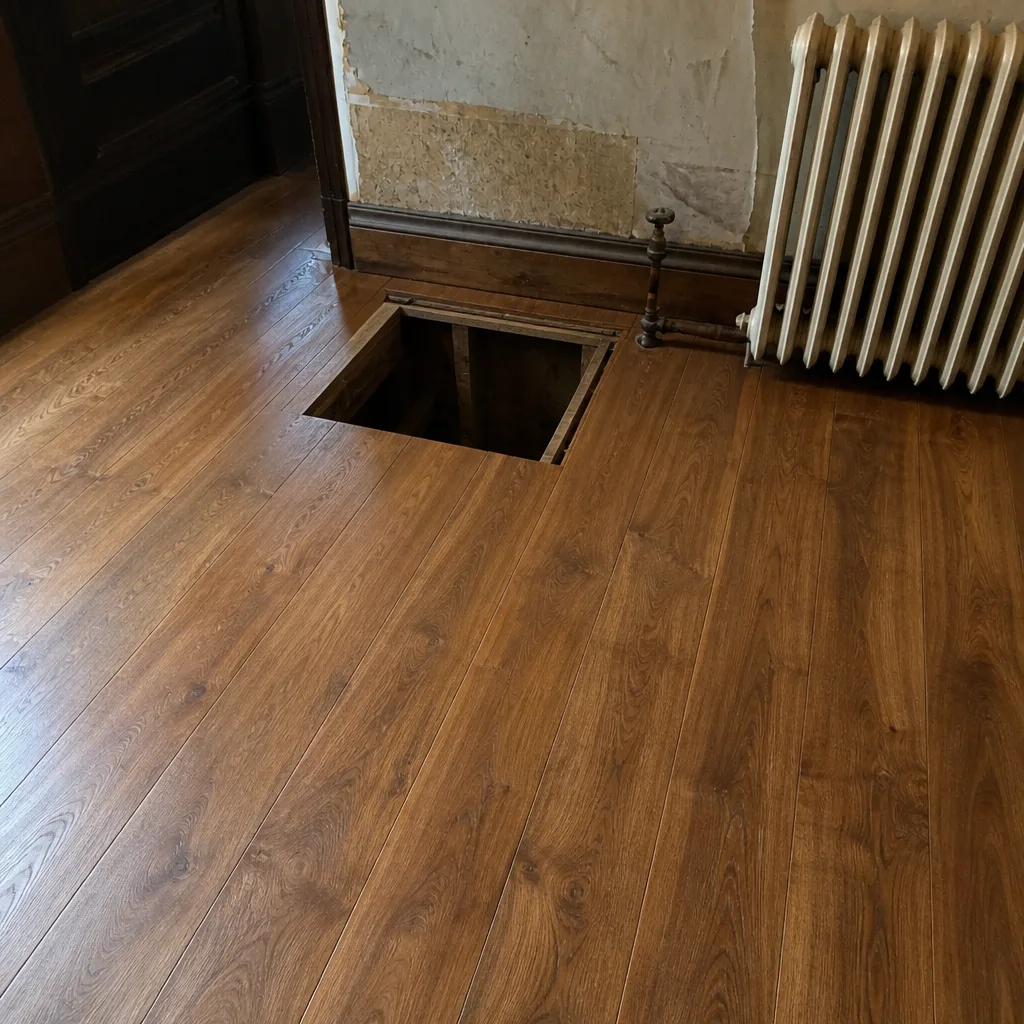
See the difference
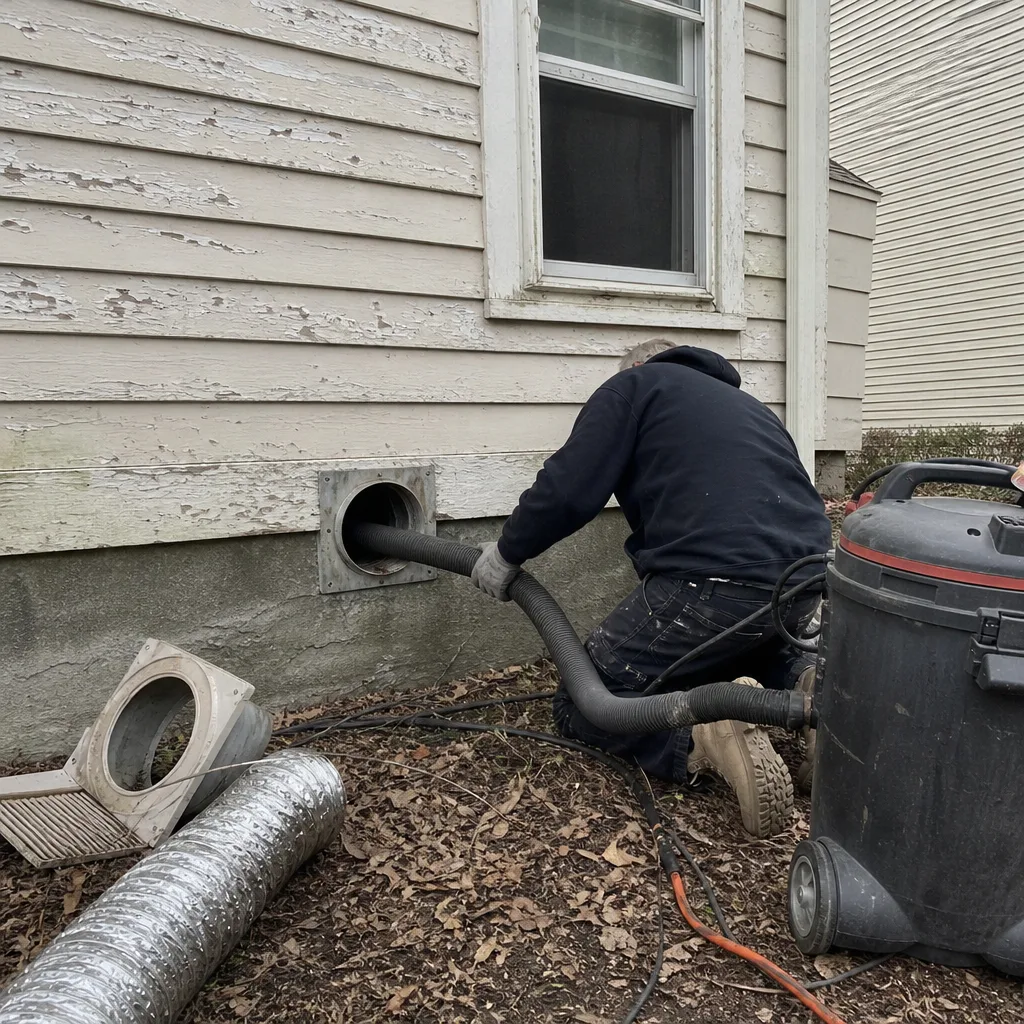 Before
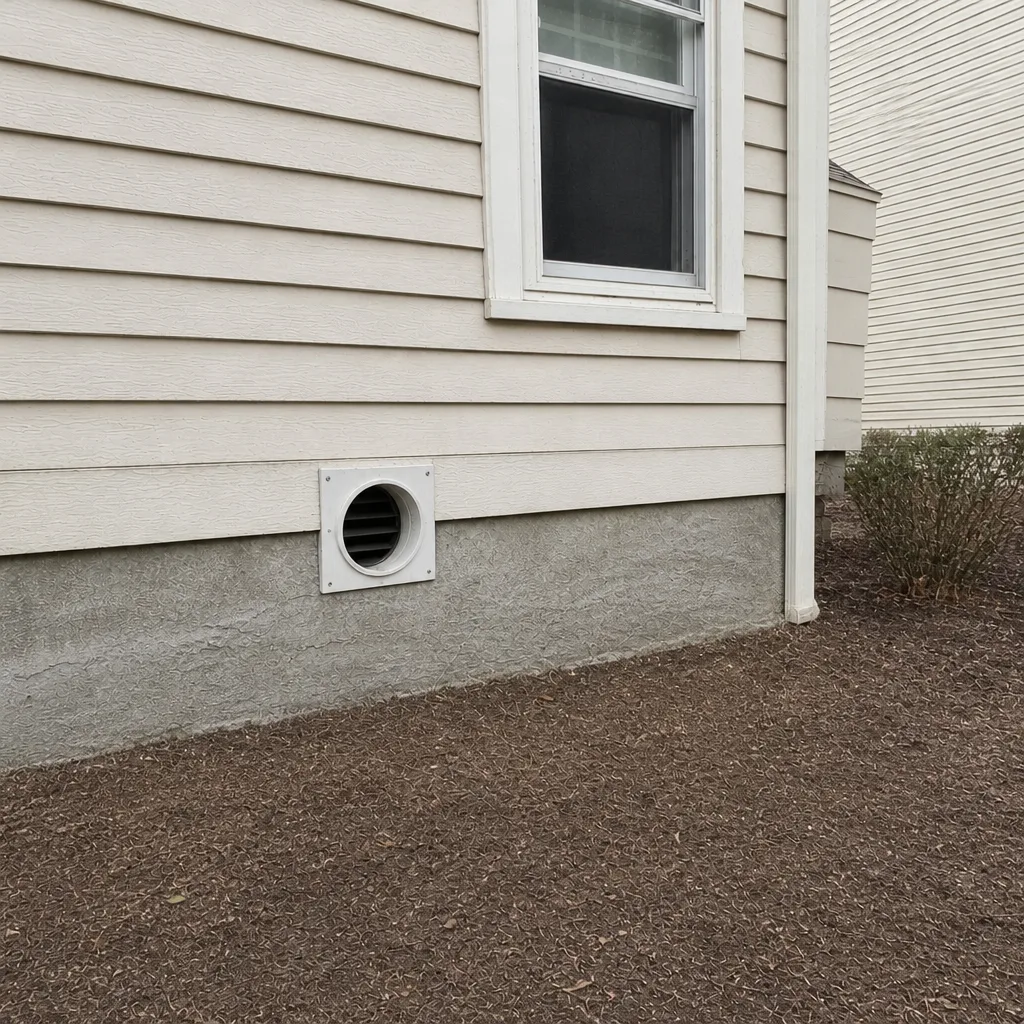 After
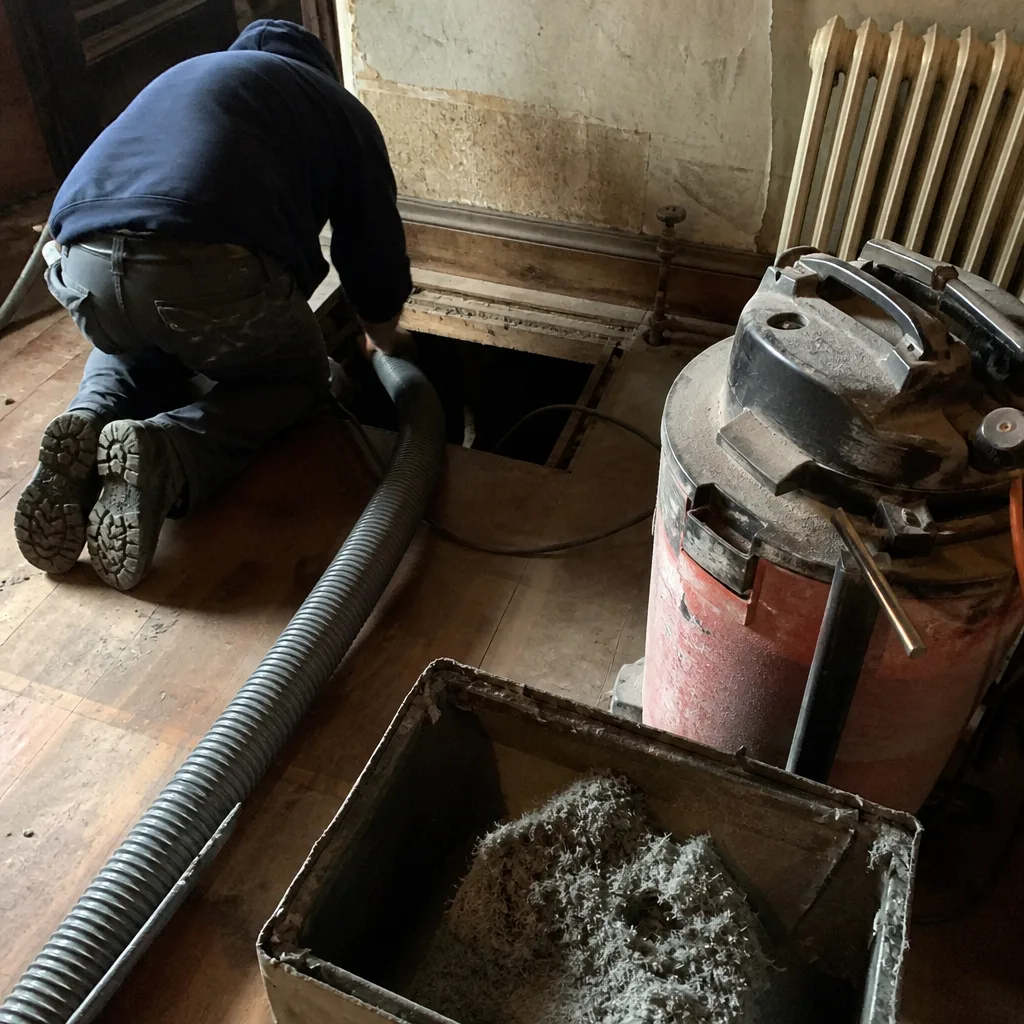 Before
 After
 Before
 After
When to Call a Professional
Call a professional when you notice visible dust blowing from registers when the system starts, when a recent renovation left debris in the ducts, when someone in the house has allergies or asthma that seem tied to indoor air, or when it’s been several years since the system was last cleaned. Also call when the dryer is taking longer than it used to dry a load, when the exterior vent flap doesn’t open fully, or when you can see lint buildup behind the dryer. If you’ve just bought a Providence home and don’t know the duct history, a professional inspection answers that in one visit. Duct Cleaning Providence offers free estimates in Providence. Call (844) 542-8739.
We answer 24/7. Fast dispatch from 7am to 7pm, Sunday through Friday.
Frequently Asked Questions
Cost depends on the size of the system, the number of registers, the level of soiling, and whether repair work is needed. We don’t quote per-vent pricing or coupon teasers because those numbers don’t reflect what the job takes. Call (844) 542-8739 for an exact quote. We set one flat price per system agreed before any work starts, and estimates are free.
Cheaper quotes usually reflect consumer-grade vacuums, no HEPA containment, and a crew that can only clean. Those setups do less work, which is why they cost less. The invoice at the end of a cheap job sometimes looks different from the quote you got up front. Ask what equipment is included before you compare prices. Call (844) 542-8739 to walk through ours.
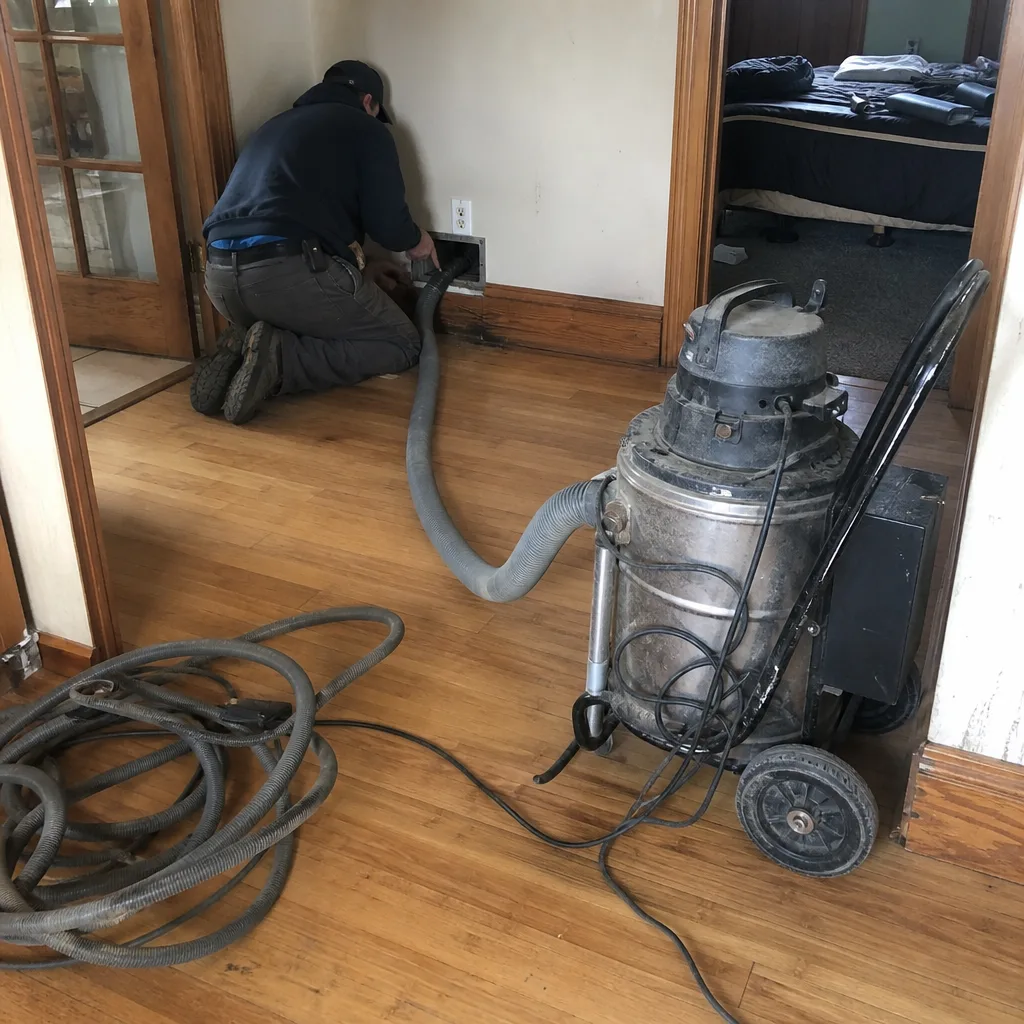
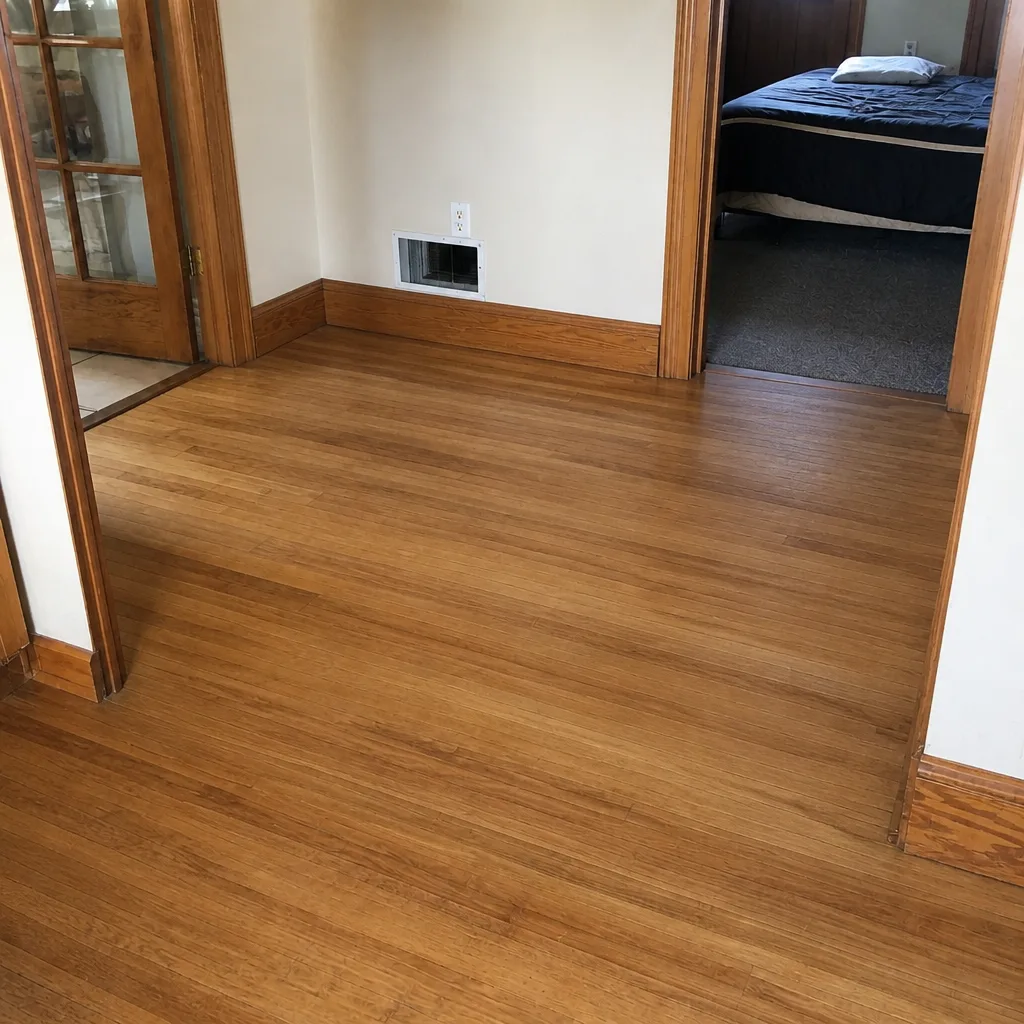
Ask for before-and-after photos of your own ducts. Any company doing real work can show them. We photograph your system before cleaning and after, and those photos go in your file. Call (844) 542-8739 to see what a before-and-after set looks like for a system like yours.
Most homes benefit from cleaning every few years, and homes with pets, smokers, allergy sufferers, or recent renovation should consider it more often. There’s no universal schedule, because soiling depends heavily on the home. Ask during the estimate and we’ll give you a realistic interval based on what we see. Call (844) 542-8739 for a free estimate.
Yes, because it determines whether dust is removed or just redistributed. Rotobrush contact cleaning scrubs the duct wall, Nikro negative-pressure machines hold the system under pressure during the job, and Abatement Technologies HEPA equipment captures fine debris. Consumer equipment does none of that as effectively. Call (844) 542-8739 with questions about our specific equipment.
We repair it. Air duct repair is one of our three services, and it’s the reason we built the equipment inventory the way we did. When cleaning reveals separated joints, crushed flex runs, or duct board damage, technicians can diagnose it and fix it during the visit. Call (844) 542-8739 to discuss what a repair visit would involve.
Yes. Dryer vent cleaning is a core service, not an add-on. Lint buildup in the vent line is a real fire risk, and it’s inexpensive to address during a duct cleaning visit. Ask about it during the estimate. Call (844) 542-8739 to include dryer vent cleaning in your appointment.
Yes. We’re authorized to recommend and work with Honeywell and Aprilaire filtration products. During an estimate, we can walk through what filter setup fits your system and whether the current one is undersized or too restrictive. Call (844) 542-8739 if you’d like to talk through filtration options.
The Bottom Line
Equipment is the most honest signal in the duct cleaning trade. When a company owns Rotobrush, Nikro, and Abatement Technologies gear, it has made investments that show up in the work. When it can repair what it finds, its cleaning visit is more useful than one from a company that can only clean. When it treats dryer vent cleaning as a safety service and carries filtration partners like Honeywell and Aprilaire, it can improve a system rather than just reset it.
Ask the questions. Check the serial numbers. Request before-and-after photos. If you’re ready to talk about Providence duct work, duct repair, or dryer vent cleaning, call us.
Call (844) 542-8739 for a free estimate. We answer 24/7. Fast dispatch from 7am to 7pm, Sunday through Friday. One flat price per system, agreed before work starts. Before-and-after photos of your own ducts. Licensed and insured. Our technicians have up to 13 years of experience.
Written by the team at Duct Cleaning Providence.