
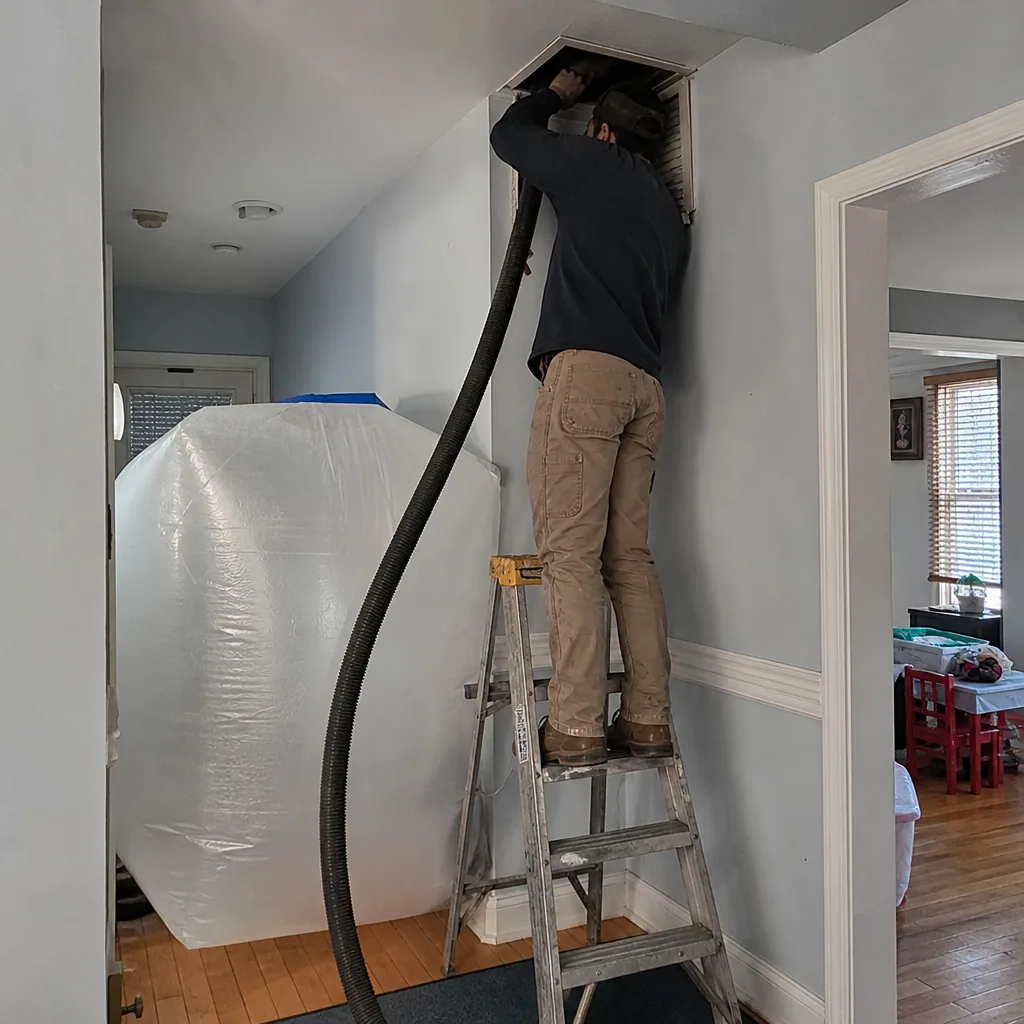
Last updated November 16, 2026
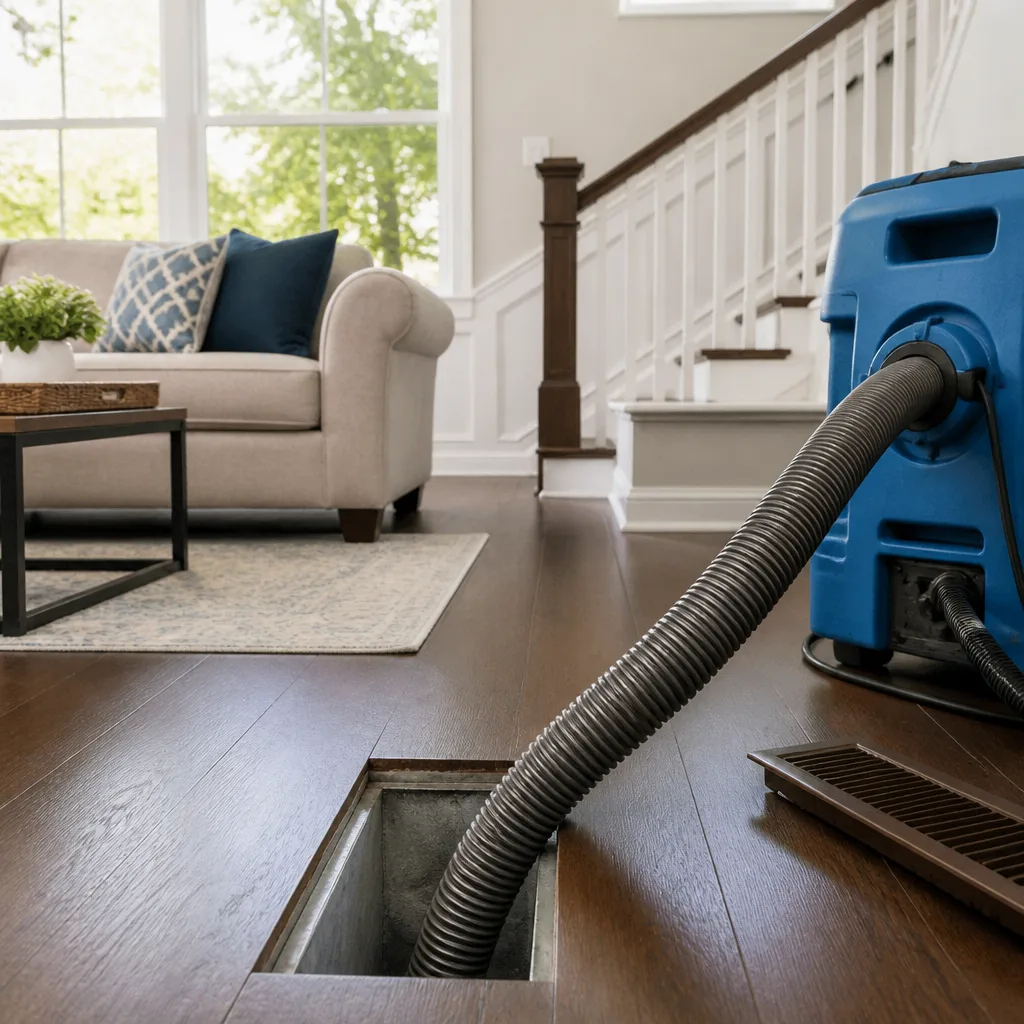 Whole-home duct cleaning
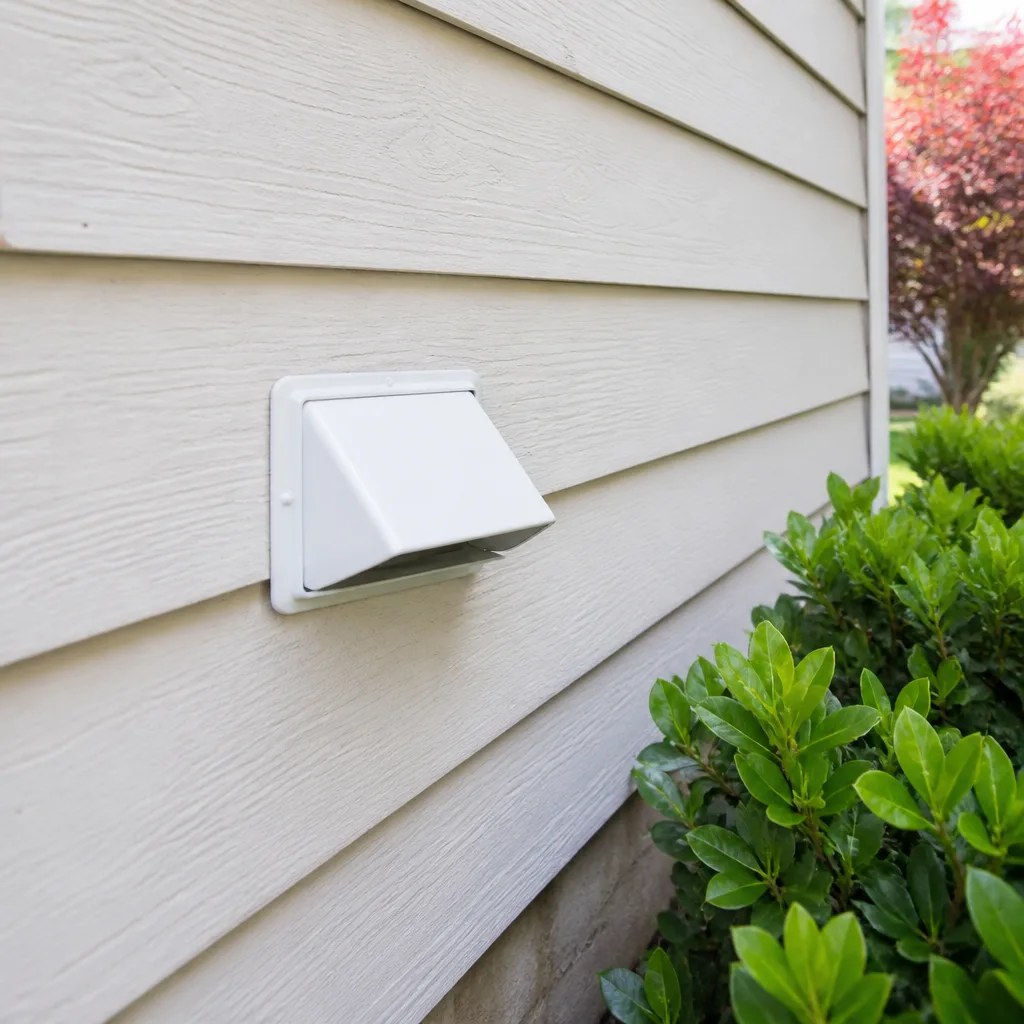 Dryer vent cleaning
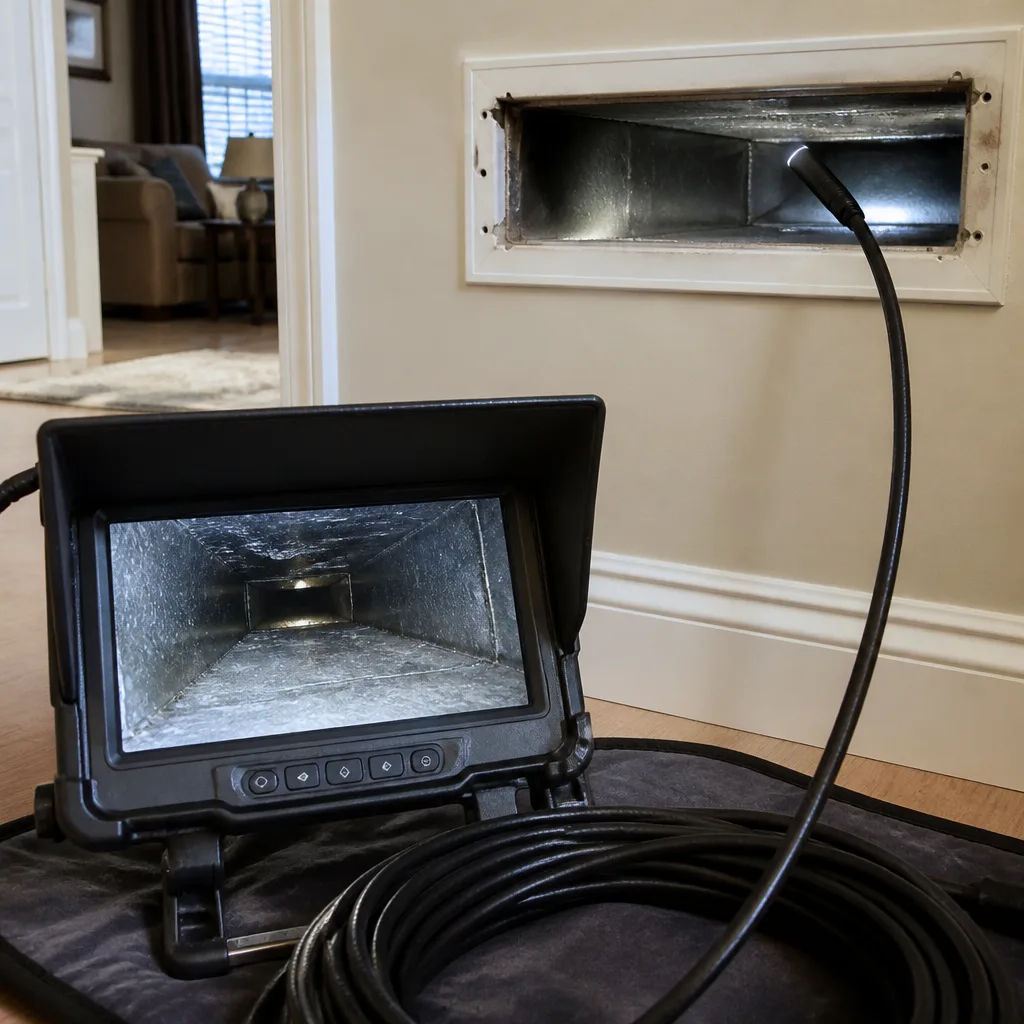 Camera inspection
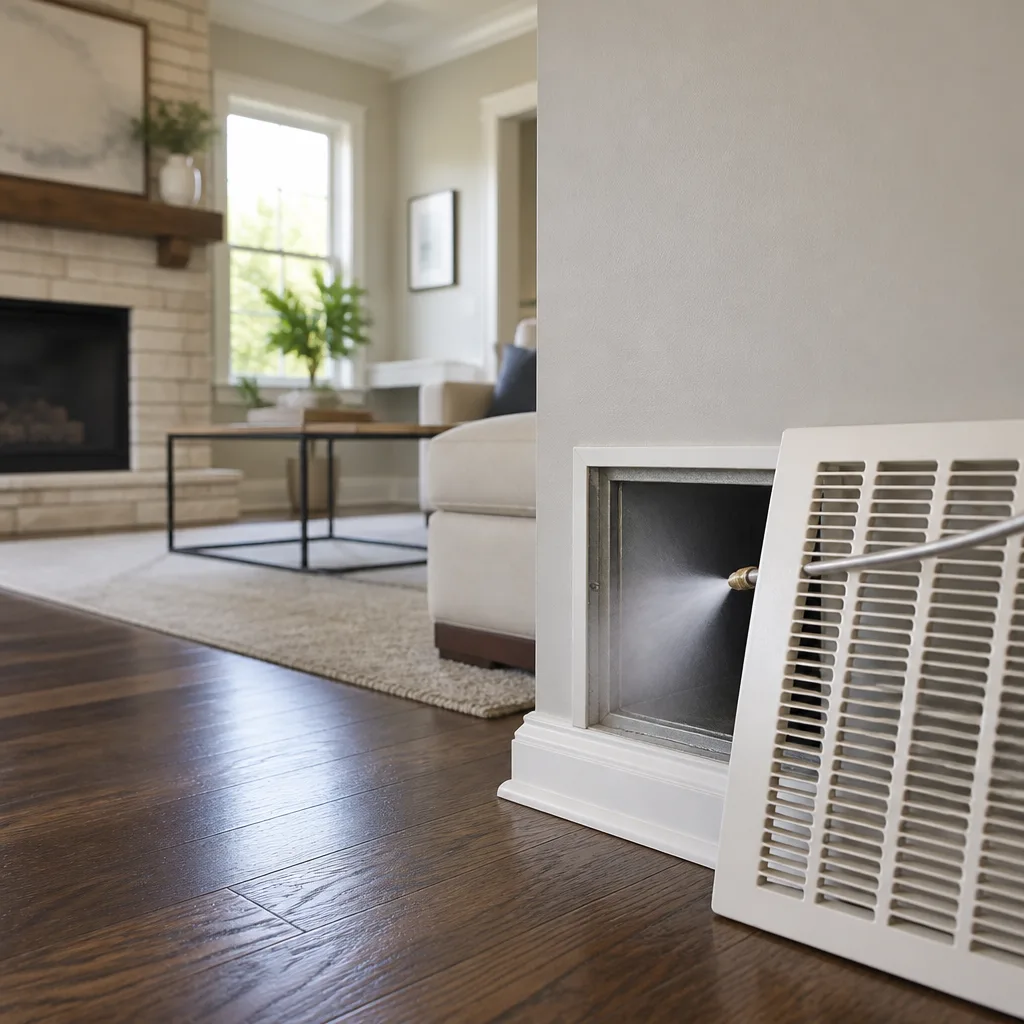 Sanitizing & deodorizing
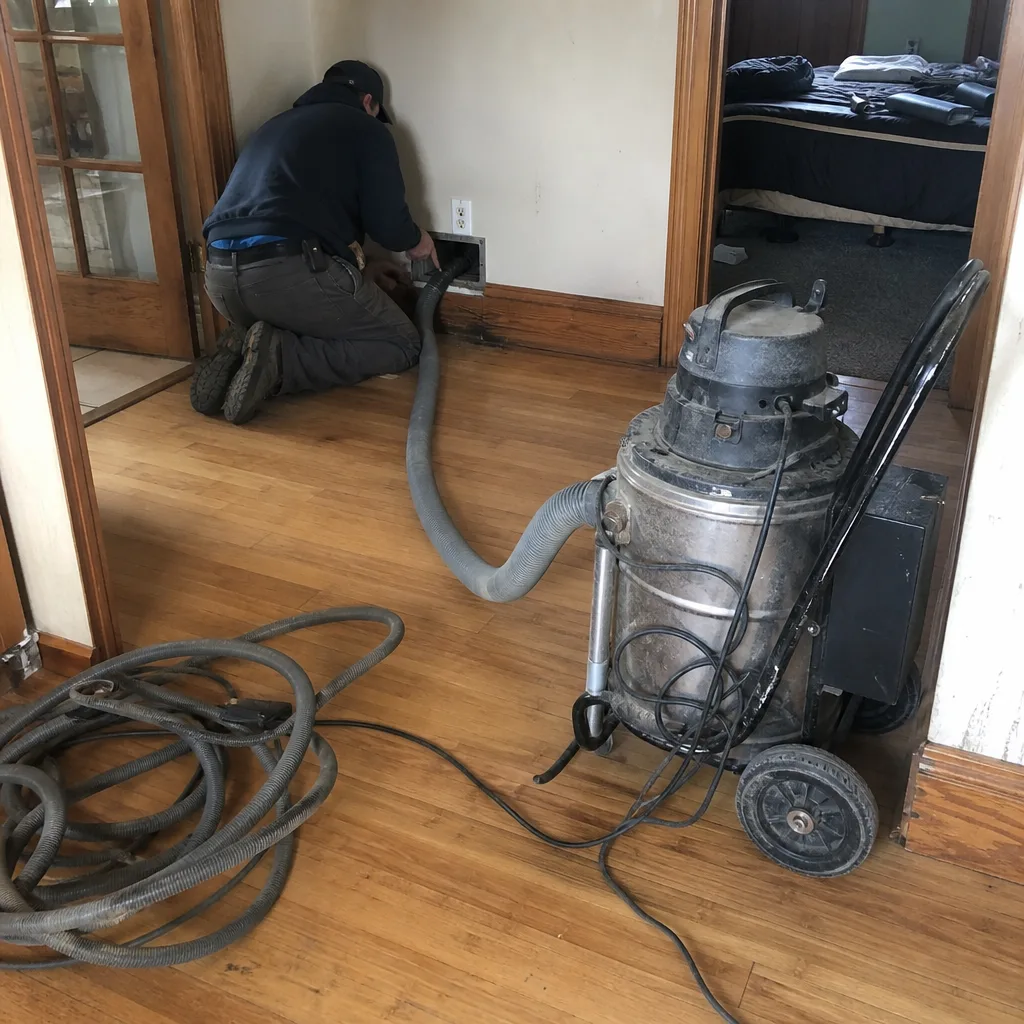
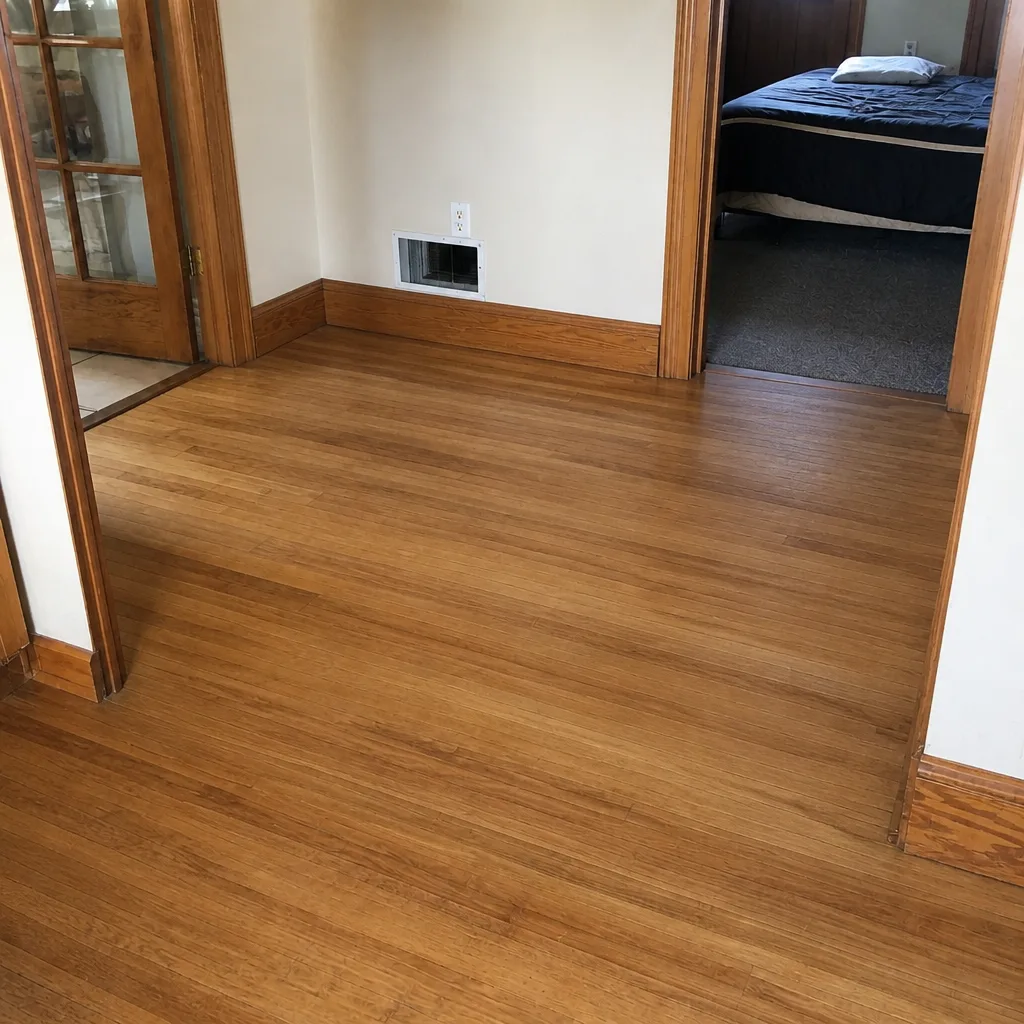
Whole-system duct and dryer vent check with before-and-after photos - you see exactly what came out of your vents
That "$99 whole-house special" is a bait ad - the real number appears once they are in your hallway, or the "clean" is a shop-vac at the register. We photograph the inside of your ducts before and after instead.
The Complete Guide to Air Duct Cleaning in Providence
Most duct-cleaning advice you’ll read online was written for a house built in 1995 with a heat pump and sealed flex duct. That’s not Providence. More than 60% of Providence’s housing units went up before 1970, which means most local duct systems were designed around fuel-oil furnaces, have rarely if ever been pressure-tested, and can carry debris layers older than the person living there now. Coastal humidity on top of that, plus decades of oil-to-gas conversions, creates contamination profiles that a generic “connect a vacuum and go” cleaning simply doesn’t address. This guide maps what professional air duct cleaning actually involves in Providence’s older homes, what equipment matters and why, and how you can verify the work was done before the technician packs up.
Styles & brands we work with
- Whole-home duct cleaning
- Dryer vent cleaning
- Camera inspection
- Sanitizing & deodorizing
Quick Answer
Professional air duct cleaning in Providence uses negative-pressure containment plus mechanical contact cleaning to remove built-up debris from supply and return ductwork, then HEPA filtration to keep the cleaned zones from being re-contaminated during the job. In older Providence homes, the cleaning also has to account for soot residue from oil-to-gas furnace conversions, galvanized duct corrosion, and duct runs that share wall cavities with living space in triple-deckers. A proper job leaves you with before-and-after photos of your own system and a technician who can tell you what was found and whether anything needs repair.
Table of Contents
- Why Providence Ductwork Is Different From the Generic Advice
- What’s Actually Inside Older Providence Ducts
- Rotobrush Contact Cleaning vs. Simple Air-Whip Cleaning
- Why Nikro Negative-Pressure Containment Matters in Triple-Deckers
- Abatement Technologies HEPA Filtration and Preventing Re-Contamination
- The Full Cleaning Process, Step by Step
- What Happens When the Cleaning Reveals Duct Damage
- A Post-Cleaning Checklist Before the Technician Leaves
- Common Mistakes to Avoid
- When to Call a Professional
- Frequently Asked Questions
Why Providence Ductwork Is Different From the Generic Advice
Walk through most Providence neighborhoods – the triple-deckers of Federal Hill and Smith Hill, the older single-families off Elmwood, the century homes in Fox Point – and the duct system you find was rarely designed as a sealed, balanced pressure system. It grew. A furnace was swapped, a room was added, a duct was extended in galvanized sheet metal and never insulated. That history is what makes the cleaning more demanding here than in a newer subdivision.
Three local factors drive the work:
- Oil-to-gas conversions. When a fuel-oil furnace is replaced with gas, some combustion byproducts and soot residue can settle into the return-side ductwork and plenum. Gas systems burn cleaner, so the residue often goes undetected until a thorough cleaning loosens it.
- Galvanized duct age. Original galvanized ductwork develops surface corrosion and pitting over decades. Pitted surfaces hold debris that a light vacuum pass won’t lift.
- Shared wall cavities. In triple-deckers, duct runs frequently pass through chases and cavities that touch living space on multiple floors. If a cleaning job doesn’t contain the debris, the debris ends up in the air of the unit next door.
Providence’s humid summers then trap moisture in that debris, which is why the buildup here can smell musty in a way a drier climate wouldn’t produce. The result is that duct cleaning in Providence isn’t a nice-to-have refresh. It’s a mechanical job that has to match the housing stock.
What’s Actually Inside Older Providence Ducts
Open a return in a pre-1970 Providence home and the layer you find is rarely uniform dust. It’s usually stratified. A loose grey dust layer on top, an older compacted crust beneath it, sometimes soot-dark material near the plenum, sometimes a fine metal-oxide grit where galvanized steel has been reacting with moisture for decades. Each layer needs to be broken up mechanically, not just pulled by suction.
Here’s the profile we look for in homes of that era:
- Soot migration from oil-to-gas conversions. Soot darkens the return-side sheets and the plenum. It’s fine, it migrates, and a light vacuum pass tends to push it around rather than remove it.
- Asbestos-wrapped plenums. Some plenum connections in older Providence homes were wrapped in materials that may contain asbestos. We don’t disturb or tear into these – the correct approach is to assess, contain, and in many cases recommend an asbestos professional handle it before cleaning resumes.
- Galvanized corrosion and pitting. Corroded surfaces hold debris in the pits. Contact cleaning, described below, is the only reliable way to lift it.
- Renovation debris. Drywall dust, sawdust, and construction grit from a kitchen or bathroom remodel that was never sealed off from the return side.
If you’re unsure what your own system holds, the assessment is the first real step of any job. We explain what we find before the cleaning begins. That’s also when we take the before photos.
Rotobrush Contact Cleaning vs. Simple Air-Whip Cleaning
The biggest difference between a thorough duct cleaning and a fast, cheap one is whether the debris is actually contacted by a mechanical tool or merely blasted with air. An air-whip loosens surface dust and pushes it toward a vacuum, which works on light buildup but leaves compacted or pitted-in debris behind. Rotobrush contact cleaning systems go further: they drive a rotating brush through the duct so the brush physically removes the layer, while a simultaneous vacuum pulls the loosened material out. On galvanized ductwork with 40+ years of buildup, that’s the difference between a cleaning and a quick pass.
You can see it in before-and-after photos. Air-whip-only work usually shows removal of the top grey layer, with darker material still visible in the corners and pits. Contact cleaning shows the duct sheet itself – the original metal, with corrosion but no remaining debris layer.
The same principle applies to dryer vents. We offer dryer vent cleaning alongside duct work because lint accumulation in the exhaust line is a leading cause of house fires, and it isn’t solved by a quick shop-vac snaked up the wall. Contact cleaning plus flow verification is the safer standard.
Why Nikro Negative-Pressure Containment Matters in Triple-Deckers
In a single-family home with a basement air handler, duct cleaning debris has somewhere to go. In a Providence triple-decker, it can end up in a neighbor’s kitchen if the job isn’t contained. Negative-pressure containment means drawing the entire duct system into a sealed vacuum state before any cleaning starts, so loosened debris moves into the collection equipment instead of drifting out of return grilles into living space.
Nikro negative-pressure machines are the tool we use for that. They hold the system at a continuous vacuum, which does three things:
- Sets the containment. Grilles and open ends are sealed, and the machine pulls air steadily inward toward the collection point.
- Directs the debris path. Every tool we run inside the duct is working against that pressure, so loosened material always moves toward the machine.
- Allows continuous cleaning across connected units. When a duct run passes through a shared cavity, the vacuum holds the whole system contained instead of letting one unit’s debris become another unit’s air quality issue.
This is the single step most often skipped by cut-rate duct cleaners, and it’s the one that matters most in dense, older Providence housing. If you’re a property manager responsible for multiple units, containment isn’t optional. It protects the whole building, not just the unit being cleaned.
Abatement Technologies HEPA Filtration and Preventing Re-Contamination
Containment alone isn’t enough. The air being exhausted by the negative-pressure machine has to be filtered before it goes back into the room, or the finest particles – the ones that stay airborne for hours and are the main concern for allergy sufferers – just get redistributed. Abatement Technologies HEPA filtration equipment handles that final step.
HEPA filtration matters most in three situations in Providence homes:
- Allergy or respiratory households. Fine particulate is the reason most people book the cleaning in the first place. Redistributing it during the job would defeat the purpose.
- Post-renovation situations. After a kitchen or bathroom remodel, the duct system can hold fine drywall dust for months. HEPA-level exhaust keeps that out of the ambient air as it’s pulled out.
- Older homes with asbestos risk. When there’s any question about friable materials near the plenum, HEPA filtration is an extra guardrail while the material is assessed. It doesn’t replace an asbestos professional, but it does reduce the risk of circulation during the visit.
Filtration is also where the cleaning turns into a longer-term air quality conversation. Once the duct system is clean and contained, we can recommend filtration upgrades using Honeywell or Aprilaire products – media filters and air cleaners that keep the next five years of buildup from being as heavy as the last twenty. That’s not a required add-on. It’s an option we’ll explain if the system’s existing filtration is clearly undersized for the home.
The Full Cleaning Process, Step by Step
Here’s how a professional cleaning of an older Providence duct system actually runs, in order. Every step matters, because skipping one defeats the purpose of the others.
- Inspection and system mapping. Locate every supply and return, identify the air handler, and map the duct layout. In older homes this reveals surprises – extensions, disconnected runs, or prior DIY work that needs flagging before cleaning.
- Before photos. Photographs of the duct interior at the plenum and in at least one representative supply run. This is your baseline for the post-cleaning check.
- Containment setup. Seal every grille and open end. Connect the Nikro negative-pressure machine to hold the system at vacuum.
- HEPA exhaust routing. Attach Abatement Technologies HEPA filtration to the exhaust side so the machine’s output is filtered before releasing into the room.
- Contact cleaning. Run the Rotobrush system through every supply and return run, including the plenum. The rotating brush loosens debris while the vacuum removes it.
- Air handler and coil assessment. Check the blower and evaporator coil while the containment is still up. Debris that accumulates on the coil is often the real cause of restricted airflow, and it needs its own cleaning pass.
- Duct repair assessment. Look for disconnected joints, crushed sections, unsealed gaps, and corrosion holes. Cleaning a leaking system just means the debris comes back. We find what’s wrong and fix it on the same visit where possible.
- Filtration check. Inspect the existing filter housing. If it’s undersized for the system, note the options – Honeywell or Aprilaire media filters are the common upgrades.
- After photos. Photographs at the same locations as the before photos, for comparison.
- Walkthrough. Show you the before-and-after photos, explain what was found, and confirm the containment is removed cleanly and the system is returned to normal operation.
That’s the whole arc. If a company can’t describe this sequence to you before they arrive, they’re not running it. For more detail on individual services, our air duct cleaning page breaks out the residential scope.
What Happens When the Cleaning Reveals Duct Damage
Older Providence ductwork often has problems a cleaning alone can’t fix. Common findings in homes of that era:
- Disconnected joints. Where a prior HVAC replacement left a supply line unscrewed or untaped, the system pulls attic or cavity air into the living space instead of conditioned air.
- Crushed sections. Galvanized duct that was stepped on during a renovation or crushed behind a finished wall.
- Corrosion holes. Pinholes and small openings from decades of moisture contact, especially near the plenum.
- Unsealed seams. Common in older installs; a sealed system holds pressure and doesn’t draw debris back in.
That’s why we treat duct repair as a core service, not an upsell. Cleaning a leaking system just means you pay for it twice. When we can, we repair joints, seal seams, and reconnect runs during the same visit. If the repair scope is bigger than that, we’ll quote it separately so the pricing stays clear and written. Our duct cleaning in Providence page outlines the combined offering.
A Post-Cleaning Checklist Before the Technician Leaves
The best protection against a job that “looks done” but isn’t is to verify the work before the technician packs up. Use this checklist for your own visit:
- Before-and-after photos. Ask to see photos taken at the same location, ideally the plenum and at least one supply run. The difference should be visible, not described.
- Containment still up when you check. If the HEPA machine is already packed away, ask why the final photos were taken.
- Every grille accounted for. Ask the technician to confirm each return and supply was cleaned. In a home with additions, missing a run is easy.
- Blower and coil inspected. Even if the coil was clean, the inspection should be documented.
- Airflow check. Turn the system on and confirm airflow at the farthest supply is at least as strong as before, ideally stronger.
- Odor check. Any musty smell should be visibly reduced within a day. If not, call the company back – a clean system shouldn’t smell.
- Written summary. Ask for a summary of what was found, what was cleaned, and what was flagged for repair. In a multi-unit building, this is what you show the landlord or property manager.
If a technician can’t walk you through that list on site, that’s information worth having.
Common Mistakes to Avoid
- Hiring on the lowest quote alone. In Providence, sub-$200 “whole house” quotes usually mean no HEPA containment, no contact cleaning, and no before-and-after photos. Two sentences later you’ll be told the job needs $800 of add-ons.
- Skipping containment in a triple-decker. A job without negative pressure can push decades of debris into a neighbor’s kitchen. Confirm containment upfront – especially when duct runs share wall cavities.
- Cleaning a leaking system. Disconnected joints and crushed sections pull unconditioned air into the system. If it isn’t repaired before or during the job, the debris comes back fast.
- Ignoring the dryer vent. The same house often has a lint-packed dryer exhaust line the technician should visibly inspect. Duct cleaning and dryer vent cleaning belong in the same visit because the same equipment and containment are already set up.
- Disturbing wrapped plenums without assessment. If a plenum connection is wrapped in older material that may contain asbestos, a proper job assesses before disturbing. Don’t let a cheap cleaner tear through it.
- Assuming one visit fixes everything. A pre-1970 Providence home with heavy soot or renovation debris may benefit from a follow-up inspection a year or two later. Honest providers will tell you that up front.
When to Call a Professional
You need a professional cleaning if any of these apply to your Providence home: visible debris blowing out of a supply grille, a musty smell that returns to the rooms within a day of dusting, a recent renovation that wasn’t sealed off from the return side, a furnace that was recently converted from oil to gas, an aging HVAC system you don’t have service records for, or a dryer that takes noticeably longer to dry a load than it used to. If you manage a property and a tenant has reported airflow drops or allergy complaints in a shared-duct building, that’s also a call. Call Providence‘s Duct Cleaning Providence team at (844) 542-8739 for a free estimate, and we’ll walk through what a cleaning would cover for your specific system.
Frequently Asked Questions
Whole-system air duct cleaning in Providence typically runs on a per-system estimate that depends on the number of supply and return runs, the amount of buildup, and whether repairs or dryer vent cleaning are included. Old triple-deckers with heavy soot or a recent renovation will land higher than a small single-family home with light dust. We give you a written estimate before any work starts, so the price is fixed and the final invoice matches the estimate. Call (844) 542-8739 for a free estimate.
Because they’re not doing the same job. A low quote usually means no negative-pressure containment, no HEPA exhaust filtration, no contact cleaning with a Rotobrush-style system, and no before-and-after photos. What looks like a bargain up front often becomes a much larger invoice once the technician is on site and adds “recommended” services. The written estimate protects you from that pattern. Ask for containment and photos upfront, and call (844) 542-8739 if you’d like a comparison.
Before-and-after photos of your own ducts, taken at the same location, are the simplest proof. Any professional cleaning should also leave you with a walkthrough of what was found, what was cleaned, and what was flagged for repair. If a technician can’t produce those photos on site, you have your answer. Call (844) 542-8739 to schedule an estimate and we’ll explain exactly how we document the work.
In a newer home with a sealed system and a properly sized filter, every five to seven years is often enough. In a pre-1970 Providence home with an oil-to-gas conversion, a recent renovation, or visible soot near the plenum, the interval is shorter – sometimes three to five years, sometimes a follow-up inspection at one year if buildup was heavy. The right answer comes from looking at your actual ductwork, not from a general rule. Call (844) 542-8739 to book an inspection.
No. Equipment is the main difference between a real cleaning and a quick pass. We use Rotobrush contact-cleaning systems, Nikro negative-pressure machines, and Abatement Technologies HEPA containment – professional-grade tools that do the physical work required for older Providence ductwork. Many short-quote services are running consumer-grade vacuums and an air-whip. Ask what equipment will be on site before you book. Call (844) 542-8739 to discuss what your system needs.
Cleaning alone can’t, but on-site repair often can. Loose joints, crushed sections, unsealed seams, and small corrosion holes are common in older Providence homes and can often be repaired during the same visit that the cleaning happens. If the repair scope is larger, we quote it separately in writing. Cleaning a leaking system without repairing it just means the debris comes back. Call (844) 542-8739 to have the system assessed.
The Bottom Line
Duct cleaning in Providence isn’t the same job it is in newer housing stock, and a lot of the advice online doesn’t account for what’s actually inside these systems. Soot from oil-to-gas conversions, galvanized corrosion, wrapped plenums that need assessment, and shared-wall duct runs in triple-deckers all change the requirements. Professional-grade tools – Rotobrush contact cleaning, Nikro negative-pressure containment, Abatement Technologies HEPA filtration – are what make the job reliable in this market. And a written estimate with before-and-after photos of your own system is what makes it verify. We clean it. We repair it. We improve it. Call Duct Cleaning Providence at (844) 542-8739 for a free estimate. We answer 24/7. Fast dispatch from 7am to 7pm, Sunday through Friday.
Written by the team at Duct Cleaning Providence.
See the difference
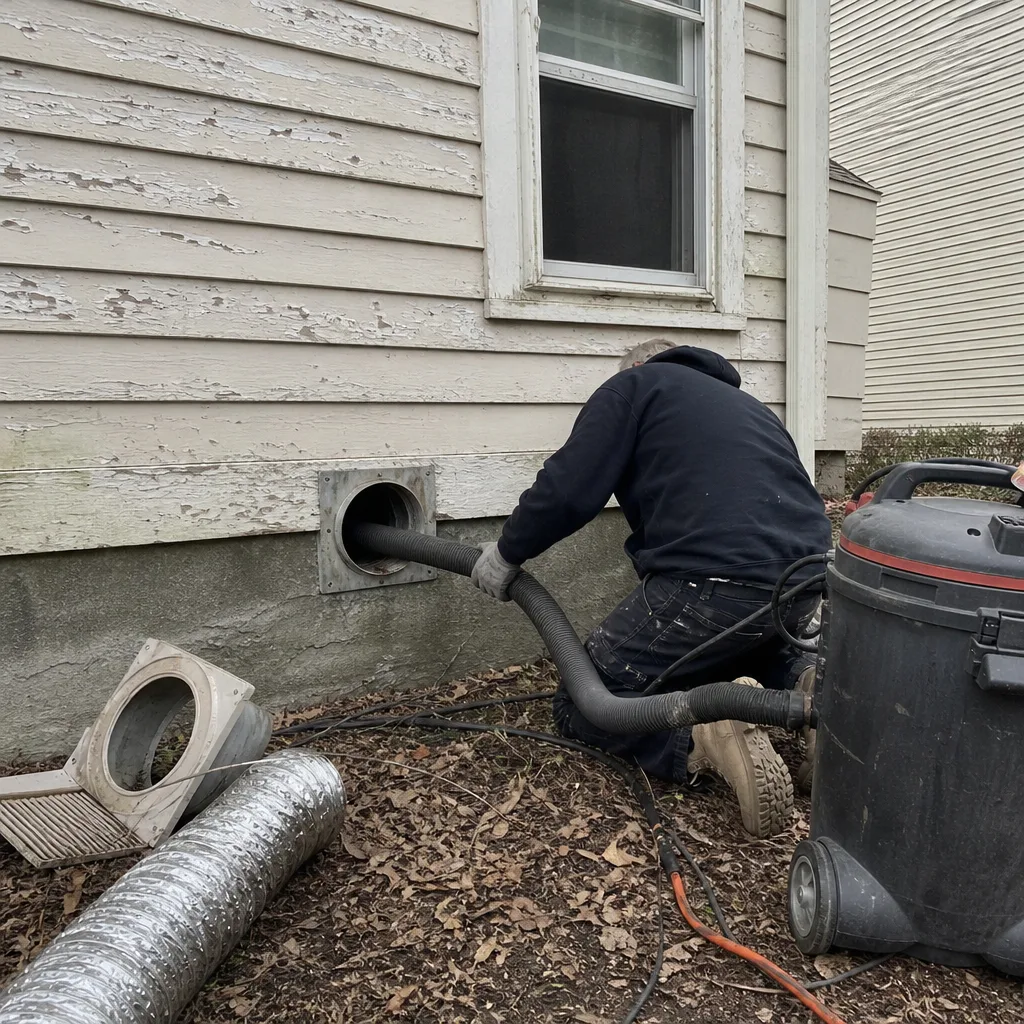 Before
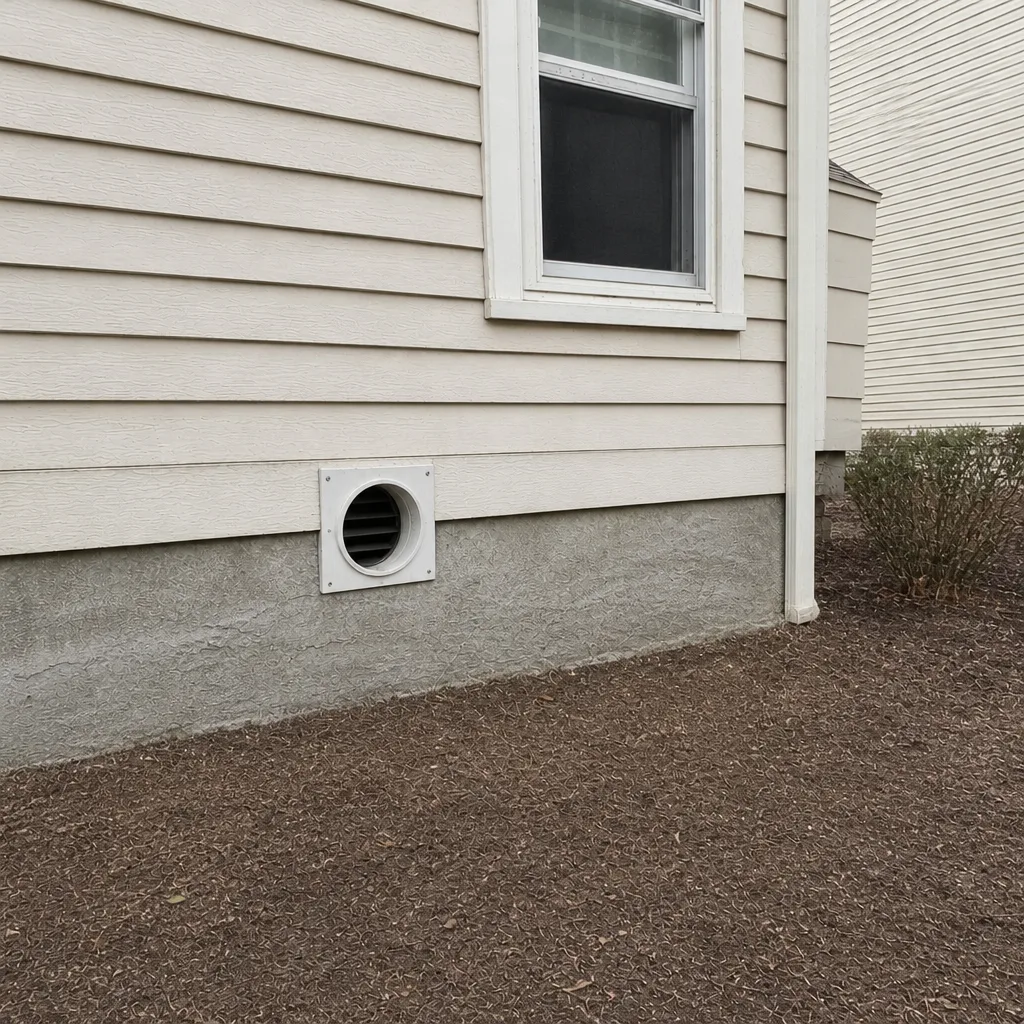 After
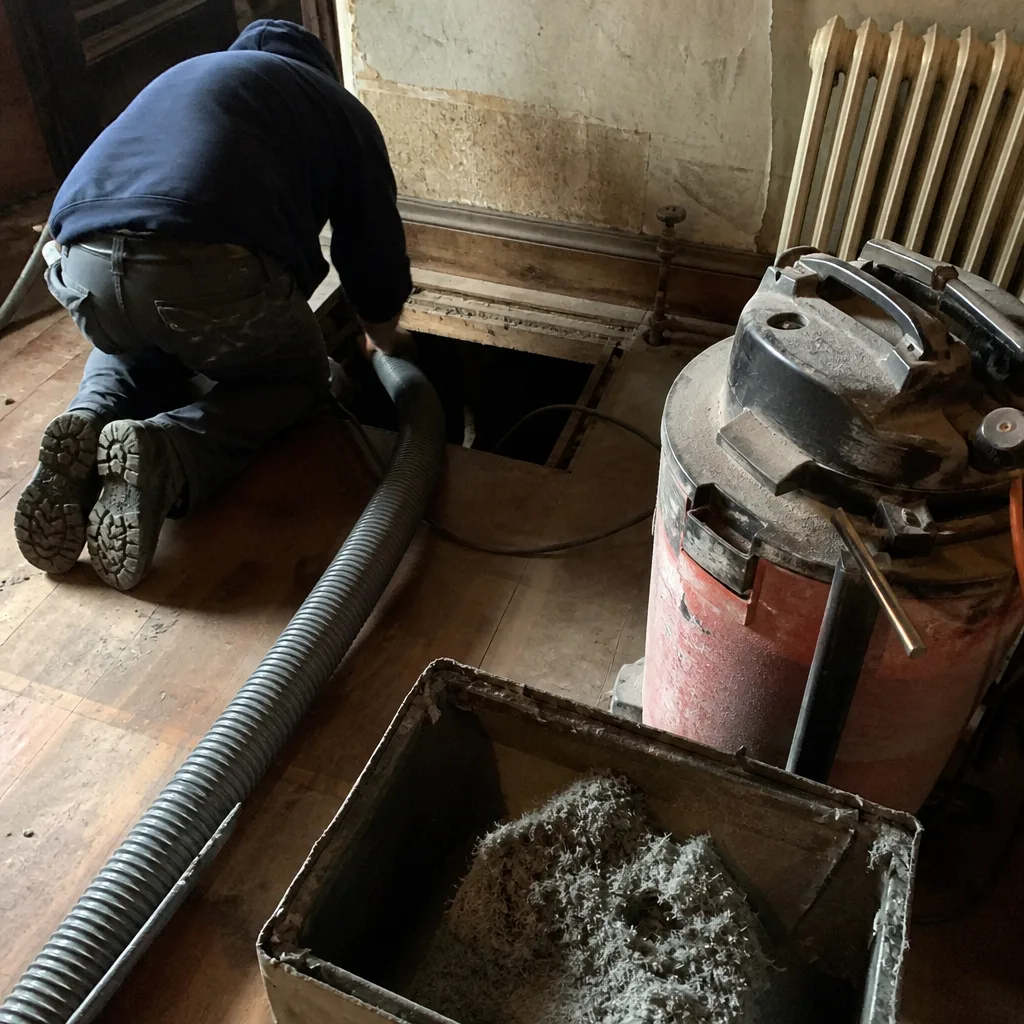 Before
 After
 Before
 After